
Finding the Stars: Planning a Multi-Night Camping View
October offers incredible visibility, but a successful night sky expedition requires more than just warm gear. This guide helps you track planets and meteor showers to build the perfect multi-night itinerary.
Written by David Rodgers — October 12, 2026
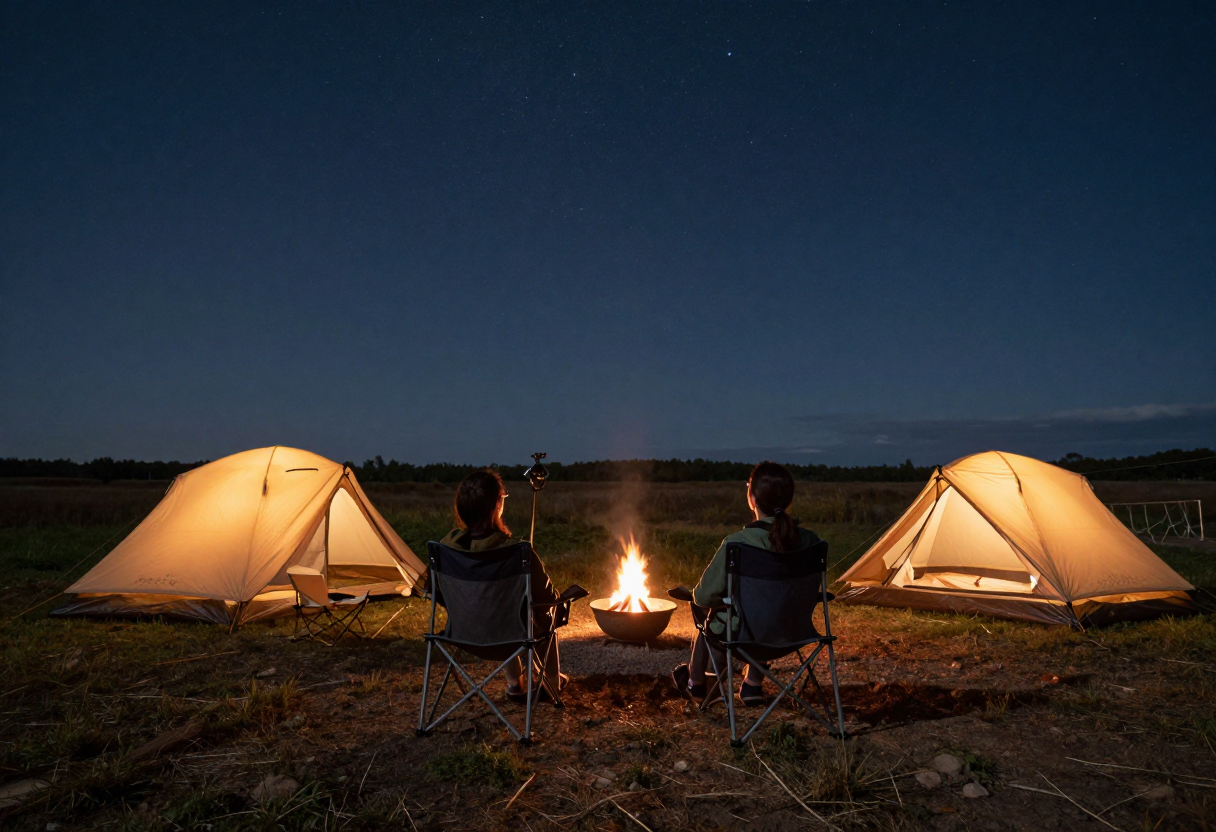
Starting with a Map, Not Just an App
If you’ve ever stood in your backyard and looked up at the stars using a phone app, it feels like magic—until you try to do it from a remote campsite where the terrain changes what you can actually see. I learned early on that while apps are great for identifying a planet once it's already in your field of vision, they don’t account for local geography or light pollution as effectively as a bit of pre-trip planning does.
When you are heading out for a multi-night trip, you need to think about the "viewing window" before you pack your gear. This means looking at where you plan to camp and identifying what sits on the horizon. A mountain range might block a rising planet, or a nearby highway could wash out the fainter stars. Planning isn't just about knowing what is in the sky; it’s about knowing what part of the sky you can actually see from your specific coordinates. Start by mapping out your intended site and identifying clear corridors for observation. This transition from "looking at an app" to "scouting a location" is what separates a frustrating night of squinting into the dark from a successful session of stargazing.
The Three Pillars of Night Sky Planning (Planets, Meteors, Moon)
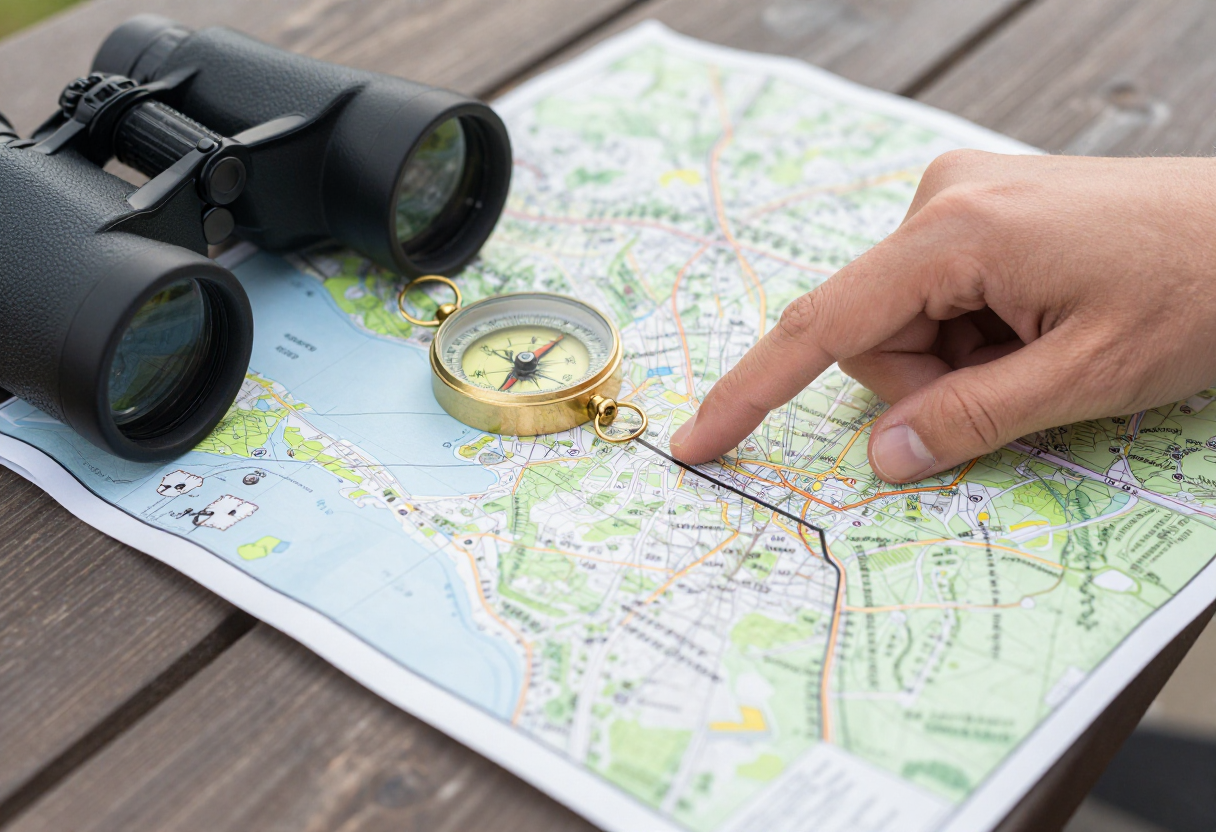
To plan an effective trip, you have to juggle three moving parts that often work against each other: planets, meteors, and the moon. Understanding how these three interact is the key to choosing the right dates for your excursion.
- Planets: These are your steady targets. They move slowly across the sky over weeks or months. If you want a guaranteed show of something bright like Jupiter or Mars, they are reliable regardless of many other factors.
- Meteors: These are time-sensitive events. Meteor showers happen in specific windows where debris from comets enters our atmosphere. You can't "wait" for them to appear; you have to be there when the peak hits.
- The Moon: This is your primary obstacle or ally. A bright moon acts like a giant floodlight, washing out everything except the brightest objects.
When planning, these three often conflict. For example, a meteor shower occurring during a full moon will look significantly less impressive because the extra light makes it harder to spot the smaller streaks of burning debris. You have to decide what you value most for that specific trip and plan your dates accordingly.
Why the Moonlight Matters More Than You Think
One of the biggest mistakes I see beginners make is assuming that a "clear" night means a good night for stargazing. In reality, a clear sky with a full moon can be just as frustrating as a cloudy one if you are trying to see deep-sky objects like galaxies or distant nebulae. The moon’s light creates "light pollution" from above, making it difficult for your eyes to adjust to the darkness.
If your goal is to see the faint wisps of the Milky Way or dozens of smaller stars, you want a moonless night—ideally during a new moon phase. If you are only interested in finding and identifying planets, then a fuller moon is less of a dealbreaker, as those objects are bright enough to punch through the lunar glow. When I'm planning trips, I check the lunar calendar first. It dictates whether we spend the night looking for faint details or just tracking the major players. Knowing what you want to see before you leave home allows you to pick the right window of time so you aren't disappointed when you finally get out into the backcountry.
Making It Happen: Building Your Multi-Night Plan
Once you know your priorities, you can build a logical itinerary for your trip. If you are heading out for three nights, don’t just hope for the best; look at the calendar and find the overlap between what is available and when it is visible.
For example, if there is a major meteor shower in late October but it falls during a waxing moon, you might plan to spend your first night's observation focusing on planets (which are unaffected by moonlight) and save your "dark" nights for deep-sky viewing once the moon sets lower in the sky. If you want to catch a specific peak, like a meteor shower near a prominent planet, check both the astronomical calendars and the lunar cycle before booking your site or permits.
Try to align your most important goals with the best conditions:
- Primary Goal (e.g., Meteor Shower): Schedule this for the night with the least amount of moonlight.
- Secondary Goal (e.g., Galaxy Hunting): Schedule these during the "dark hours" when both the moon is down and you have a clear horizon.
By mapping out your goals against the lunar cycle, you create a roadmap that ensures every night spent in camp serves a purpose.
The Basics of Observing From Camp
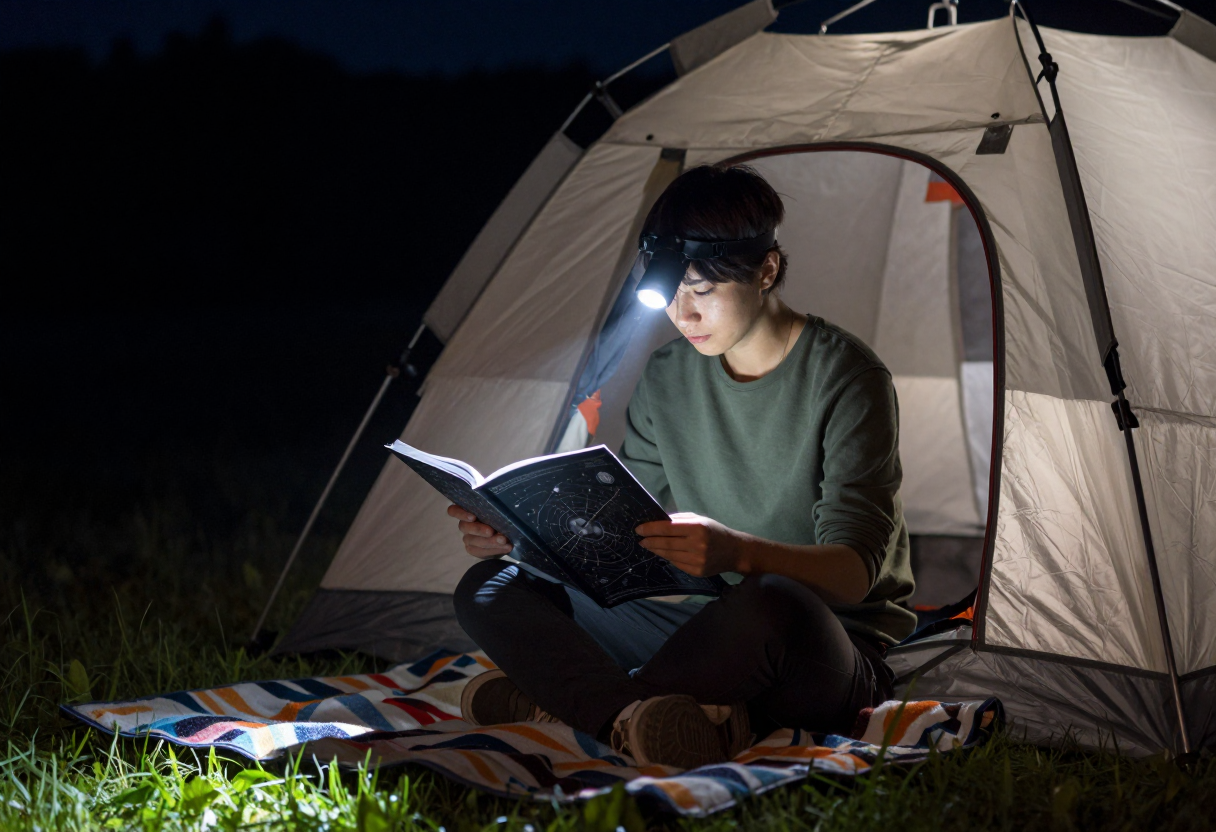
When you actually get to the campsite, the transition from planning to observing requires some practical discipline. You don't need an expensive telescope to enjoy the view; often, your eyes are your best tool, but they need help adjusting to the dark.
First, manage your light. If you use a standard white flashlight or even a phone screen, you will "blind" your night vision for several minutes. Use a headlamp with a red-light setting. Red light doesn't ruin your pupils' ability to see in the dark, and it allows you to move around camp without ruining the experience for others. Second, prioritize comfort; if you are shivering or uncomfortable, you won't want to sit still long enough to notice the smaller details of the sky.
Finally, stay put. It takes about 20 minutes for your eyes to fully adjust to a dark environment. If you keep moving and looking at bright objects, that clock resets. Find a comfortable chair or a flat spot on the ground, grab a warm drink, and give it time. For those planning to explore further into more remote areas, always check your state's official wildlife agency for local land use regulations and safety requirements before heading out.
Inspired by EarthSky.
About the Author
David Rodgers is the founder and writer behind Country Trailhead — a Marine Corps infantry veteran, Civil Air Patrol colonel, and Eagle Scout based in Oklahoma, drawing on decades of field-tested hunting, fishing, camping, and hiking experience. Read more about David and Country Trailhead →