
Finding the Lights: A Beginner's Stargazing Trip Plan
September is a great time to get back under clear skies. This guide walks you through what planets and constellations will be visible this month so your next trip doesn't end when the sun comes up.
Written by David Rodgers — September 15, 2026
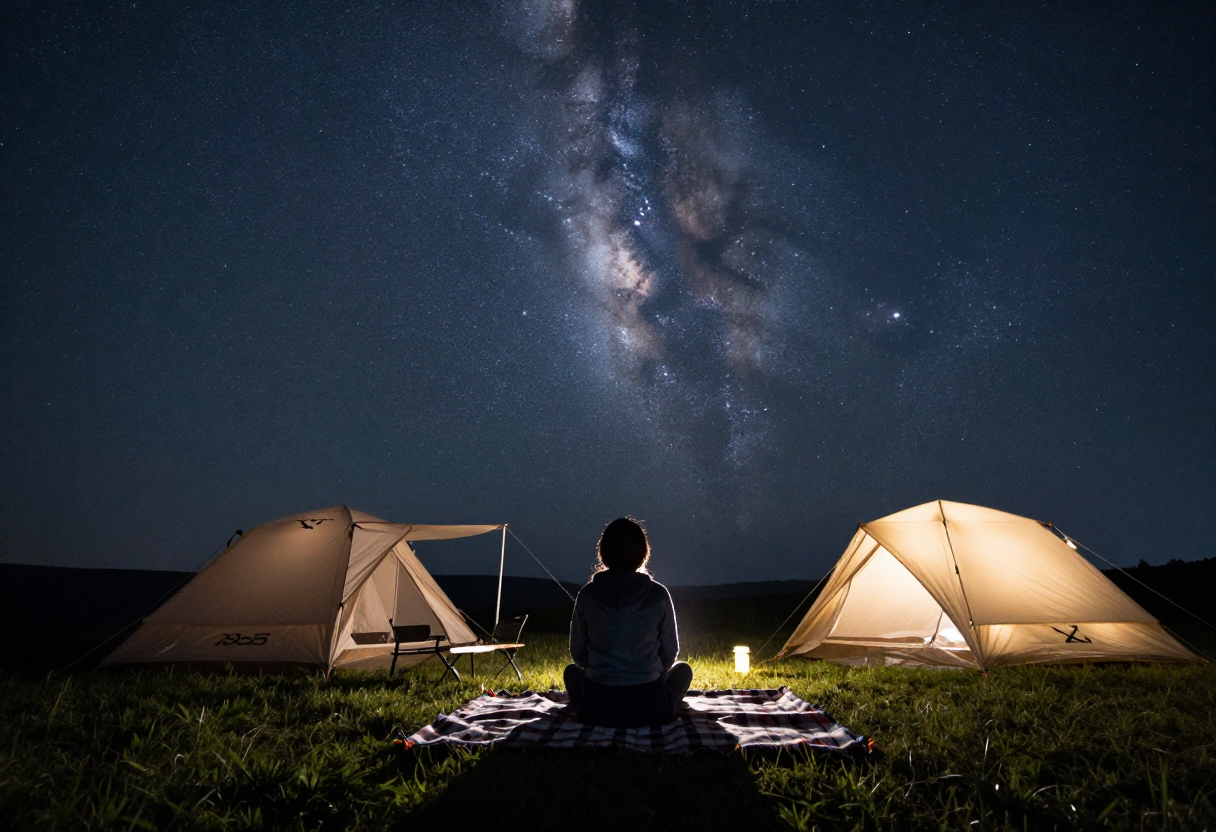
When you get there: Planning for visibility
Before you even pack your gear, you have to decide where and when you’re actually going to look up. A common mistake I see beginners make is assuming they can get a good view of the stars from their own backyard or a local park. While it's nice to step outside at night, light pollution from streetlights and neighboring homes creates enough "glow" to wash out everything but the brightest objects. If you want a real look at the sky, you need to travel further away from urban centers into areas with darker horizons.
Once you find a remote spot, timing becomes your next hurdle. You have to consider both weather conditions—like humidity or high-altitude haze which can blur distant stars—and the moon's position. A full moon provides beautiful light for hiking, but it acts like a floodlight in the sky, making it hard to see the fainter constellations. I recommend checking local forecasts and lunar cycles before you head out. Give yourself enough time to settle into your campsite and let your eyes adjust to the dark; about 15 minutes of waiting allows your pupils to dilate fully, which makes a massive difference in what you can actually see.
The Three-Part Sky Plan (Planets, Moon, Stars)
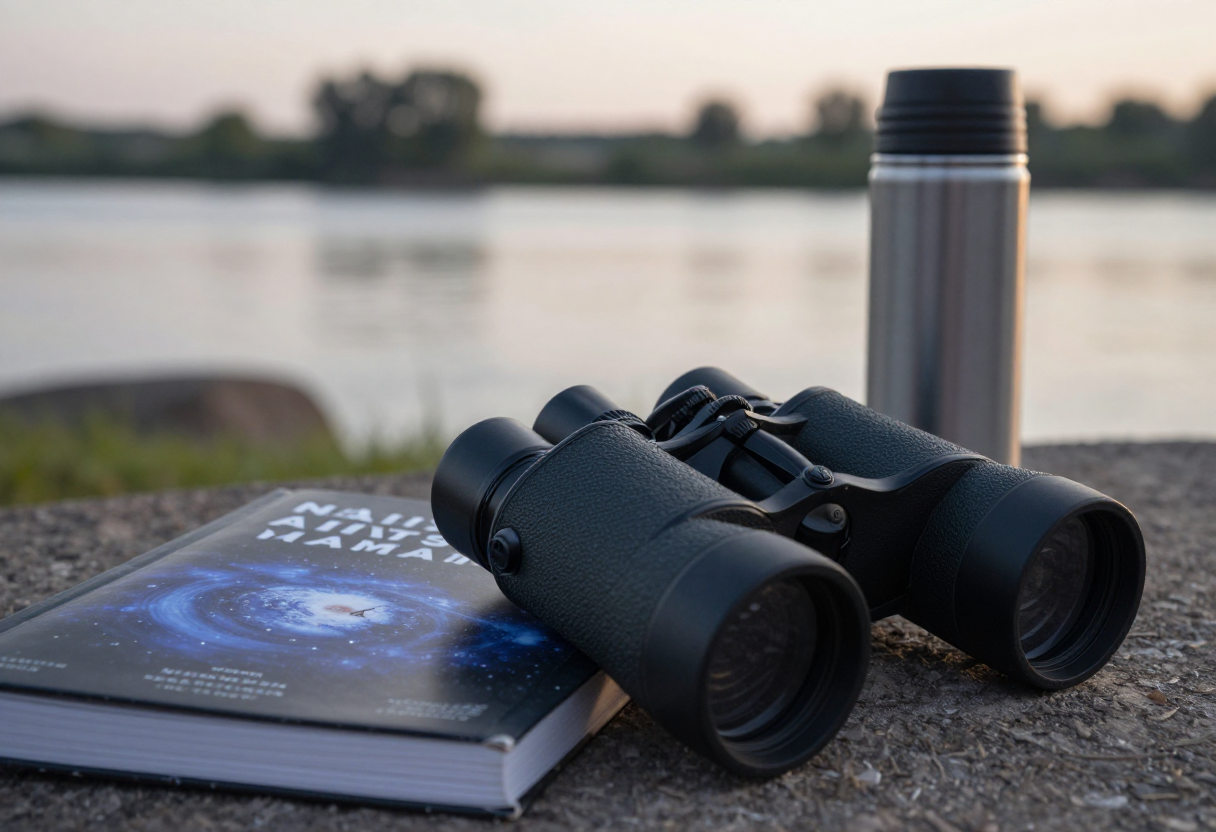
The night sky can feel overwhelming because there is so much going on at once. To keep it manageable, I find it helpful to break the sky down into three distinct categories: planets, the moon, and stars/constellations. Thinking of them this way helps you prioritize what to look for first.
- Planets: These are often your best friends as beginners. Unlike many stars, planets usually appear as steady, bright points of light that don't "twinkle" as much. They stay in relatively consistent positions throughout the night and serve as excellent anchors for your eyes.
- The Moon: While beautiful, the moon is a double-edged sword. It provides navigation by day, but at night, it dictates how many stars you can see. On a crescent night, the sky is wide open; on a full moon, much of the fainter detail disappears.
- Stars and Constellations: These are your map markers. While there are millions of them, we group them into familiar shapes (constellations) to make navigation easier. Once you identify one major constellation, it provides a frame of reference for everything else nearby.
How to actually find it all (The Field Test)
Finding things in the sky is very similar to land navigation; you start with what you know and move toward what you don't. Don’t try to find a tiny, dim star immediately. Start by identifying the "big" stuff—the moon or a prominent planet like Jupiter or Mars. These act as your primary landmarks.
Once you have a bright point of reference, use them to "hop" to nearby constellations. For example, if you can see a large, recognizable shape like the Big Dipper (Ursa Major), you can use its position to find others near it. It’s about building a mental map of the sky. I recommend picking one or two "anchor points" each night before you leave your house. If you know exactly where those two objects are in relation to each other, finding everything else becomes much simpler. Practice this on a clear night in your backyard first; it's much easier to learn the layout when you aren't worried about where you’re pitching your tent or managing your campfire gear.
Stargazing isn't a replacement for good hiking
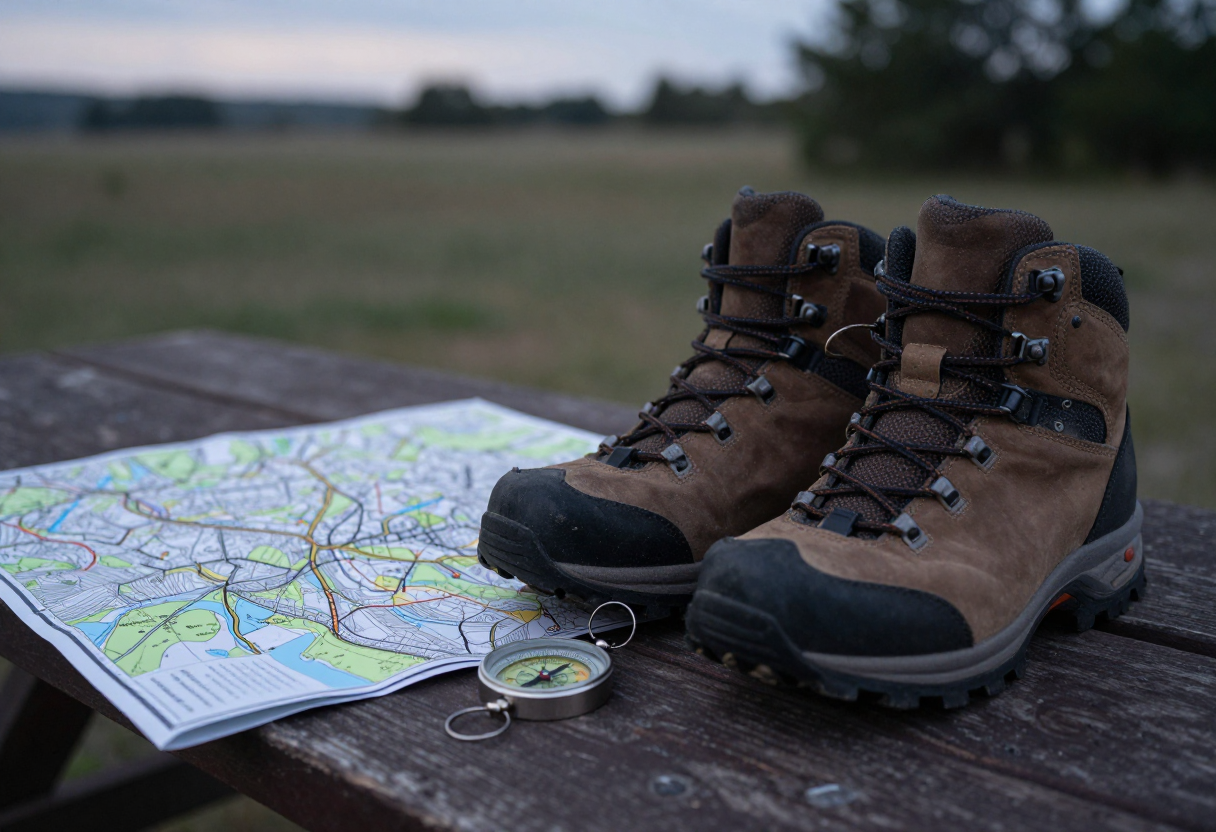
It is easy to get so caught up in looking upward that you forget what’s happening on the ground. While stargazing is a rewarding way to spend an evening, it should be viewed as a component of your overall outdoor literacy—not a substitute for fundamental skills like navigation and situational awareness.
In my experience with search-and-rescue and land navigation, the most important skill you can have is observation. Stargazing trains your eyes to notice detail and patterns in the environment around you. However, when you are out on a trail or at a campsite, your primary responsibility is your immediate safety. This means maintaining your orientation on the ground, being aware of local terrain hazards, and following all standard safety protocols for fire and wildlife. If you want to get into more advanced navigation, I recommend looking into how celestial bodies were historically used for positioning before GPS became common. Just remember that while a clear view of the stars is a great luxury, your ability to navigate the terrain beneath your feet remains the priority. For specific rules regarding fires or land use in your area, always check with your state's official wildlife agency.
Inspired by EarthSky.
About the Author
David Rodgers is the founder and writer behind Country Trailhead — a Marine Corps infantry veteran, Civil Air Patrol colonel, and Eagle Scout based in Oklahoma, drawing on decades of field-tested hunting, fishing, camping, and hiking experience. Read more about David and Country Trailhead →