Finding Solitude: Camping Where the Crowd Isn't Looking
Skip the shoulder-to-shoulder crowds of peak fall foliage season by focusing on micro-seasonal natural attractions like fungi and mosses. This guide helps you plan a deeper, quieter trip into nature's overlooked details.
Written by David Rodgers — October 18, 2026
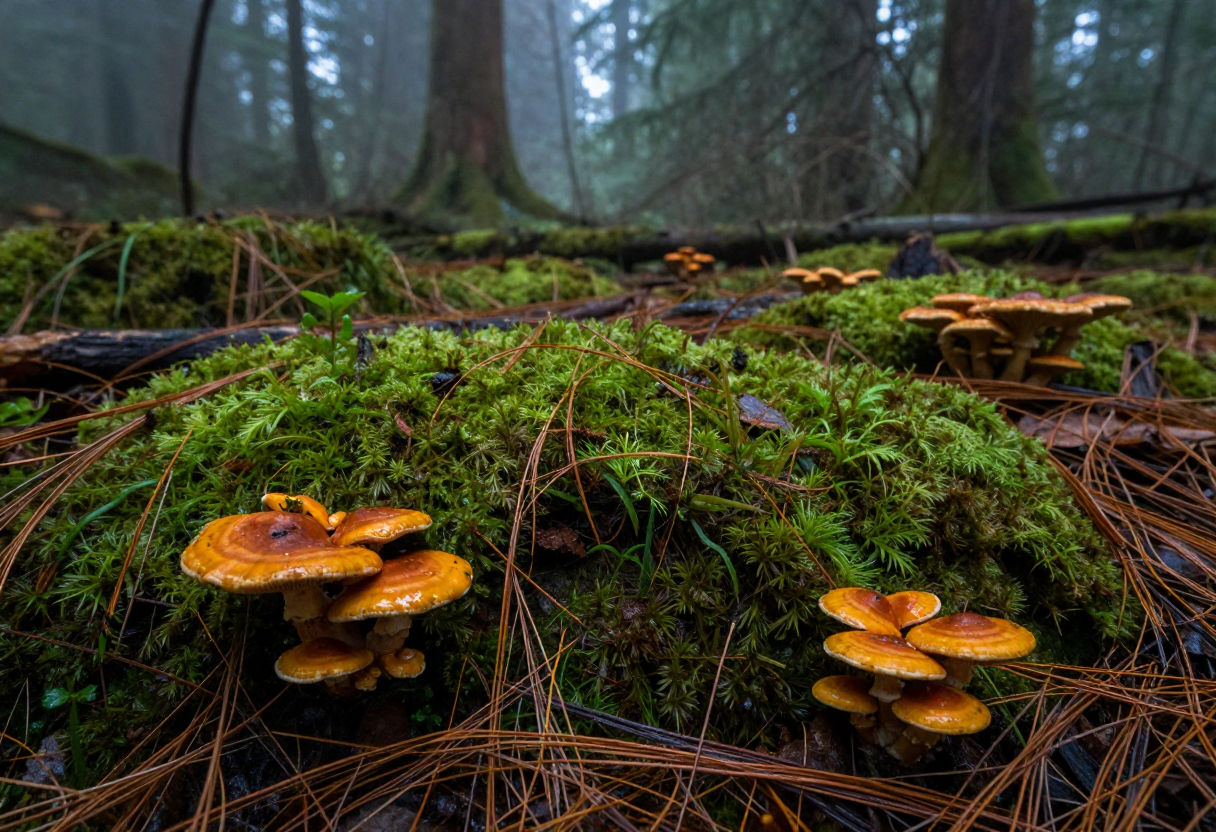
When the leaves are too crowded: Finding fall's hidden spots
If you have ever tried to visit a popular state park during peak leaf-peeping season, you know exactly what I mean by "crowded." You aren't just sharing the trail; you’re competing for parking spaces and trying to find a quiet spot to sit without hearing someone else’s camera shutter. There is something special about the autumn colors, but there is also something equally rewarding in finding beauty that doesn't require a crowd to validate it.
Instead of chasing the massive crowds toward the well-known vistas, I suggest looking down at what’s beneath your feet or zooming in on smaller details. Mushroom foraging and observing seasonal mosses offer a way to engage with the forest floor during those cooler months. These "micro-seasons" provide interest that lasts longer than a few weeks of changing leaves. When you focus on specific, localized natural features rather than broad scenic vistas, you find yourself moving at your own pace in spaces that feel much more private and intentional.
Foraging 101: The golden rule of fungi (and how deadly it is to ignore them)
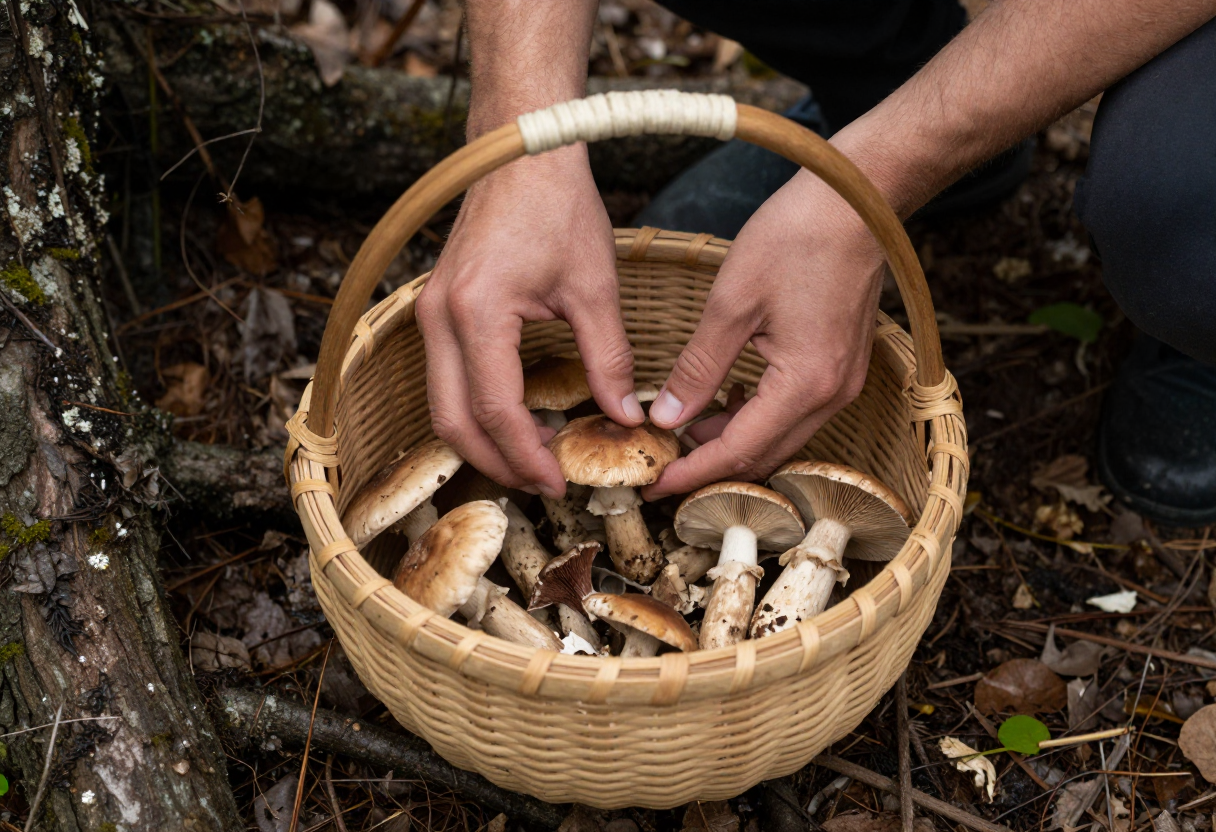
I want to be very clear here because the stakes are high with foraging: never eat anything unless you are 100% certain of its identification. I’m not talking about "it looks like a morel" or "I think this is safe." In my experience, many beginners—myself included at one point—get overconfident too quickly because they see something that looks edible and want to try it out.
The golden rule is simple: if there is even a shadow of a doubt, leave it alone. Some mushrooms are not just unpalatable; they are toxic enough to cause severe illness or death. Unless you have spent significant time studying local species or are working with an expert in your specific region, stick to the "don't touch" rule for anything you aren't certain of. For those who want to start learning properly, I recommend starting by just identifying what is out there without any intention of consumption. Build your knowledge base first; your safety depends entirely on that fact.
Beyond the main trail: Planning a quiet, self-sufficient overnight camp
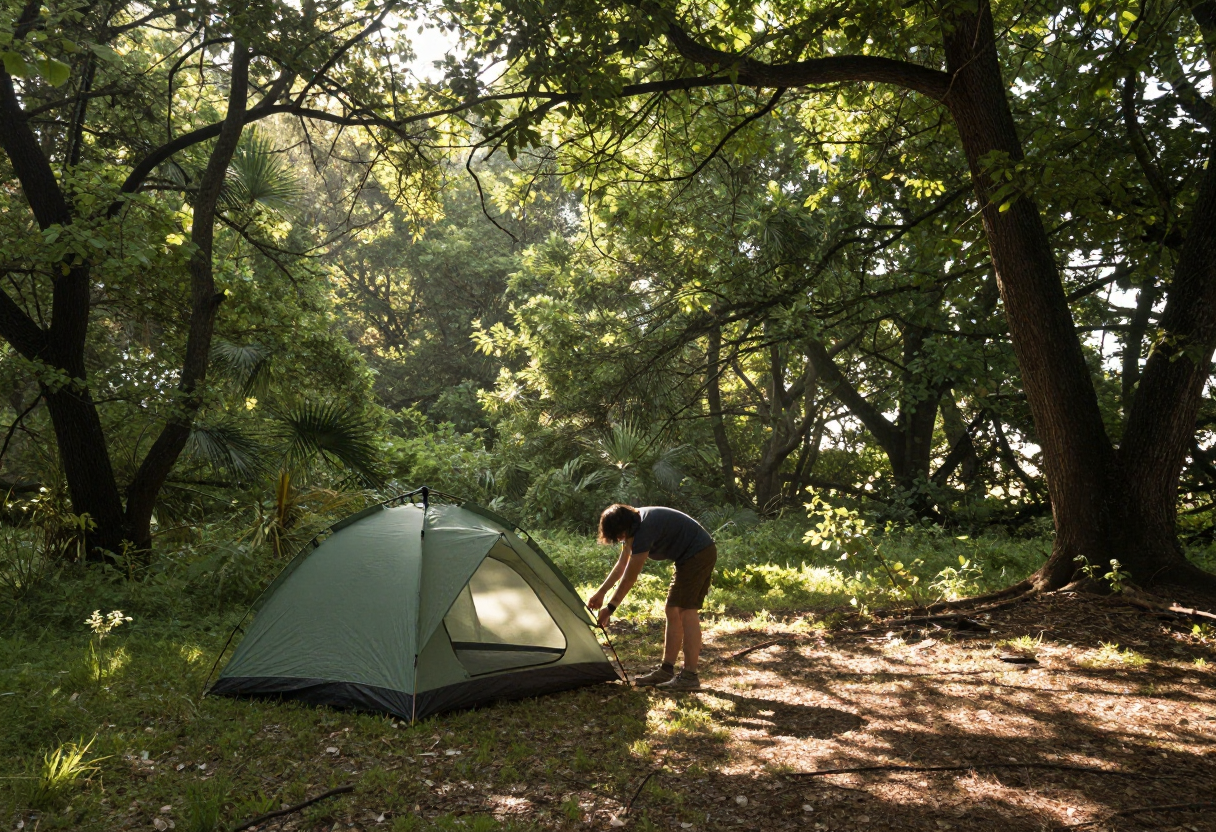
Once you decide to move beyond the well-trodden paths to find those quieter spots, the logistics change. When you aren't staying in an established campground with nearby facilities, you have to be your own support system. This means planning for "self-sufficiency." You need enough water and food to last your entire trip without needing to stop at a convenience store or head back to a trailhead.
Planning a solo or small-group trek into less-traveled areas requires a shift in how you pack. It’s about carrying what is necessary, but nothing more. If you are heading out to find specific mushrooms or just want a quiet night under the stars, your gear should be reliable and manageable. You need to think through waste management, fire safety (or using a small stove), and having a clear plan for your exit route. A remote camp isn't "harder" if you prepare correctly; it’s just more deliberate. It requires respect for the environment and a commitment to being prepared for what the woods might throw at you.
The field discipline: Navigation and weather judgment when the guidebooks fail
My time in the Marine Corps and with the Civil Air Patrol taught me that technology is a tool, but it isn't a replacement for fundamental skills. When you are off-trail or moving through dense brush to find specific foraging spots, your phone’s GPS might lose signal or its battery may die. You need to have "field discipline"—the ability to understand where you are based on the terrain and the conditions around you.
This includes land navigation (knowing how to read a map and compass) and weather judgment. In the woods, the weather can change rapidly. Being able to recognize the signs of an approaching front or a shift in wind means you aren't caught off guard by sudden rain or dropping temperatures. You should always know your "bail-out" points—locations where you can safely exit if conditions turn sour or if you lose your way. These skills are non-negotiable when you leave the marked paths; they provide the mental margin that allows you to enjoy the outdoors without unnecessary risk.
Leave nothing but tracks: Ethics for deep wilderness camping and foraging
The ethics of being in the wild come down to respect—for the land, the wildlife, and the people who will follow your footsteps. When we venture into less-crowded areas, it is even more important to practice Leave No Trace (LNT) principles. This means packing out every piece of trash, including organic scraps like orange peels or nut shells that can disrupt local ecosystems or attract unwanted wildlife.
When foraging for mushrooms or other wild plants, the rule is "take only what you need" and leave enough for the forest to thrive. Don't clear-cut a patch of ground just to find one specific mushroom; if it’s not there in a few steps, move on. Your goal is to leave the area looking like you were never there. By practicing these ethics, you ensure that these "hidden" spots stay pristine and available for others to enjoy in the years to come. It isn't just about being polite; it’s about maintaining the integrity of the wilderness we all rely on.
Next steps into the woods
If you are ready to start planning your own move away from the crowds this fall, there are a few ways to get started with some solid resources:
- Explore our Guide Library: Check out our comprehensive guides on mushroom identification and backcountry camping basics to build your knowledge before you head out.
- Use the Gear Finder Wizards: If you aren't sure what kit is required for self-sufficient trips, use our wizards to find reliable gear that fits your specific needs without overspending.
- Check State Resources: Before heading into any state park or national forest, visit our State Resources page. It will direct you to the official wildlife agency for your area so you can check local regulations on foraging and land access.
If you have questions about specific gear choices or need help narrowing down a destination that fits your skill level, reach out through the site—I'm happy to point you toward the right resources.
Inspired by Backpacker Magazine.
About the Author
David Rodgers is the founder and writer behind Country Trailhead — a Marine Corps infantry veteran, Civil Air Patrol colonel, and Eagle Scout based in Oklahoma, drawing on decades of field-tested hunting, fishing, camping, and hiking experience. Read more about David and Country Trailhead →