
Don't Trust the Water (Or the Weather)
When the water freezes, the game changes. This issue focuses on recognizing environmental hazards—from shifting ice to sudden blizzards—and building safety protocols that keep you alive when the fun stops working.
Written by David Rodgers — October 27, 2026
When the Fishing Stops Being Fun
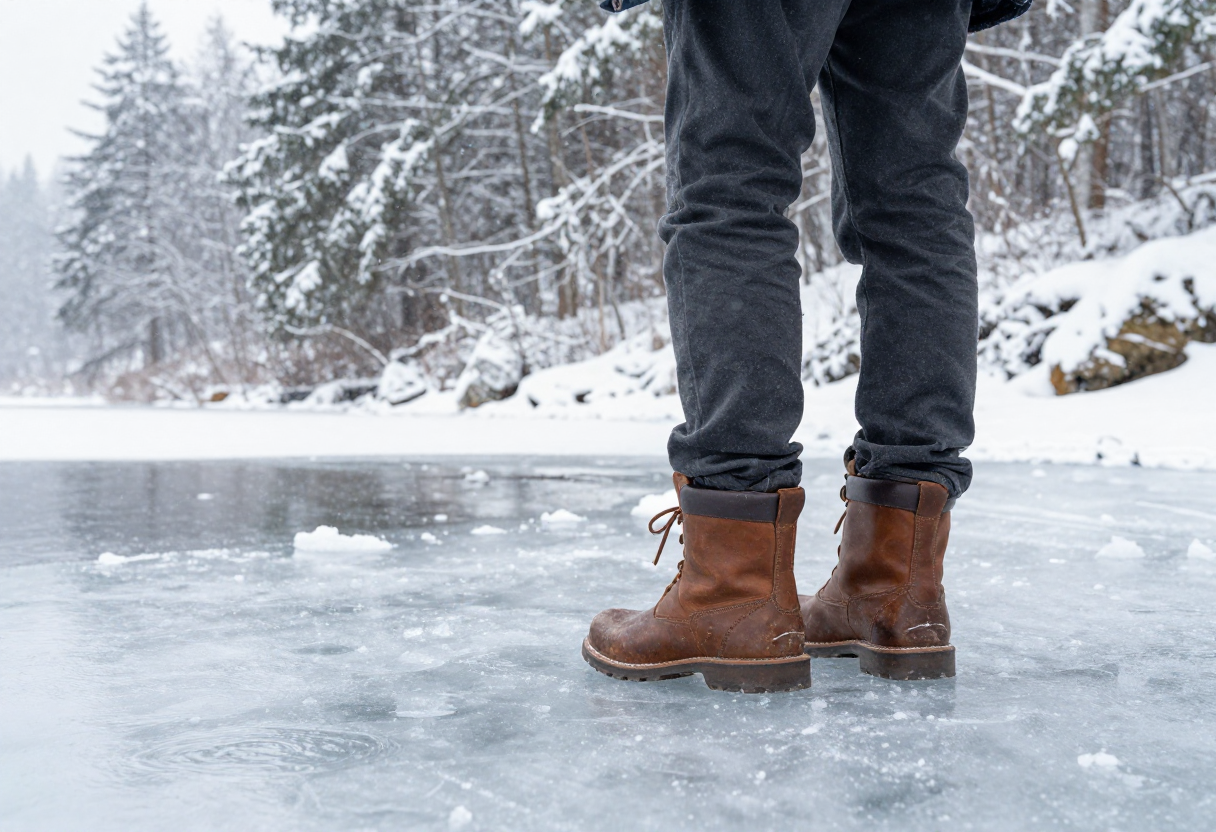
There is a point in every outdoor pursuit where the objective shifts from success to survival. In ice fishing or navigating deep, cold waterways during the winter months, that line can get blurred very quickly. It is easy to get caught up in the excitement of a strike on your line or the quiet satisfaction of a successful trek, and in those moments, your situational awareness tends to drop. I have seen this happen many times—people become so focused on the "prize" that they stop noticing the subtle cues from the environment.
When you are out on a frozen lake or near deep water in sub-freezing temperatures, the primary goal is no longer catching fish; it is maintaining your own safety and heat. The cold doesn't care about your skill level or how many times you’ve been out before. It is an indifferent force that works against you the moment things go wrong. You have to train yourself to keep one eye on the environment at all times, even when the fishing is good. If you can't identify the hazards around you without being distracted by your gear or your catch, you are taking a risk you shouldn't be.
The Illusion of Safety: Reading Local Risks
One of the biggest mistakes I see beginners—and even some experienced folks—make is assuming that because the ice looked solid yesterday, it will be solid today. Hubris is a dangerous companion in the winter. Ice thickness isn't uniform; it varies based on current flow, depth, and temperature fluctuations. You need to learn how to read what the water is telling you.
Indicators to Watch
- Water Color: Clear ice can sometimes be deceptive if it is thin over deep water. Look for changes in color or texture that might indicate varying thickness or underlying currents.
- Bubbling and Cracking: If you see active bubbling or hear frequent cracking, it often indicates moving water underneath or a rapid change in pressure. These are red flags to move away from the area immediately.
- Weather Shifts: Rapid changes in wind speed or sudden temperature drops can affect ice integrity quickly. A sudden gust of wind isn't just uncomfortable; it can be an indicator of shifting atmospheric pressure that impacts the stability of a frozen surface.
Because conditions vary so wildly by region, you should never assume a "standard" thickness is safe for your specific location. Always check with local authorities and residents who know the nuances of that specific body of water.
The Protocol Checklist: Before You Leave Home
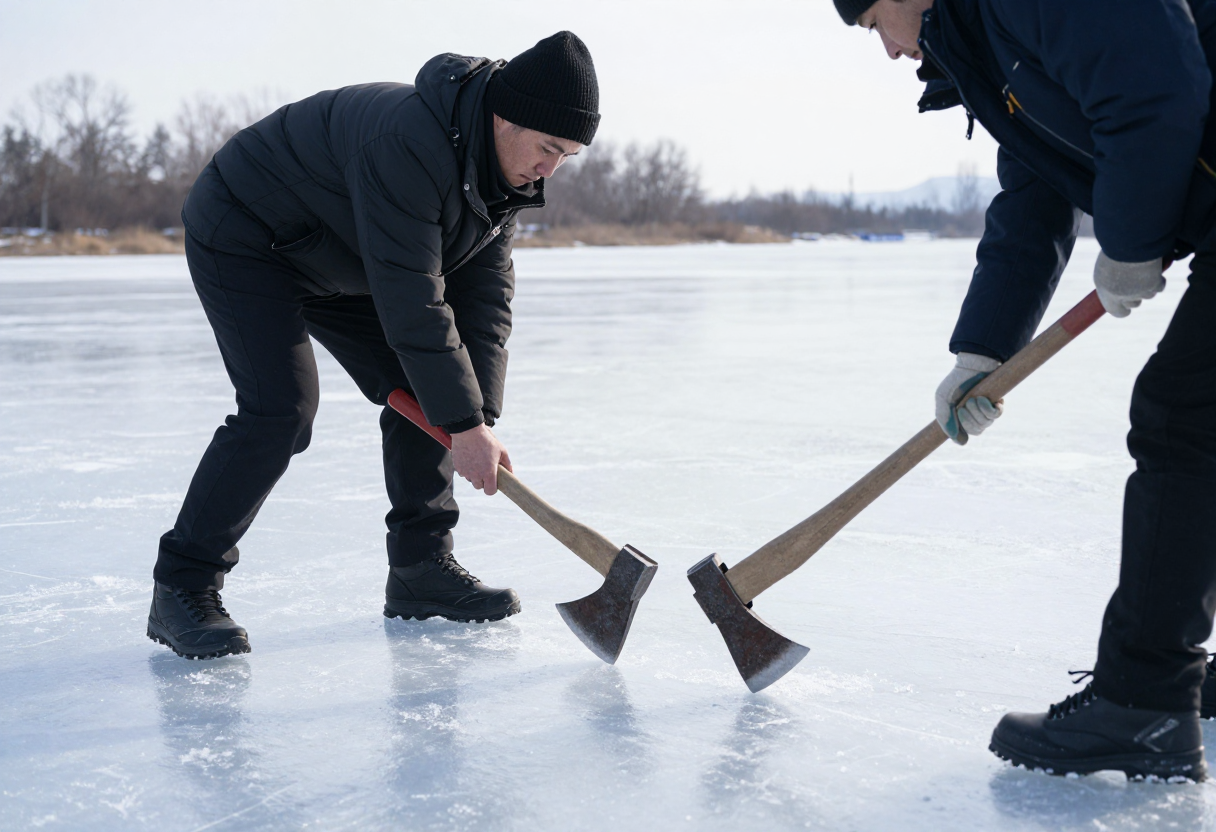
Preparation isn't just about packing the right bag; it’s about establishing a discipline of communication and planning before you ever turn the key in the ignition. In my experience, especially drawing from my time in the Marine Corps and Civil Air Patrol, a plan is only useful if it has been communicated to someone who can act on it.
Your Pre-Trip Plan
- The Buddy System: Never head out onto a frozen lake or into remote winter terrain alone. If something happens, you need a second set of eyes and hands to help with a rescue.
- Communication Plan: Tell someone exactly where you are going and when you expect to be back. Provide a specific "overdue" time—the point at which they should call for professional assistance.
- Defined Escape Routes: Before you start your day, identify your exit points. If the weather turns or the ice starts to show signs of stress, you need to know exactly which path takes you back to safety without hesitation.
By establishing these protocols early, you remove the "panic factor" from the equation. When things go wrong, you don't have to think about what to do next; you simply execute the plan you already made.
Gear Discipline: When the Plan Goes Wrong
In a survival situation, gear is not about aesthetics or having the newest piece of tech on the market. It is about redundancy and functionality when things go sideways. You want your gear to be reliable enough that it works even when it’s covered in frost or submerged in freezing water.
Essential Redundancy
- Insulation Layers: Your goal is to manage moisture and retain heat. Avoid cotton at all costs; it holds water and will strip your body heat instantly. Focus on synthetic or wool layers that can handle sweat while providing a barrier against the wind.
- Signaling Methods: If you find yourself in a situation where you cannot move, you need ways to get attention. This includes high-decibel whistles, flares, or even simple mirrors. These are low-tech but high-reliability tools.
- Self-Rescue Tools: For ice fishing specifically, having ice picks or a "grabber" tool is not optional—it's a primary safety requirement to help you extract yourself from a crack or thin spot.
Always choose the simpler, more reliable option over an expensive gadget that requires batteries or complex operation in extreme cold.
The Core Rule of Cold Water Survival
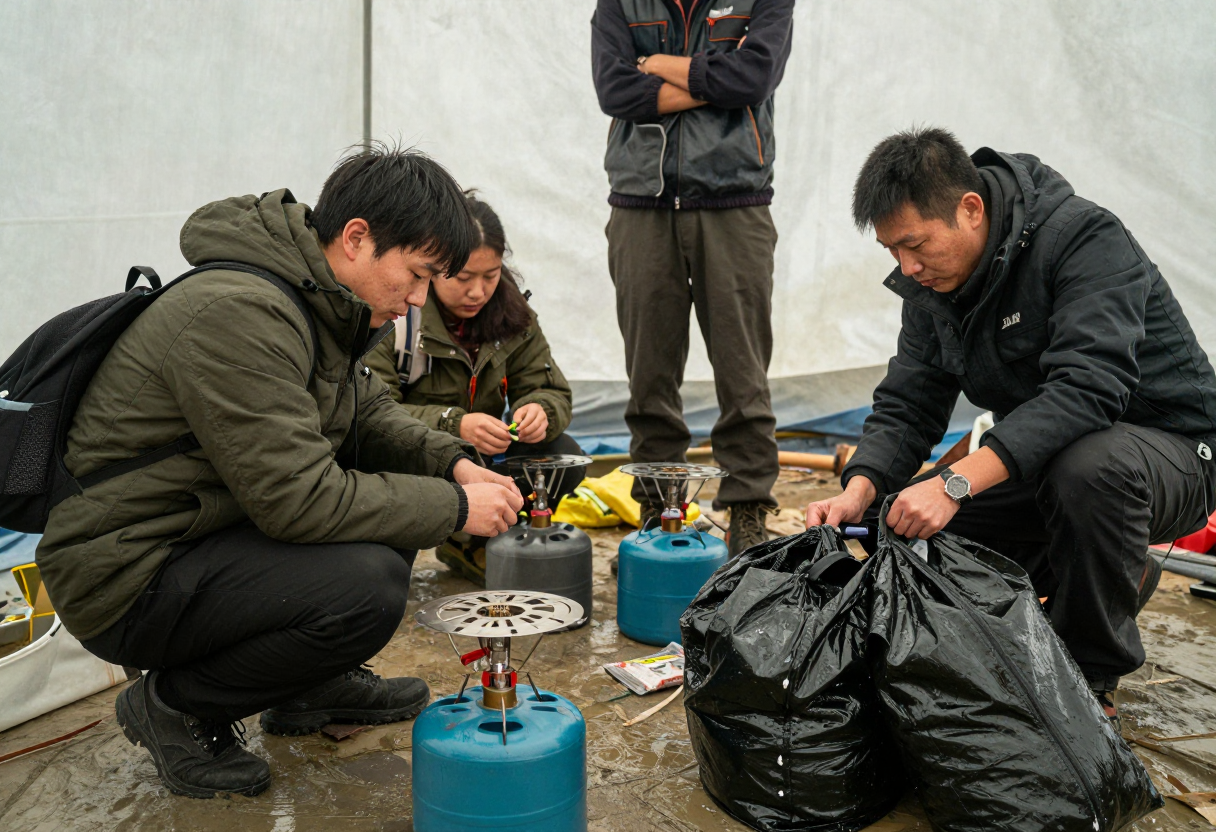
The most important thing to understand about cold water is that hypothermia is a clock. Once your core temperature begins to drop, you are racing against time. While high-quality gear can buy you extra minutes, your own physical fitness and mental discipline are what ultimately keep you in the game. You need to be prepared to make hard decisions—like turning back early or abandoning a spot—the moment you feel the environment shifting toward danger.
Preparation beats gear every single time. If you aren't comfortable identifying risks before you leave, your best move is to seek out more formal instruction and local knowledge.
To start building your safety foundation, visit our State Resources page to find your state’s official wildlife agency for region-specific ice conditions and winter regulations.
Inspired by Outdoor Life.
About the Author
David Rodgers is the founder and writer behind Country Trailhead — a Marine Corps infantry veteran, Civil Air Patrol colonel, and Eagle Scout based in Oklahoma, drawing on decades of field-tested hunting, fishing, camping, and hiking experience. Read more about David and Country Trailhead →