
Don't Let GI Bugs Ruin Your Trip: Water Safety Guide
Giardia and other GI parasites are common threats in backcountry water sources. This guide breaks down what they are, how they spread, and—most importantly—what reliable steps you can take before, during, and after a trip to stay healthy.
Written by David Rodgers — October 10, 2026
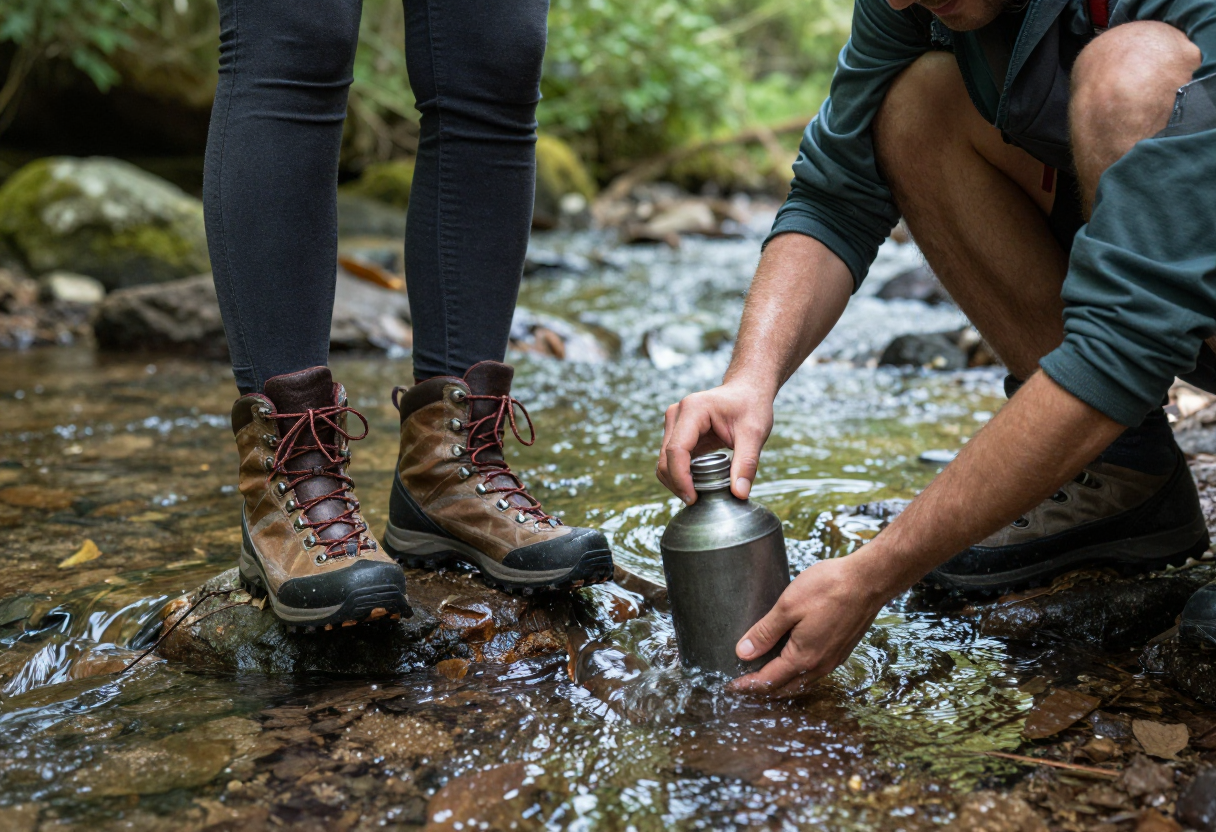
The reality of backcountry water: Why you need a plan
There is an old saying in the woods that if it looks clear, it’s probably fine. In my experience—and from everything I learned during my time in the Marine Corps and as an Eagle Scout—that way of thinking is a dangerous shortcut to take when it comes to water. Just because a stream looks pristine or a lake seems untouched doesn't mean it's safe to drink straight from the source. Nature is full of things we can’t see with the naked eye, including bacteria, protozoa, and viruses that can sideline you for days.
When you are miles away from a paved road or a reliable clinic, your primary goal is to stay functional. Getting hit with a severe gastrointestinal illness isn't just an inconvenience; it can turn a simple hike into a medical emergency because of dehydration and exhaustion. I treat water safety as part of my basic kit, much like checking my pack for a first aid kit or ensuring my navigation tools are charged. You need a disciplined plan to treat your water every single time you fill up a bottle, regardless of how "clean" the source looks to you.
What are GI parasites and how do they spread?
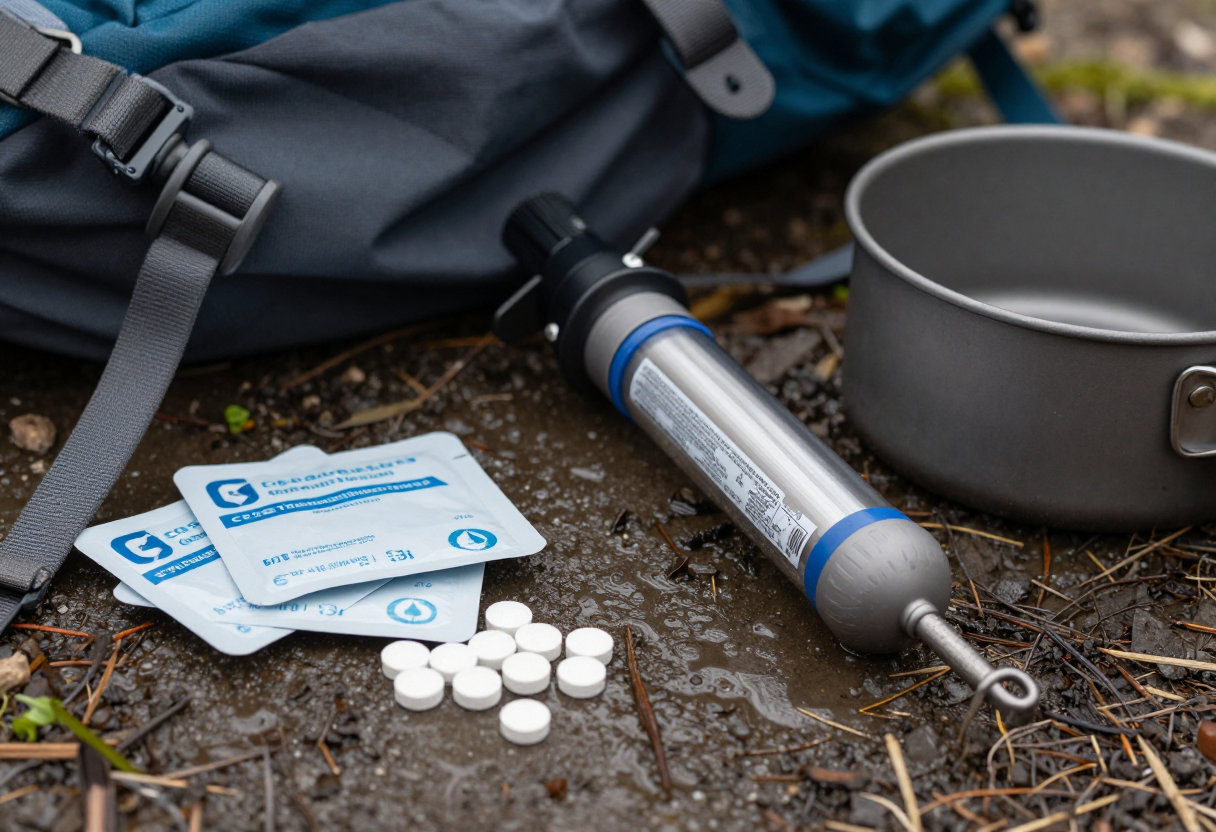
The primary culprit in most backcountry cases is Giardia, often just called "Giardia." It’s a microscopic parasite that lives in the intestinal tracts of humans and animals. It doesn't matter if it's a deer, a cow, or another hiker; if an animal defecates near a water source, those parasites can enter the system. They are incredibly resilient and can survive in cold water for long periods.
The mechanism is what we call fecal-oral transmission. This means that any time you drink untreated water containing these organisms—or even touch contaminated gear and then touch your mouth—you risk infection. It isn't just about "dirty" water; it’s about the reality of how wildlife and humans interact with the environment. In some areas, heavy grazing by livestock can contaminate local watersheds for miles. Because you cannot see or smell these parasites in a stream, the only way to ensure they aren't entering your system is through consistent, intentional treatment methods.
The symptom checklist: Knowing when it’s just a bad meal vs. something else
If you start feeling "off" after a trip, the first thing you have to determine is whether you simply ate some questionable street food or if you picked up something from the water. Common symptoms of Giardia and similar pathogens include frequent diarrhea, stomach cramps, bloating, and nausea. These can start shortly after exposure but often take a few days to manifest fully.
While these symptoms are common enough that they might seem like a standard "stomach bug," they can become severe very quickly in an outdoor setting. If you find yourself unable to keep fluids down or if you notice high fever or bloody stools, those are signs that the situation has escalated beyond a minor upset. It is important to remember that I am not a doctor; this section is meant to help you recognize when your body isn't cooperating so you can seek professional medical advice promptly. If you feel symptoms persisting for more than 24 hours or getting worse, get to a clinic. Prevention through proper filtration or purification is always the better strategy than trying to manage an infection while you're still in the backcountry.
Three layers of defense: The science of purification.
There are three primary ways to make water safe for drinking. Each has its own set of trade-offs regarding speed, reliability, and ease of use. In my experience, the best approach is often using a combination or choosing the method that best fits your specific trip's duration and location.
- Boiling: This is the gold standard. Bringing water to a rolling boil kills almost all pathogens, including viruses and protozoa. It’s the most reliable method but requires significant fuel and time, making it less practical for high-volume needs while on the move.
- Filtration: Using a hollow-fiber or ceramic filter is the standard for hikers. It works quickly and removes bacteria and protozoa. However, some filters do not remove viruses unless specified by the manufacturer.
- Chemical Treatment: Tablets (like iodine or chlorine dioxide) are lightweight and effective against a wide range of pathogens. They take time to "work" before you can drink the water and can leave a slight chemical taste.
| Method | Primary Pros | Primary Cons | Best Used For... |
|---|---|---|---|
| Boiling | Kills all pathogens (bacteria, protozoa, viruses) | Requires fuel/time; not practical for high volume | Basecamps and stationary situations |
| Filtration | Fast; no chemical taste; removes sediment | Some filters don't catch viruses; can clog easily | Day hikes and backpacking |
| Chemicals | Lightweight; long shelf life; kills a wide range of pathogens | Requires wait time; potential for chemical taste | Emergency backup or very remote travel |
When to call in help: Medical treatment and next steps
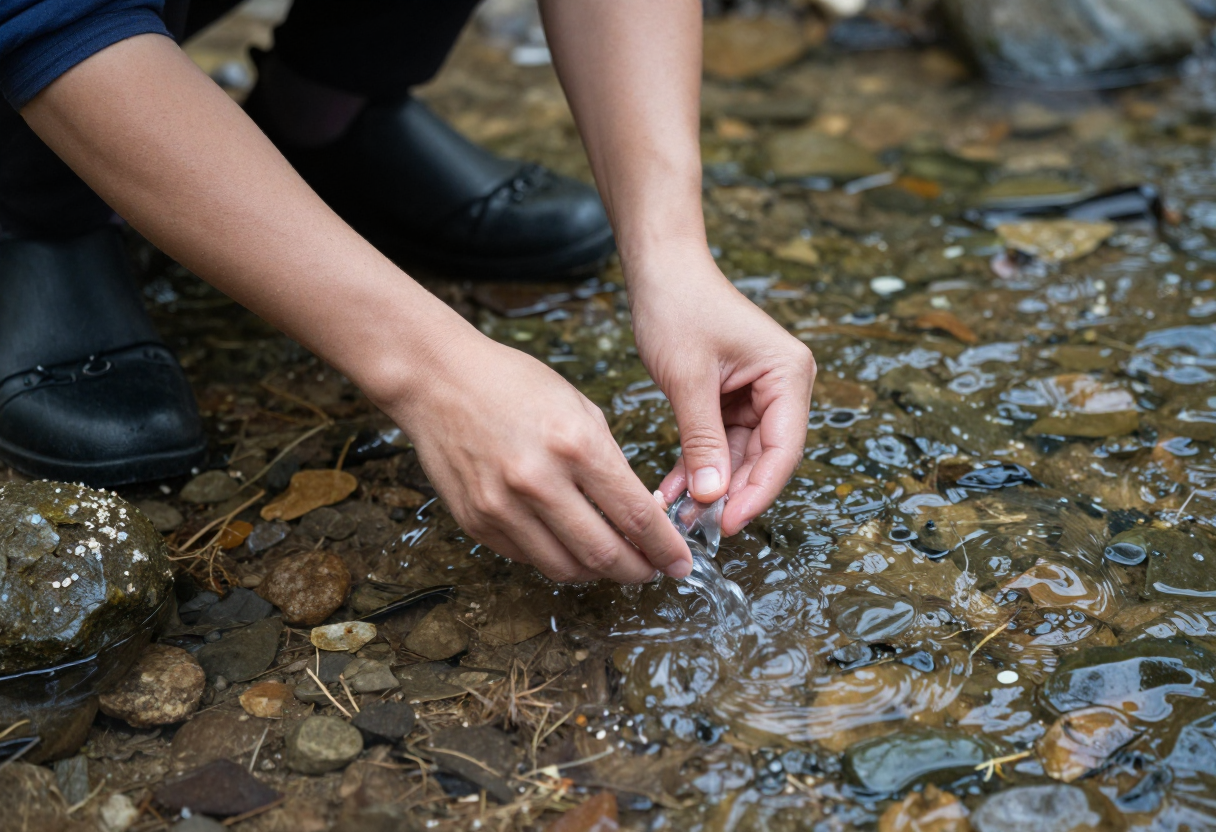
If you do end up with an infection, modern medicine has effective treatments. Medications like Tinidazole are commonly used to clear Giardia infections, but these must be prescribed by a healthcare professional who can determine the correct dosage based on your symptoms and history. If you find yourself feeling ill, the most important thing you can do is stay hydrated. Sip water slowly and use electrolyte powders if they are available in your kit.
However, none of this advice replaces the need for professional medical consultation. If you suspect you have a waterborne illness, contact a doctor immediately to get a proper diagnosis and treatment plan. Because regulations regarding water safety and local environmental hazards vary significantly by region, always consult your state's official wildlife or environmental agency for specific information on local water quality concerns in their parks and wilderness areas. You can find these resources through the State Resources page on our site. Use it as your starting point to understand what to expect in the specific area where you plan to explore.
Inspired by Section Hiker.
About the Author
David Rodgers is the founder and writer behind Country Trailhead — a Marine Corps infantry veteran, Civil Air Patrol colonel, and Eagle Scout based in Oklahoma, drawing on decades of field-tested hunting, fishing, camping, and hiking experience. Read more about David and Country Trailhead →