
Don't Get Caught Out in the Storm: Critical Lightning Safety Tips
Severe thunderstorms can bring deadly lightning, regardless of how good your planning was. This issue details what to do before, during, and after a strike while out in the field.
Written by David Rodgers — September 3, 2026
Before You Leave: Reading the Sky’s Mood
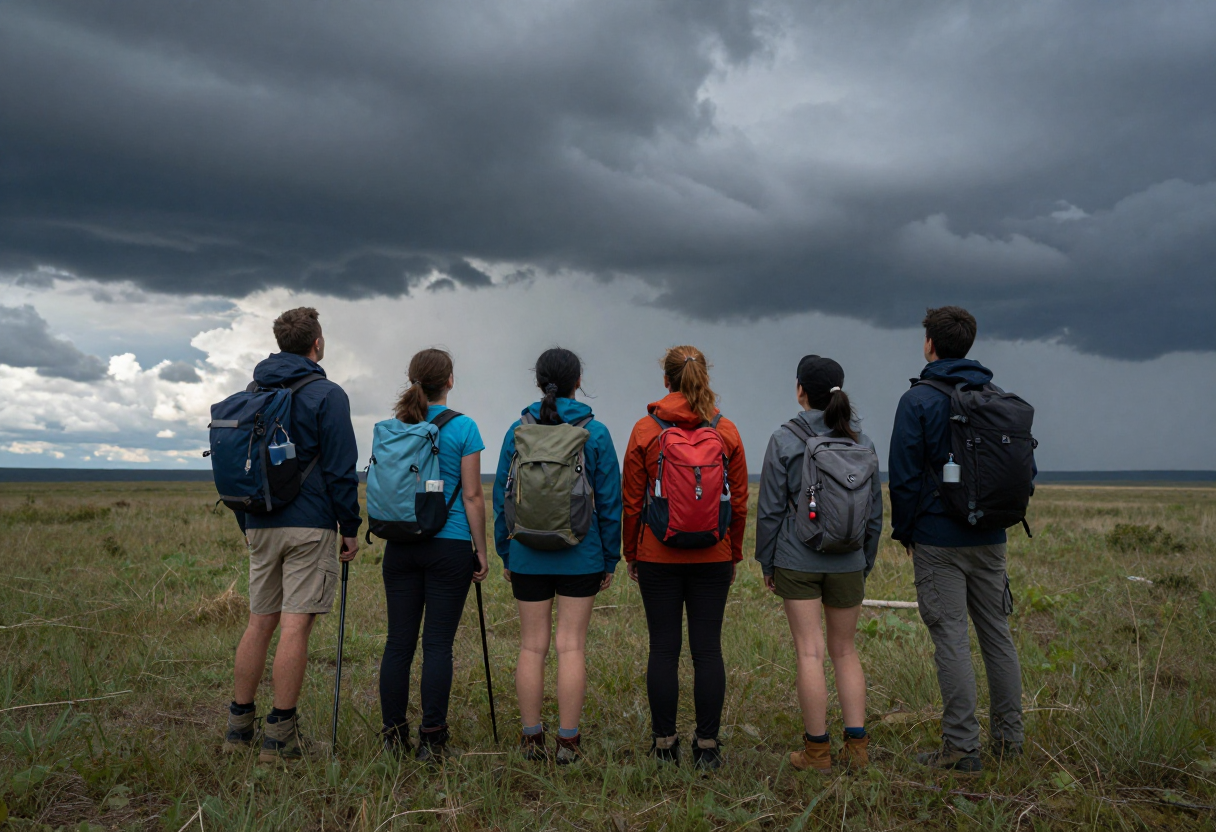
Before you even pack your gear, you have to understand that nature doesn't always give you a polite warning. In many parts of the country—especially if you are operating in subtropical zones or flat plains—weather can move with startling speed. During my time in the Marine Corps and later in the Civil Air Patrol, I learned that "situational awareness" isn't just about looking at what’s right in front of you; it’s about noticing changes in the environment before they become problems.
When you head out, start by observing the horizon. Are those clouds building vertically? Is there a sudden shift in wind direction or a noticeable drop in temperature? These aren't just "moody" weather signs; they are indicators of moving systems. I’ve seen many folks get caught off guard because they were focused on their lines or their trail and ignored the darkening sky until it was too late to move to safety. If you see rolling, dark clouds building up in the distance or hear a low rumble of thunder from miles away, that is your cue to start thinking about where your nearest "safe zone" is located.
The Golden Rule: When Thunder Roars, Go Slow.
There is a standard for lightning safety that I find easy to remember because it's practical and doesn’t require complex calculations in the heat of the moment: the 30/30 rule. If you see lightning and hear thunder within 30 seconds of each other, the storm is close enough to be dangerous. You need to stop what you are doing immediately and find shelter or a lower-profile position.
Once the storm has passed—or at least once you haven't heard a clap of thunder for 30 full minutes—you can resume your activities. I’m not saying this because it sounds good in a manual; I say it because lightning is unpredictable. A strike doesn't have to hit you directly to be dangerous; the ground around a strike point can become electrified, and "side flashes" can jump from trees or objects to people nearby. If you hear thunder at all, the safest move is always to pause, assess your surroundings, and wait out the immediate threat. In my experience, it’s better to lose thirty minutes of fishing time than to risk a strike in an open field.
Different Scenarios, Different Moves (Camp, Water, Trail)
Depending on where you are when the sky opens up, your priorities change based on the risks inherent to that specific environment.
At Camp
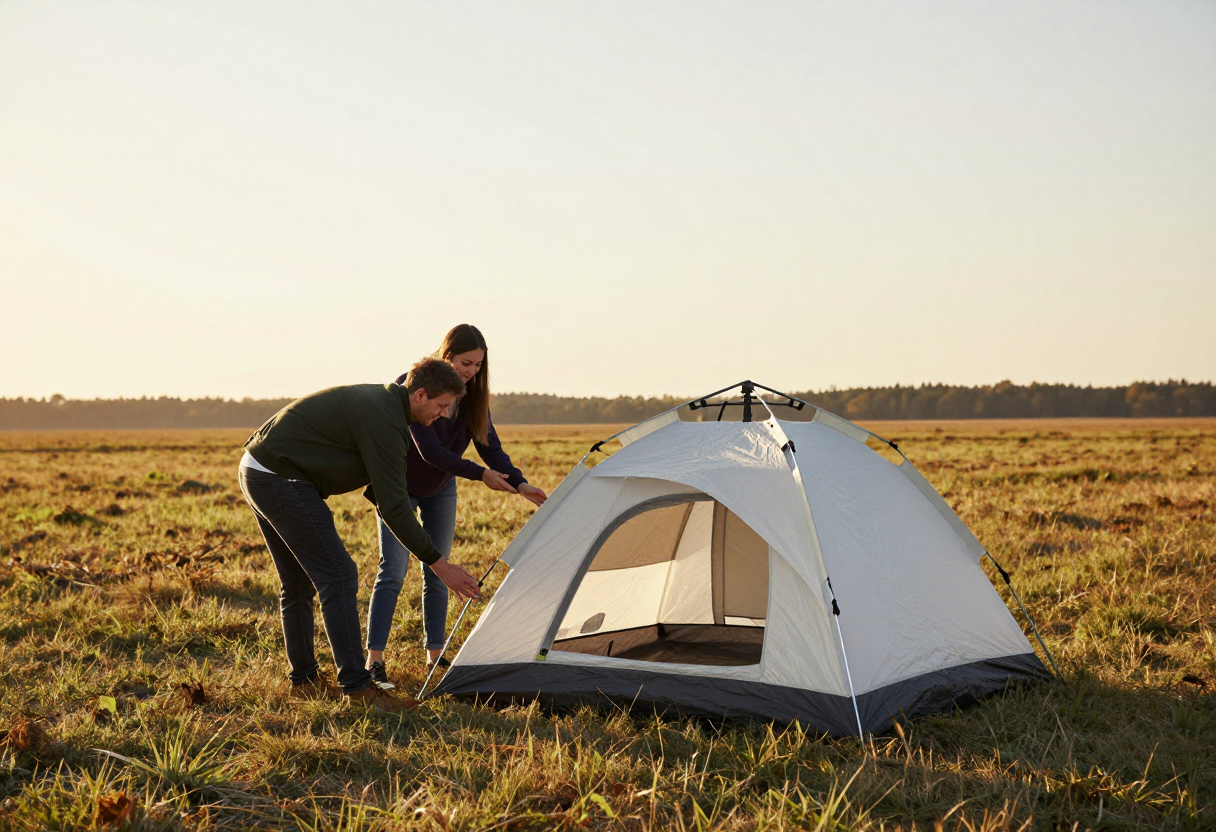
If you’re at a campsite and hear thunder, move away from high points like ridges or peaks. If you can't reach a vehicle or a permanent structure, find a low spot in a valley or a depression. Avoid staying under lone trees or near tall structures like fences or poles. Stay off of metal objects—this includes your stove, bike frames, or any metallic gear—as they don't "attract" lightning more than you would, but they can conduct electricity away from you very efficiently if hit.
On the Water
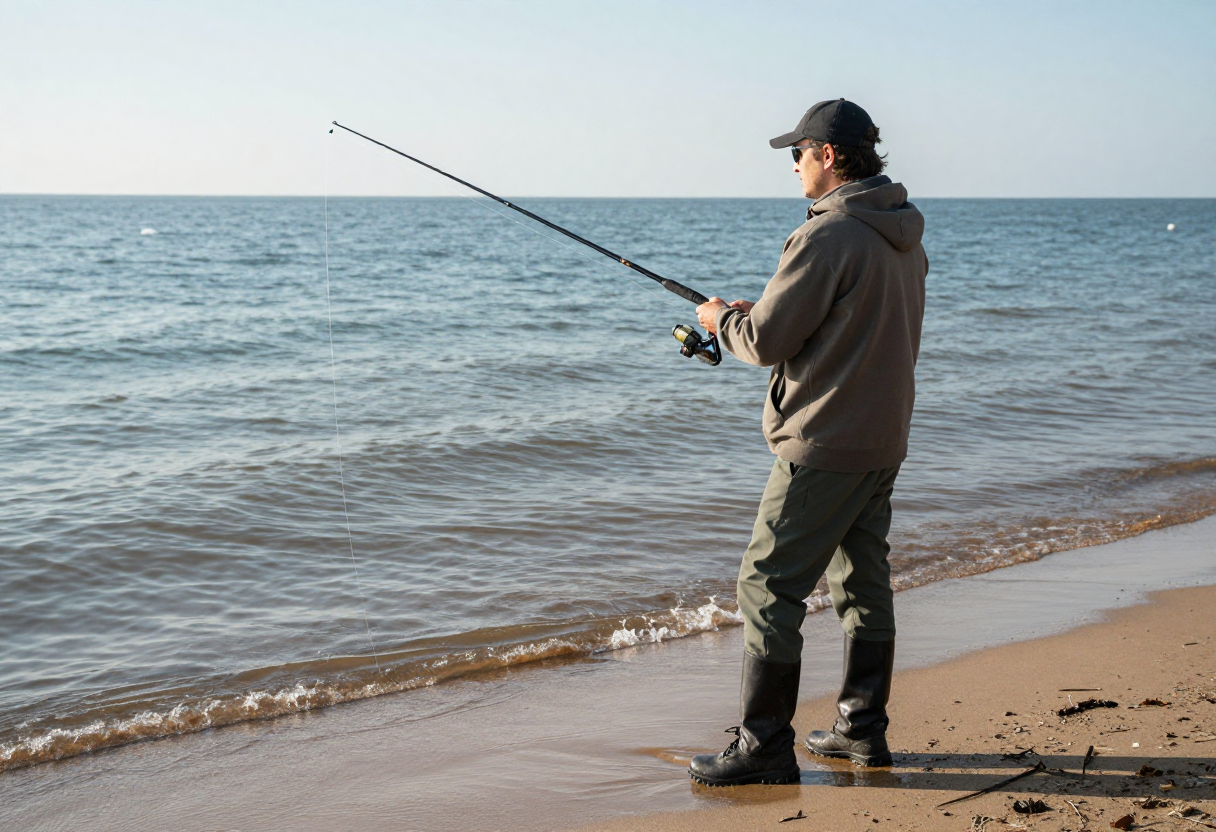
This is arguably the most dangerous place to be during a storm. Water is an excellent conductor of electricity. If you are in a boat or wading in a river and see signs of a storm, get out of the water immediately. A strike on the surface of the water can travel outward much faster than it travels through the air. Move toward land as quickly as possible.
On the Trail
If you’re hiking, your goal is to minimize your profile. Avoid ridgelines and high ground where you are more exposed. If there's a thick stand of trees nearby (not a single lone tree), that can offer some protection from direct strikes, but it carries the risk of "falling limbs" if the wind picks up. The best move is often to find a lower-lying area and wait out the cell.
If It Hits: What to Do When Lightning Strikes
It’s a grim reality, but lightning strikes do happen. If you are with someone who has been struck, your first priority is safety—both for them and yourself.
If the person was struck while in contact with something (like a piece of metal or if they were in water), do not touch them until that object is no longer part of the circuit. A strike can leave a lingering electrical charge on objects near the point of impact. Once you are sure it's safe, check for breathing and a pulse. Most lightning strikes don't cause immediate death but can cause severe burns or internal damage. If they aren't breathing, start CPR immediately.
The biggest mistake people make in these moments is panic-driven movement. Stay calm. Treat the injuries you see. Because of the complexity of electrical trauma and potential heart rhythm issues caused by a strike, professional medical help should be sought as soon as possible. However, remember that I’m providing this as a general guide; if you are in a remote area, your primary goal is to stabilize the individual until extraction is possible.
The Gear Check and The Exit Plan
Preparation is what separates a planned trip from an accidental one. Before you head out, check your communication gear. In many areas, cell service is non-existent. If you’re going deep into the backcountry or onto remote water, a satellite messenger or a reliable VHF radio isn't just "extra" kit—it's a safety tool that allows you to call for help if things go sideways.
Furthermore, always have an exit plan before you leave your driveway. Know where the nearest road is and what your route back looks like. If the weather turns, you shouldn’t be trying to figure out how to get home; you should already know exactly which turn to take. Regarding gear reliability, ensure your waterproof bags are actually keeping your electronics dry—a wet phone can't call for help or check a GPS map. Finally, always check with your state’s official wildlife agency regarding local safety guidelines and regulations before heading out. They will have the most current information on regional risks and requirements specific to your area.
Inspired by Wide Open Spaces.
About the Author
David Rodgers is the founder and writer behind Country Trailhead — a Marine Corps infantry veteran, Civil Air Patrol colonel, and Eagle Scout based in Oklahoma, drawing on decades of field-tested hunting, fishing, camping, and hiking experience. Read more about David and Country Trailhead →