
Does the New 6.5 Creedmoor Really Rule Big Game?
We put the latest 6.5 Creedmoor variants head-to-head with traditional big game cartridges to see if high performance truly outweighs reliable classics when hunting elk. Find out where the money is actually best spent.
Written by David Rodgers — September 22, 2026
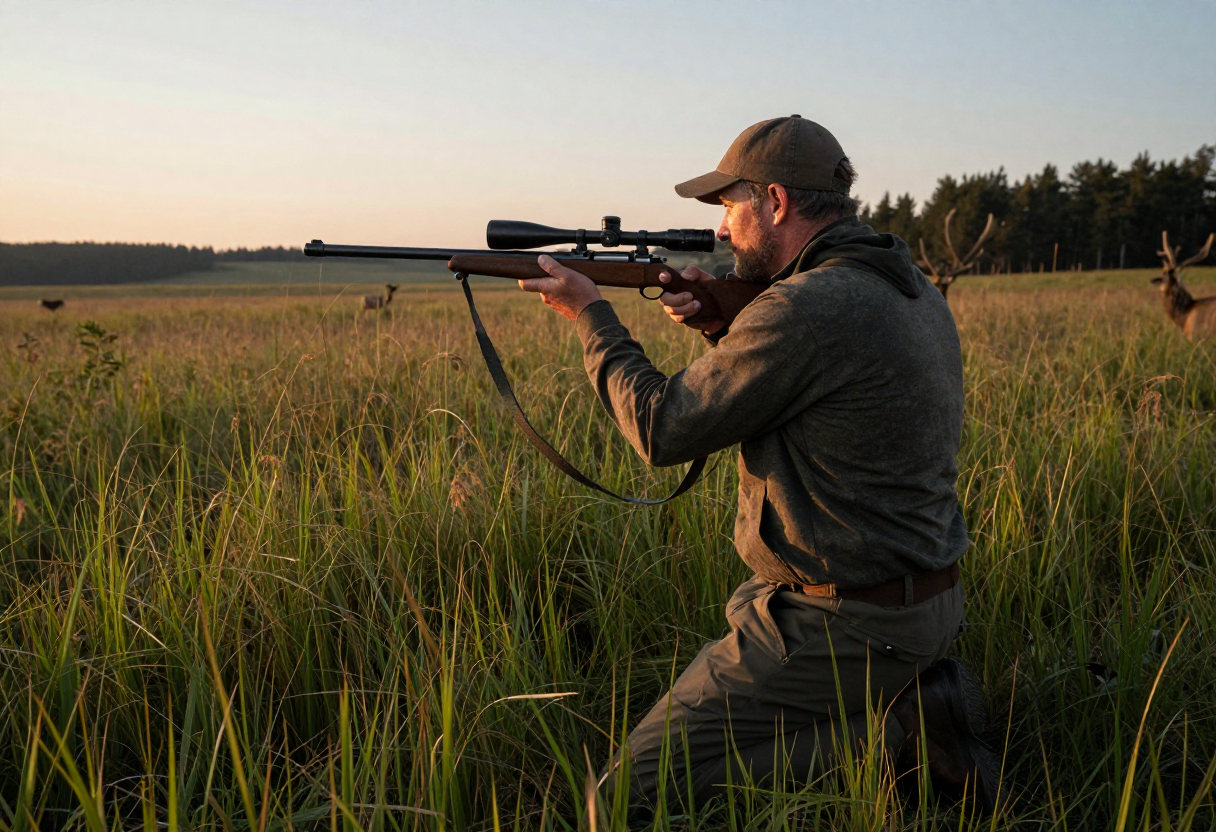
The fundamental question: Why does ammo matter so much?
It is easy to get caught up in the "shiny object" syndrome when it comes to hunting gear. We spend months researching high-end optics, custom actions, and specialized stocks. While a great rifle and a clear scope are essential tools, they are ultimately just the delivery system. The actual work—the part that determines whether you have an ethical harvest or a wounded animal—is performed by the cartridge.
In my experience, many beginners focus on "how much" power a gun has because it sounds like a safety net. But in the field, what matters most is how that energy translates into terminal performance. A rifle might be capable of shooting accurately at long range, but if the ammunition doesn't expand correctly or fragment prematurely upon impact, the precision of your shot won't matter much. When we talk about "big game" like elk, we are looking for a cartridge that provides enough and consistent energy to create a clean and immediate stop. You want a round that does its job reliably every time you pull the trigger, regardless of how many fancy features your rifle has.
Looking at the data sheet vs. looking through the scope
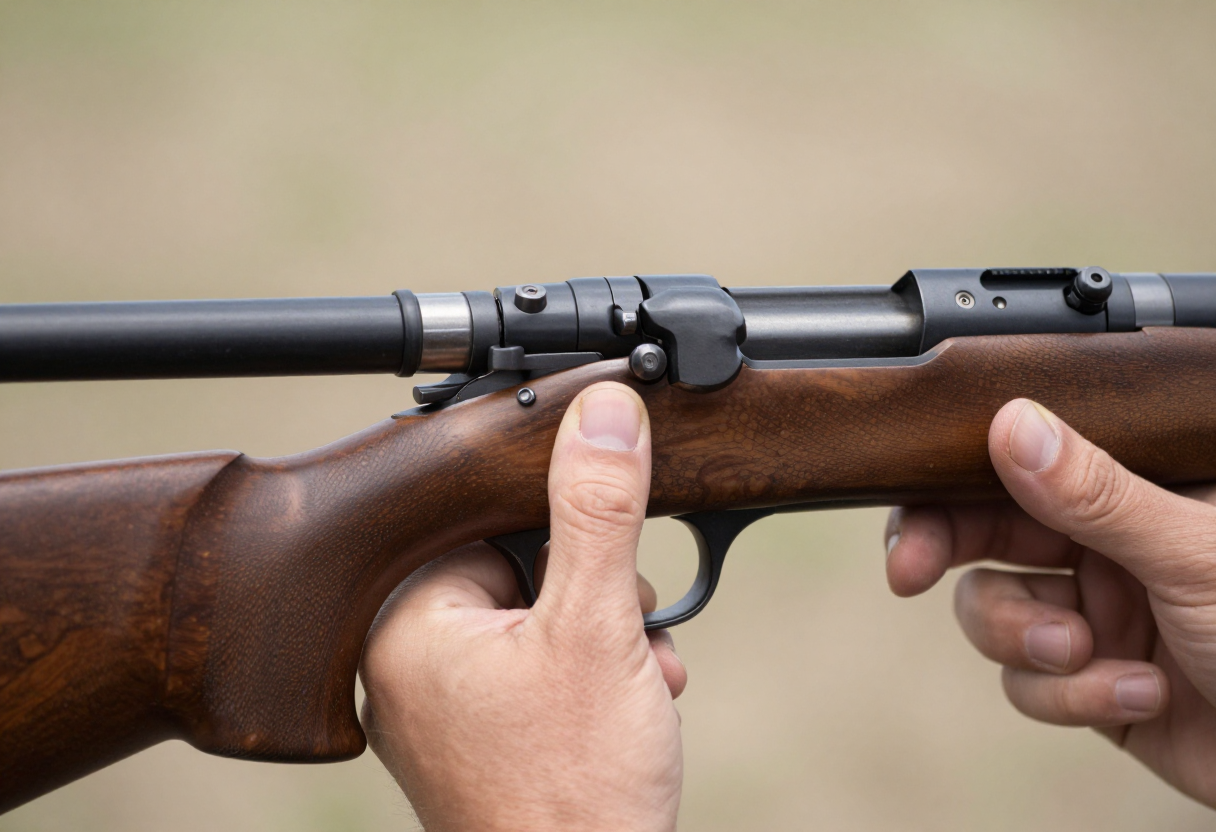
When you look at modern 6.5 Creedmoor variants—including higher-performance versions like those designed for increased velocity retention—the numbers on paper are impressive. Compared to traditional staples like the .30-06 or the 7mm Rem Mag, the 6.5 Creedmoor offers a very flat trajectory and high ballistic coefficients. This means it stays "flat" over longer distances, making it much easier to hold for distant targets.
However, there is a difference between what a ballistics chart tells you and what happens when you are actually behind the glass. While a 7mm Rem Mag might offer more raw power and higher velocity at extreme ranges, the 6.5 Creedmoor is often praised for its consistency. In many hunting scenarios, especially those involving heavy timber or rolling hills where shots rarely exceed 400 yards, the extra "oomph" of a heavier-hitting traditional cartridge may not be necessary to achieve an ethical kill. The modern 6.5 variants are designed to provide high performance in a lighter and more manageable package. They aren't just "small versions" of big cartridges; they are precision tools engineered for consistent results across various distances.
| Cartridge Type | Primary Strength | Typical Use Case |
|---|---|---|
| .30-06 Springfield | Versatility and proven reliability | General big game, varied terrain |
| 7mm Rem Mag | High velocity / Long range power | Open country, large-bodied game |
| 6.5 Creedmoor (Standard) | Accuracy & flat trajectory | Precision hunting, moderate ranges |
| 6.5 Creedmoor (High Perf) | Enhanced retention for longer shots | Extending the effective "flat" zone |
The real test: Terminal performance and recoil management in the field
This is where the rubber meets the road. A lot of people choose a cartridge based on how it looks on a chart, but you should choose it based on how it feels when your heart rate is up and the animal is moving. One of the biggest advantages of the 6.5 Creedmoor family for many hunters—especially those who might be newer to long-range shooting—is recoil management.
When you have a manageable recoil, you can settle your sight much faster after a shot. If you miss or if the first shot doesn't drop the animal, you need to be able to fire a follow-up quickly and accurately. A heavy-hitting traditional cartridge might provide more "thump," but it can also push the rifle out of your shoulder, making a second shot difficult in a high-pressure moment. The 6.5 Creedmoor strikes a balance; it delivers enough energy to reliably drop an elk while remaining manageable enough that you stay on target. Regarding terminal performance, modern heavy-grain bullets designed for these cartridges are excellent at staying together and expanding properly. They provide the necessary shock to reach the vitals without shattering into pieces before they hit the target.
What I got wrong (and how to avoid it)
Early in my time outdoors, I fell into a common trap: thinking that "more" was always better. I used to think that if I could get the fastest possible bullet or the most "powerful" cartridge available, I’d be safer. I didn't realize that over-engineering your load for the actual terrain you hunt can lead to unnecessary complications.
For example, some hunters choose a high-performance 6.5 Creedmoor variant because they think they need it for elk, when in reality, their typical hunting grounds don't require those specific ballistic gains. You have to match the tool to the geography and your own comfort level. Don't pick a cartridge just because it’s trending or because the marketing says it "does more." Ask yourself: What is the average distance of my shots? How much recoil can I comfortably manage while staying focused on my sight picture? If you are hunting in heavy brush where shots are rarely over 200 yards, you don't need a long-range specialty cartridge. Conversely, if you are hunting in wide-open plains, you might prefer the traditional "hammer" of a .30-06 or a 7mm because of their established history and reliability in those specific conditions.
The bottom line: Choosing the right kit for your next trip
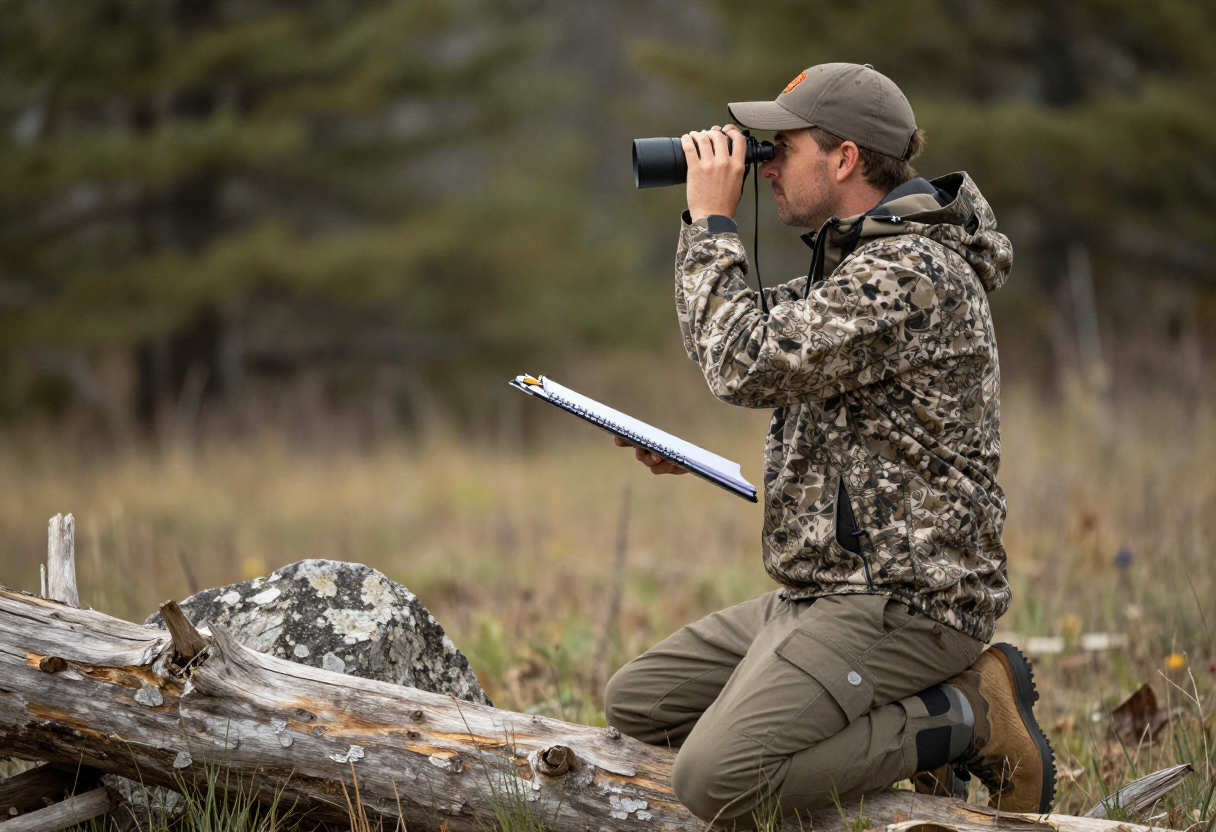
So, does the new 6.5 Creedmoor rule big game? In my opinion, it doesn't "rule" so much as it provides a very modern, highly effective alternative to the classics. It is an excellent choice if you prioritize accuracy, manageable recoil, and consistent performance at moderate ranges. If your goal is to hunt elk in terrain where shots are typically under 400 yards, the 6.5 Creedmoor—whether standard or a high-performance variant—is more than capable of delivering a humane harvest.
However, if you prefer the tradition of "heavy hitters" or if you frequently find yourself taking shots at extreme distances in wide-open country, the .30-06 or 7mm Rem Mag remain gold standards for a reason. They have decades of proven success and provide plenty of energy for any large game animal. The right choice depends on your specific hunting goals and where you plan to be standing when you pull the trigger. Before heading out, I recommend checking with your state's wildlife agency regarding local regulations and choosing a load that feels comfortable in your hands during practice at the range. If you need help narrowing down which gear fits your specific region or hunting style, check out our Gear Finder Wizards.
Inspired by Outdoor Life.
About the Author
David Rodgers is the founder and writer behind Country Trailhead — a Marine Corps infantry veteran, Civil Air Patrol colonel, and Eagle Scout based in Oklahoma, drawing on decades of field-tested hunting, fishing, camping, and hiking experience. Read more about David and Country Trailhead →