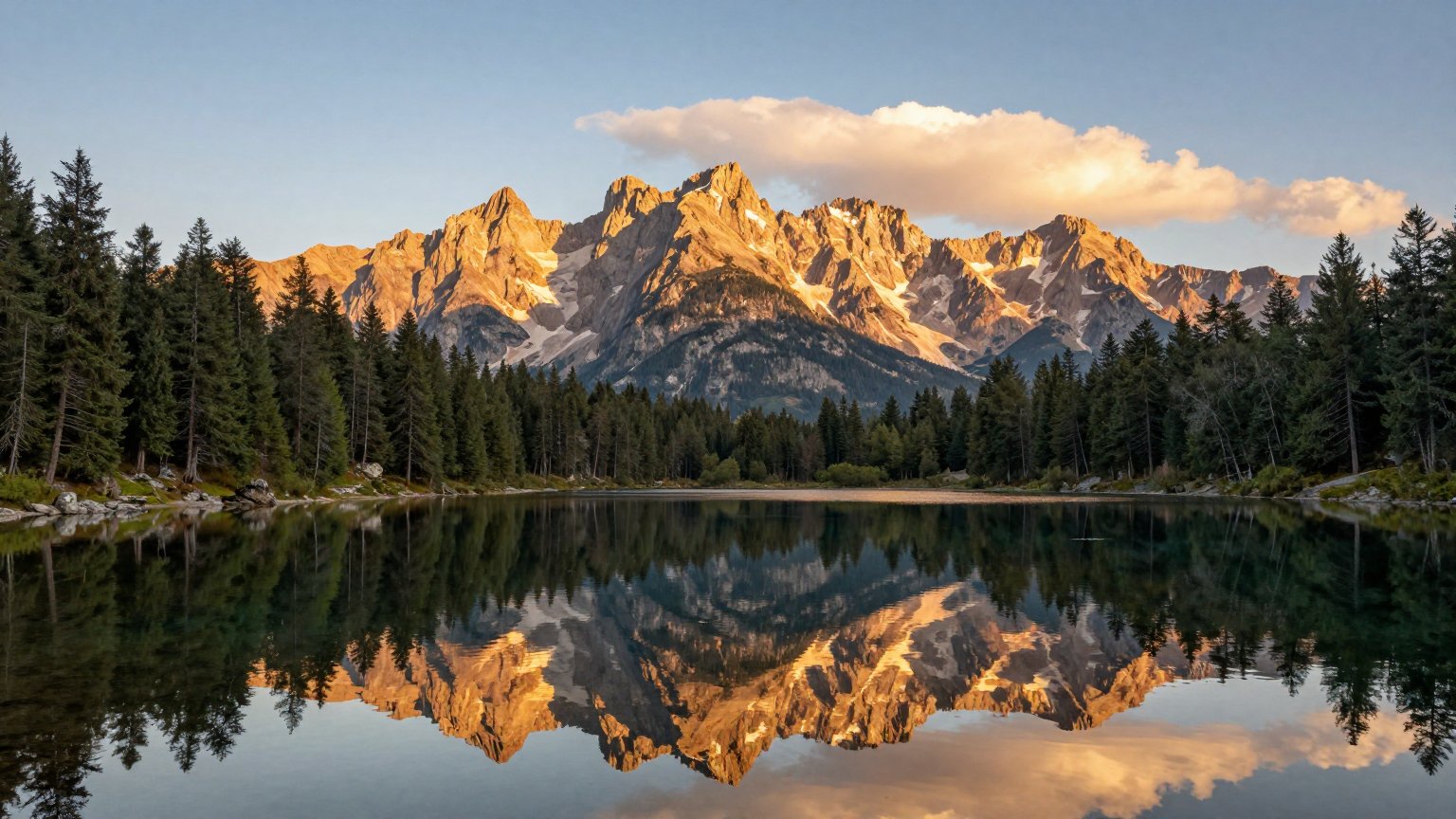

Choosing a Shelter That Won't Fail When It Matters Most
When you're relying on a tent to keep the cold out, knowing why it will fail is just as important as knowing how to pick one. We break down structure and material science so you can build reliable winter camp setups.
Written by David Rodgers — October 30, 2026
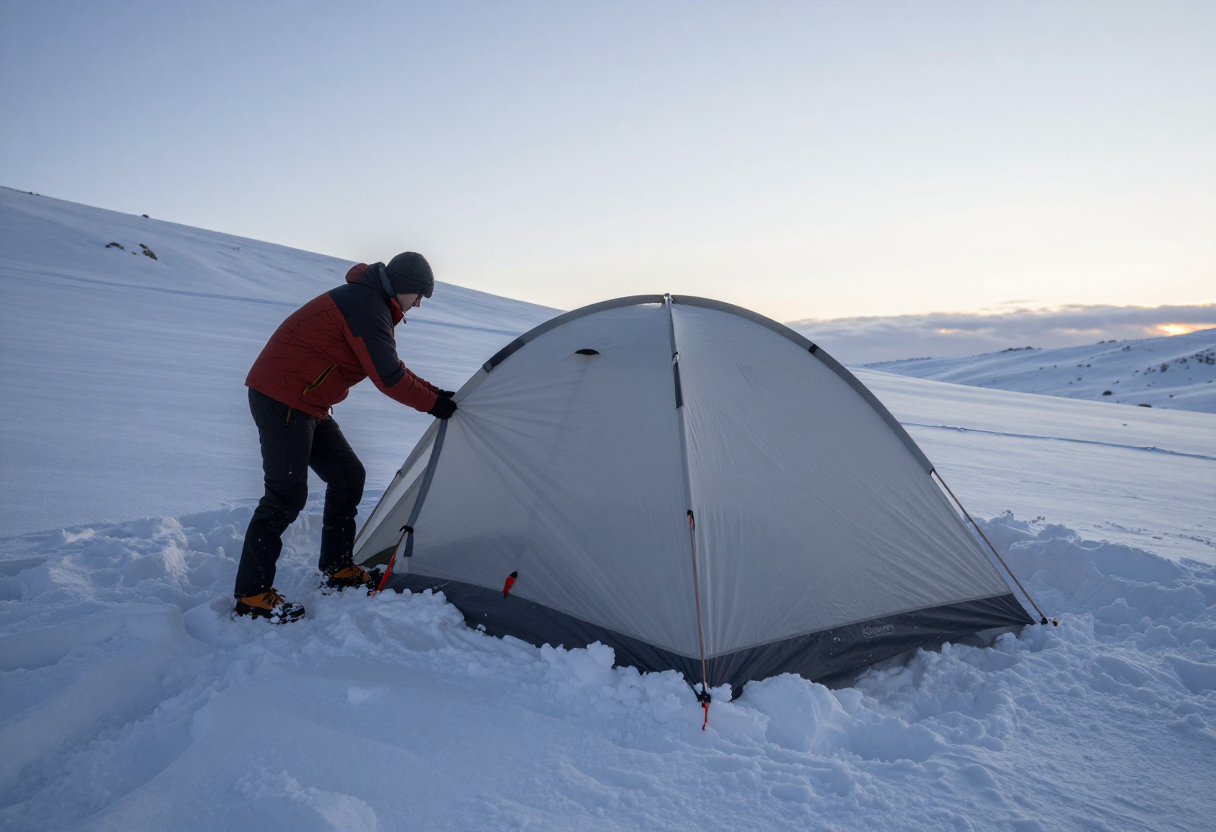
Why standard tents fail when the temperature drops below freezing
In my experience, the biggest mistake people make in winter camping is assuming a "3-season" tent can handle sub-zero conditions just because it’s rated for "moderate snow." When the mercury drops and you're dealing with actual alpine environments or heavy lowland snow, the physics of the shelter change. A standard summer tent relies on high-tension fabric that behaves differently when it gets cold and damp; nylon fibers can lose some elasticity, causing the structure to sag or pull unevenly.
More importantly, winter brings weight—specifically, "snow load." A thin fly on a lightweight backpacking tent isn't designed to hold three inches of heavy, wet snow. If that snow builds up, it creates a massive surface area for wind to catch like a sail, which can buckle the poles or tear the fabric entirely. In my time in the field, I’ve seen "lightweight" setups collapse because they lacked the structural integrity to distribute that weight across the frame. For winter, you aren't just looking for a tent; you're looking for an engineered structure capable of maintaining its shape under external pressure while keeping your internal environment stable.
The science of shelter fabrics: DCF vs. Silnylon vs. Poly
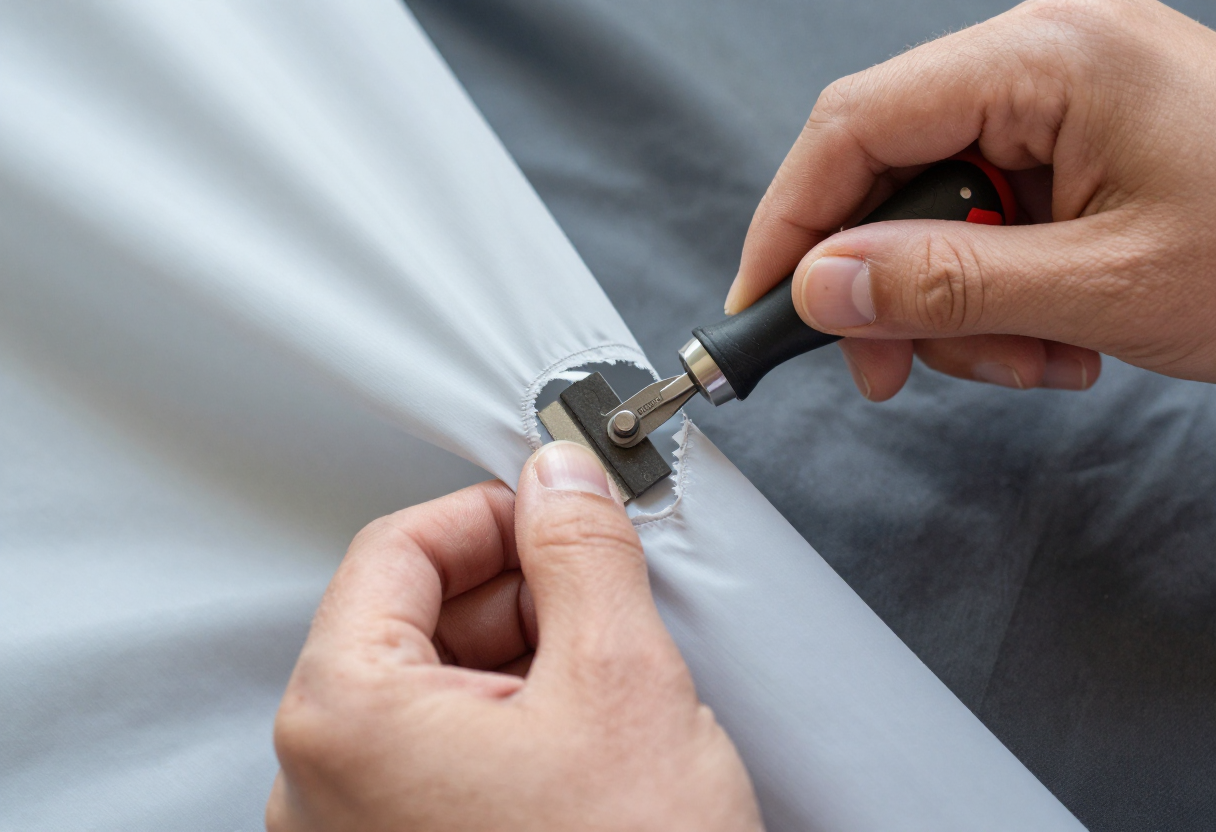
Choosing a fabric is about balancing weight, durability, and "stretch." I’ve spent enough time in the backcountry to know that what works for a summer hike often fails in deep winter because of how different materials react to moisture and cold.
- Dyneema Composite Fabric (DCF): This is the high-end stuff. It doesn't stretch, which is great for maintaining tent geometry under heavy loads or high winds. It’s also incredibly waterproof and light. However, it’s expensive, and because it doesn't stretch at all, any slight misalignment in your pole placement can put massive stress on a seam.
- Silnylon (Silicone-impregnated Nylon): This is the standard for many hikers. It’s affordable and relatively light, but nylon has "memory." In extreme cold or when wet, it stretches significantly. If you're trying to keep a tent taut against a gale, silnylon can become floppy, leading to a "floppy" shelter that sags inward.
- Polyester: Often overlooked by the ultralight crowd, polyester is actually quite excellent for winter. It holds its shape much better than nylon does in cold conditions and doesn't stretch as much when wet. For most people, a high-quality polyester tent offers a more stable structure than silnylon without the massive price tag of DCF.
Structural fundamentals: understanding pole architecture and geometry
A shelter’s strength isn't just about how thick the fabric is; it’s about how the poles distribute weight to the ground. When I was working on land navigation and safety protocols in the Corps, I learned that structural integrity always comes down to geometry. In a tent, this means understanding the difference between arching designs and geodesic structures.
Arching Designs
These are simpler setups where the poles create a basic curve over the top of the shelter. They are lighter and easier to pitch quickly, which is great for fast-moving trips. However, they have a single point of failure: if the wind hits at just the right angle or the snow load becomes too heavy in one spot, the "arch" can buckle.
Geodesic Designs
These use an interlocking system of poles that create multiple triangles within the frame. Triangles are the strongest geometric shape because they don't deform under pressure. A geodesic tent distributes weight across many points rather than just a few. While these are heavier and take longer to set up, they provide a level of stability—especially in high-altitude winds or heavy snow—that an arching design simply cannot match. If you’re planning on staying put in a high-wind corridor, the geometry is your best friend.
Managing moisture: The condensation trap in deep cold
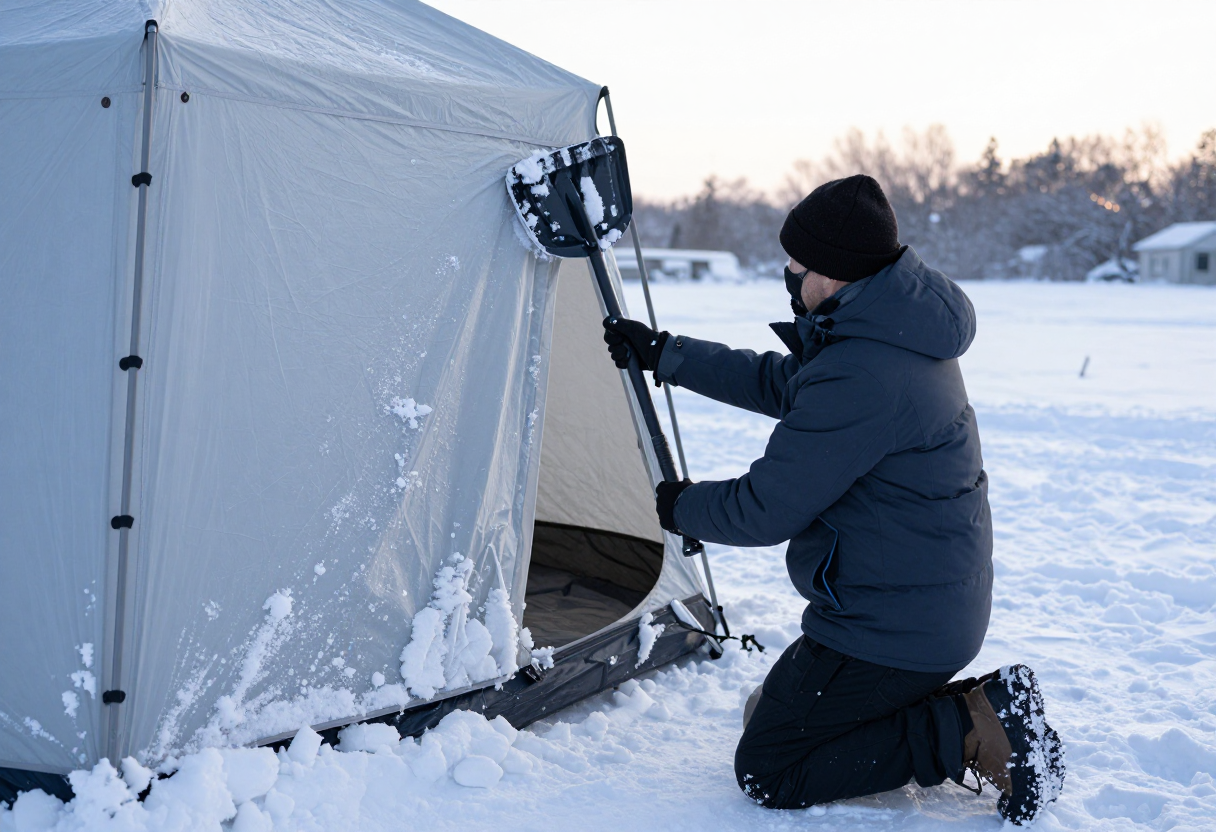
The single biggest "hidden" problem in winter camping isn't just keeping the heat in; it's getting the moisture out. Every breath you take and every bit of steam from your cooking gear creates humidity inside that tent. In a summer environment, this might just make things feel damp. In sub-zero temperatures, that moisture hits the cold walls of the tent and turns into ice.
If you don't manage this, you’ll wake up with "frost" on the inside of your fly, or worse, find that your sleeping bag is damp from internal condensation. To fight this, you have to be proactive about ventilation. It sounds counterintuitive—you want to keep the heat in—but a sealed tent is a death trap for gear and comfort.
I always look for tents with multiple venting points (top and side). A good strategy involves "active" management: keeping your vents open enough to let moisture escape while using a well-designed vestibule to block the wind from cooling the interior too rapidly. It’s a constant trade-off between heat retention and humidity control, but in deep winter, you have to prioritize getting that moisture out before it turns into an ice shelf on your head.
Application guide: Matching the shelter to the objective
There is no "perfect" tent; there is only the right tool for the specific job you’re trying to do. I've seen people bring a heavy, geodesic basecamp tent on a fast-moving ski tour because they thought it was "safer," and then struggled with the weight and slow setup time when they were exhausted.
- Ski Touring & Fast Pack: If your goal is to move quickly over long distances, you need a shelter that prioritizes low weight and rapid pitch times. A high-quality 3-season tent with reinforced poles or a lightweight 4-season model made of polyester will often strike the right balance here.
- Stationary Mountaineering/Basecamp: If you are staying in one spot for several days, prioritize structural integrity over weight. This is where those geodesic designs and heavy-duty fabrics shine. You want a shelter that can withstand 48 hours of sustained wind and snow without needing constant adjustment.
Before you head out, make sure your gear matches the specific terrain and weather patterns of your destination. For detailed information on local conditions and requirements, always check your state's official wildlife agency website to ensure you're following all regional guidelines for backcountry use. To help narrow down your specific needs based on your goals, you can also run our Gear Finder Wizard to see which shelter types fit your intended trip profile.
Inspired by Section Hiker.
About the Author
David Rodgers is the founder and writer behind Country Trailhead — a Marine Corps infantry veteran, Civil Air Patrol colonel, and Eagle Scout based in Oklahoma, drawing on decades of field-tested hunting, fishing, camping, and hiking experience. Read more about David and Country Trailhead →