Choosing a Rain Jacket for Hiking and Backpacking
Rain jackets are essential—they keep you moving even when soaked. We break down what makes a jacket truly reliable and how to pick the right model for your trip, whether it's an afternoon hike or multi-day traverse.
Written by David Rodgers — September 11, 2026
First off: Why rain jackets are more than just 'waterproof'
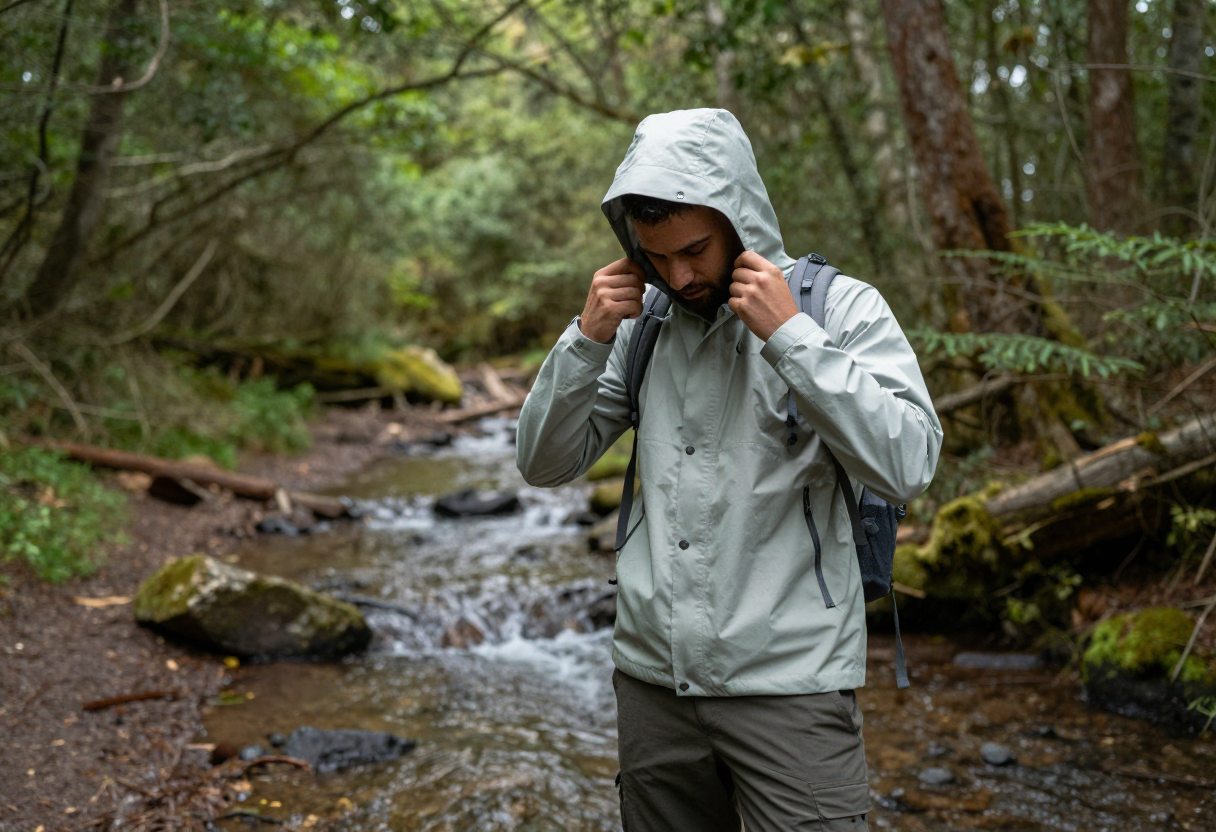
In my experience, one of the most common mistakes beginners make is assuming that "water-resistant" and "waterproof" mean the same thing. They don't. A water-resistant jacket—often found in general outdoor stores without a specific technical focus—is designed to shed light rain or a brief drizzle for about fifteen minutes before it starts soaking through. It’s fine for a casual walk around your neighborhood, but it won't hold up when you are miles from your truck and the clouds turn heavy with moisture.
A true technical shell is built as a barrier. It isn't just designed to make water bead off; it’s engineered to keep wind out and manage sweat moving out. When I talk about "waterproof" in the context of hiking or backpacking, I mean something that can withstand hours of heavy rain and high winds without letting moisture penetrate the fabric. You want a garment that keeps your core dry so you don't get chilled when you stop to rest, not just something that helps you stay relatively dry for a few minutes while walking in a light mist.
The three jacket types you need to know (and which one fits your trip)
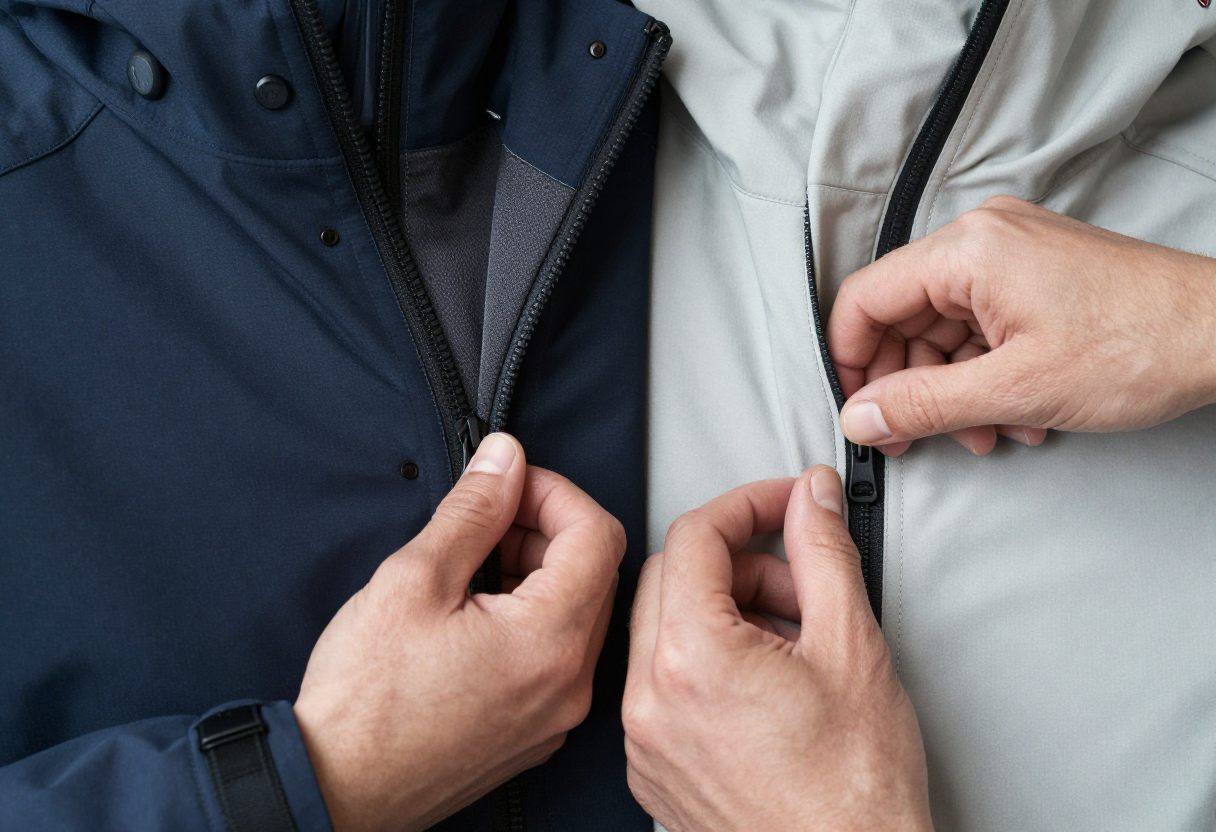
Depending on how far you’re going and what kind of terrain you expect to hit, there are generally three categories of rain shells. Choosing the right one depends entirely on the trade-off between weight and protection.
- Ultralight/Packable Shells: These are designed for high-mileage hiking or backpacking where every ounce in your pack matters. They use very thin fabrics that can be stuffed into a side pocket. They provide great protection against rain but offer less durability—if you're pushing through thick brush, these are easier to snag and tear.
- All-Purpose Shells: This is the "goldilocks" zone for most hikers. These jackets have more robust fabrics and better features like reinforced shoulders or high-quality zippers. They are heavier than ultralight versions but offer a much higher level of durability and comfort for multi-day trips in variable conditions.
- Heavyweight/Expedition Shells: These are the "tanks" of the rain gear world. You’ll see these used more often by hunters or those camping in extreme environments. They have thick membranes and heavy zippers designed to withstand rocks, branches, and severe weather without failing.
Decoding the specs: Waterproofing ratings, breathability, and pack weight
When you look at a spec sheet for a rain jacket, you’ll see numbers that can be confusing if you don't know what they represent in practical terms. The most common metric is the "hydrostatic head" rating (measured in millimeters). While I won't get bogged down in lab testing details, generally speaking, anything over 10,000mm will keep you dry in a heavy rainstorm. For serious backpacking or hunting where conditions can turn nasty quickly, looking for something closer to 20,000mm provides that extra margin of safety.
Breathability is just as important. If your jacket keeps water out but also traps all the moisture from your own sweat inside, you’ll end up in a swampy environment and eventually get chilled. This is why "membrane" technology exists—it allows air molecules to pass through while blocking liquid water. Finally, consider pack weight. A 10oz shell that packs down small is often much more practical for a long hike than a 3lb heavy-duty jacket unless you are stationary in camp or hunting where the extra protection justifies the bulk.
My field experience with jacket failures (and how to prevent them)
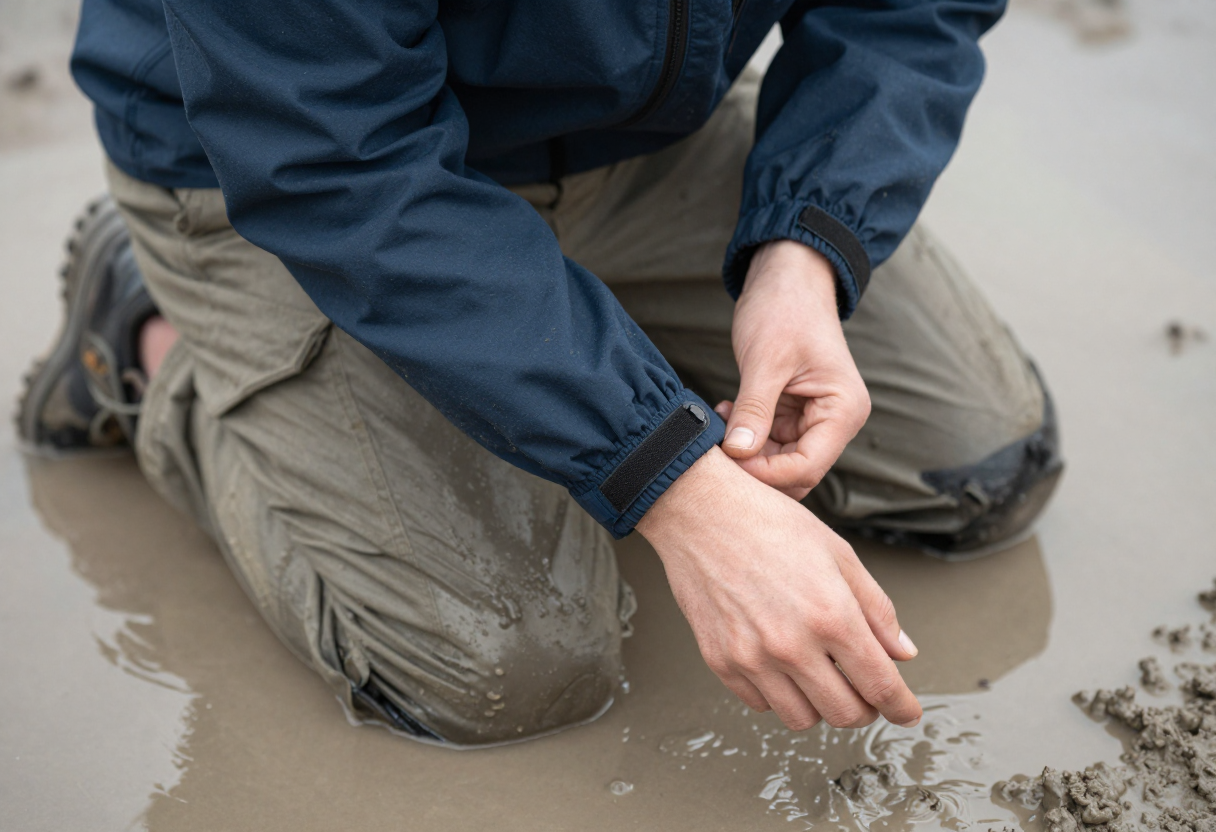
I’ve spent plenty of time out in conditions where my gear was the only thing between me and a miserable, cold day. I've learned that it isn't always the fabric itself that fails; often, it's the construction details. One common failure point is the zipper. A cheap or poorly designed zipper can let rain "wick" into the jacket along the teeth. Look for jackets with taped zippers or a "garage"—a small flap of fabric at the top—to keep water out.
Another issue I’ve seen frequently involves seams. Even if the outer fabric is high-quality, if the internal seams aren't properly taped (sealed with a layer of waterproof tape), rain will eventually seep through the needle holes. This usually happens slowly over several hours as you move and flex your arms. Finally, don't overlook the hood. A poorly designed hood can block your peripheral vision or leave your ears exposed to wind and rain. I prefer hoods that offer good visibility while still providing enough coverage to keep my head dry when the conditions get rough.
Making the call: Choosing your best rain shell for every budget and trip
You don't need a $700 expedition-grade shell just because you’re going on a day hike in the local state park. The goal is to find the right tool for the specific job you have planned.
- For Day Hiking: If your primary use is hiking trails where you can get back to a vehicle quickly, an ultralight or "packable" shell is usually sufficient. It stays dry and light in your pack until you need it.
- For Backpacking/Multi-Day Trips: I recommend a mid-weight all-purpose shell. You want something with durable zippers and taped seams because you’ll be living in this gear for days at a time, and the added durability is worth the extra few ounces.
- For Hunting or Base Camping: If your plans involve staying in one spot during heavy weather or moving through dense brush where snagging on branches is common, invest in a heavier shell with reinforced panels.
If you aren't sure which weight class fits your specific goals, head over to our Gear Finder Wizard to help narrow down the specs based on how often and where you plan to be outdoors.
Inspired by Backpacker Magazine.
About the Author
David Rodgers is the founder and writer behind Country Trailhead — a Marine Corps infantry veteran, Civil Air Patrol colonel, and Eagle Scout based in Oklahoma, drawing on decades of field-tested hunting, fishing, camping, and hiking experience. Read more about David and Country Trailhead →