
Chasing Stars and Planets This Fall
September often brings spectacular celestial views. We'll break down what planets and constellations are visible, when to look, and how to plan your trip around the best show in the sky.
Written by David Rodgers — September 6, 2026
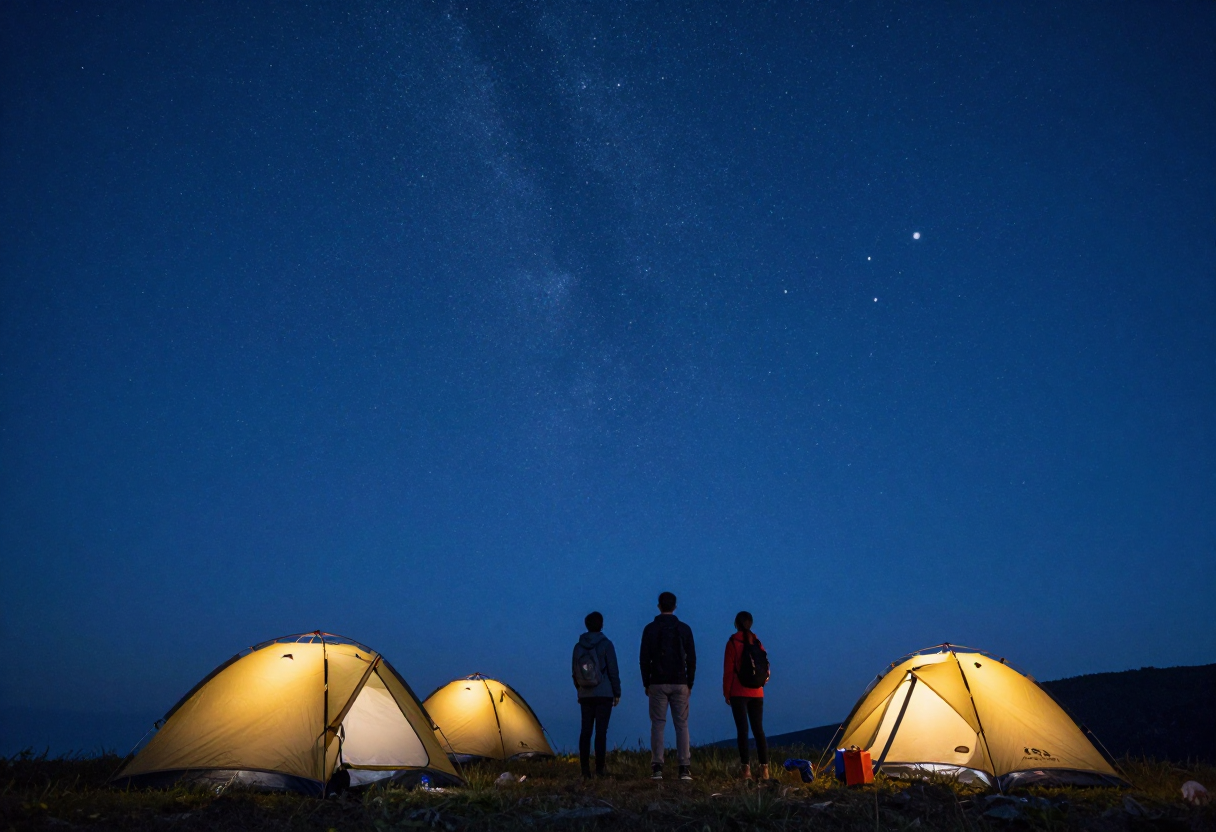
Getting Ready to Look Up: The Basics
Most people start their stargazing journey by buying an expensive telescope and heading into the backyard, only to be disappointed when they can barely see anything through the haze of suburban light pollution. Before you spend a dime on optics, you need to understand the primary requirement for any good view: darkness. If you can see the glow of a nearby town or the glare of streetlights, your chances of seeing faint deep-sky objects are slim. Aiming for a "dark sky" location—even just a few miles away from major hubs—makes a world of difference in how much detail your eyes can pick up.
Patience is your second most important tool. It takes about 20 to 30 minutes for your eyes to fully adjust to the dark. Every time you check a text on your phone or turn on a flashlight, that clock resets. For an easy start, I recommend beginning with just your naked eyes and perhaps a pair of basic binoculars. You don't need a high-powered scope to appreciate the scale of the moon or the movement of nearby planets. Start simple; if you can’t see it with your eyes first, a telescope won't magically make it clear through all that atmospheric haze.
The September Celestial Calendar
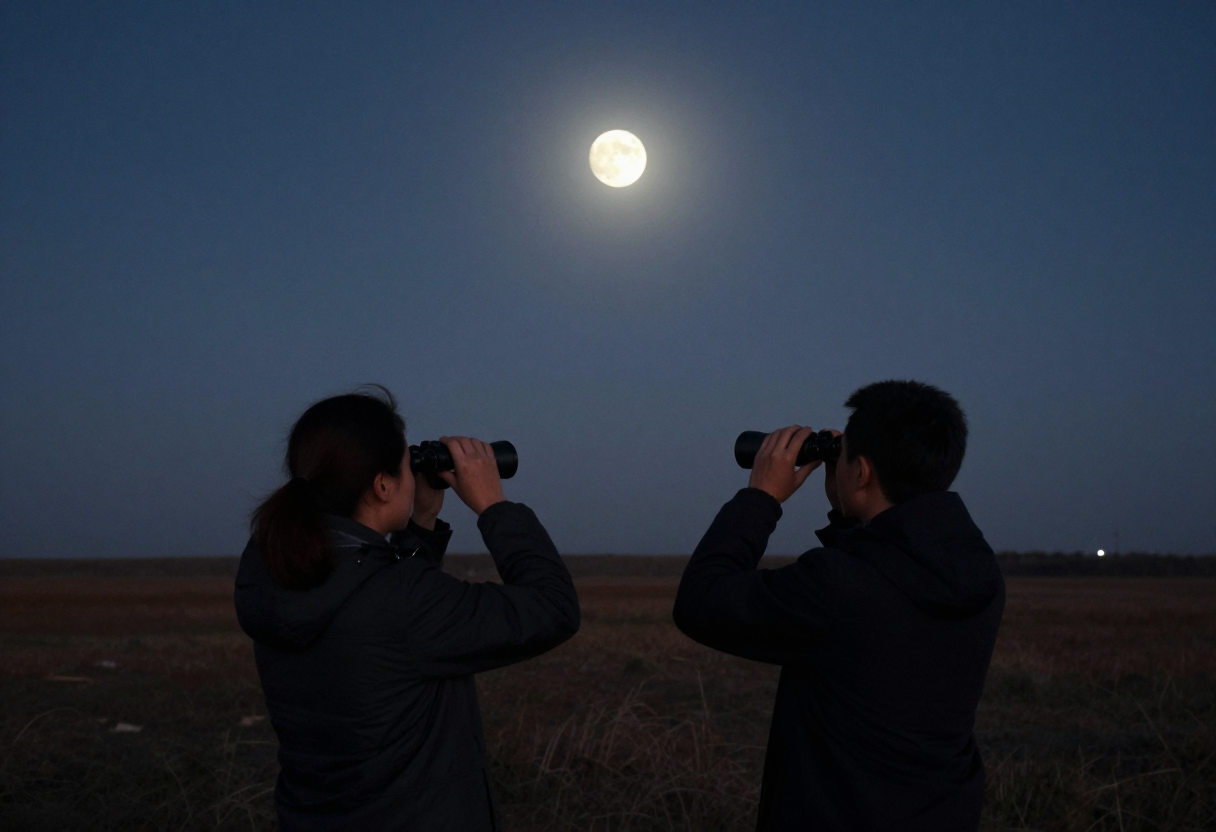
September is one of the most interesting transition months for anyone looking at the night sky. As we move into autumn, many of the bright summer constellations begin to set earlier in the evening, making room for different patterns to take center stage. During this month, you can often catch a clear view of planets like Saturn and Jupiter as they hang prominently in our night sky. These aren't just points of light; with steady conditions, you can see detail on their surfaces that separates them from distant stars.
Beyond the planets, September offers a great window into the "Great Square" of Pegasus and the rich star fields of Andromeda nearby. While specific celestial events vary based on your exact location in the country, this is generally the time when the autumn constellations begin to dominate the overhead view. Looking for these clusters helps you build a mental map of where things are located before they disappear below the horizon. If you're interested in local land access or specific park rules for overnight stays to get those better views, always check your state’s official wildlife agency resources first.
Tips for Finding Your Way Through the Night Sky
Finding what you want to see is a skill called "star hopping." Instead of wandering aimlessly with binoculars—which have a narrow field of view and make it hard to find targets—you start with something easy to identify, like a prominent constellation or a bright planet. From there, you move systematically toward your target. For example, if you know where the Big Dipper is, you can use those stars as "stepping stones" to find others nearby.
When using binoculars, I recommend starting with a pair of 7x50s or 10x50s; they provide enough magnification to see detail while keeping a wide enough field of view that it's easier to stay on target. To keep your night vision intact, avoid using your phone’s screen for navigation once you’ve settled in. If you must use an app to find something, do it quickly and then put the device away so your pupils can dilate again. It takes practice to learn the patterns of the sky, but once you know a few key "anchor" constellations, navigating through the stars becomes much more intuitive and rewarding.
Inspired by EarthSky.
About the Author
David Rodgers is the founder and writer behind Country Trailhead — a Marine Corps infantry veteran, Civil Air Patrol colonel, and Eagle Scout based in Oklahoma, drawing on decades of field-tested hunting, fishing, camping, and hiking experience. Read more about David and Country Trailhead →