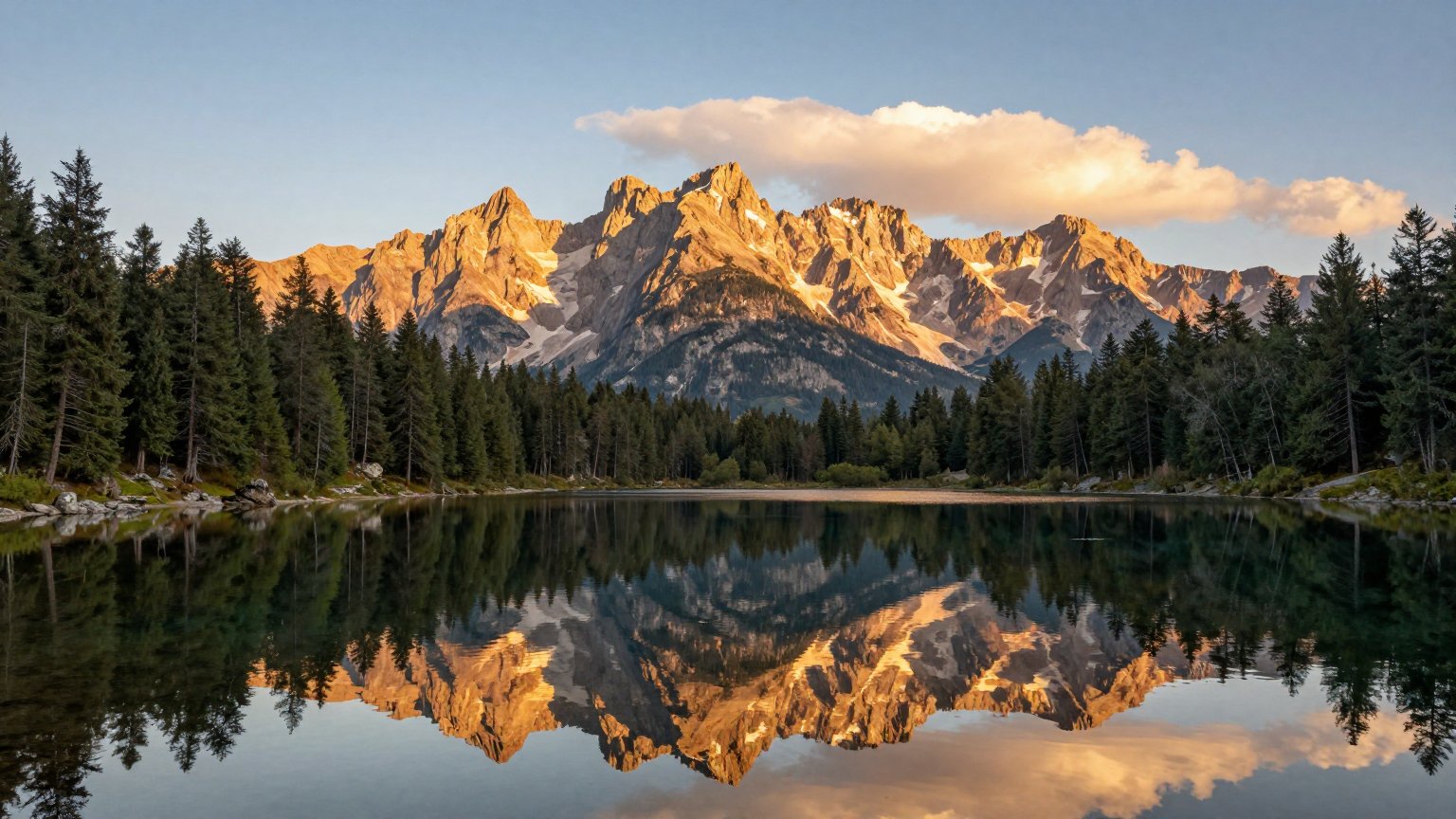

Catching Cosmic Fire: Finding Your Perfect Viewpoint
While space events draw the crowds, planning a trip requires solid ground knowledge. This issue focuses on how to turn an astronomical event into the perfect excuse for a deep dive into remote, dark-sky camping and hiking.
Written by David Rodgers — November 5, 2026
The Hook: When Science Meets Adventure
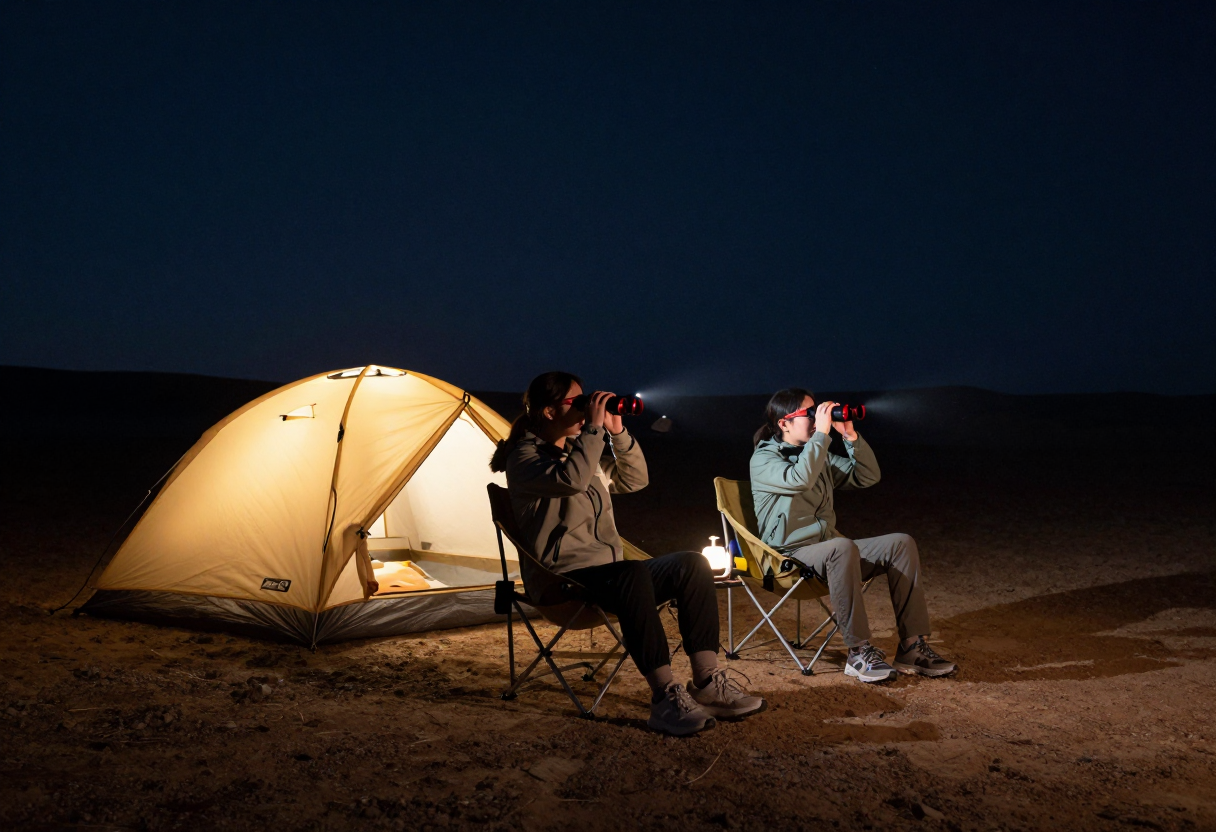
People get excited about events like the Swift spacecraft reentry because they can see it on their phones or a news feed, but there is something different—something more visceral—about seeing a piece of history burn up in the atmosphere while you are miles away from any streetlights. For me, these celestial moments aren't just news; they are excuses to get back into the dirt and sleep under a real sky. If you’re planning on heading out for this specific event, I suggest you don't treat it as a quick "drive-in" trip where you park at a trailhead and watch from your tailgate. To really experience the scale of what is happening above us, it pays to plan an intensive, multi-day wilderness trip. It gives you time to get settled into a remote spot, let your eyes adjust to the dark, and actually feel the isolation that makes stargazing meaningful. Watching the cosmos from a backyard is one thing; experiencing it from the middle of nowhere is another entirely.
Finding the Dark Spot: Choosing Your Viewing Ground
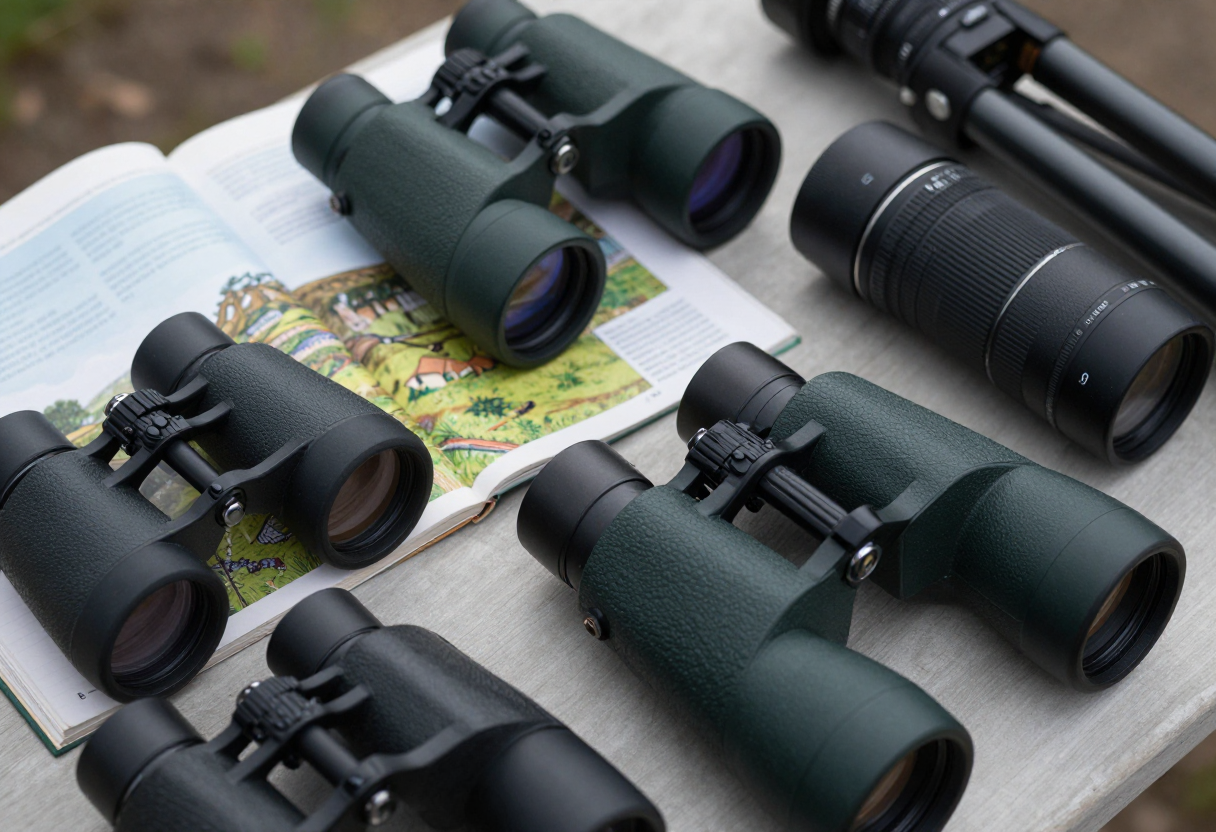
Finding an optimal viewing location involves more than just getting away from your neighbors. You have to consider both light pollution and terrain suitability. I’ve spent enough time on public lands to know that while National Parks offer incredible vistas, they can also be crowded—and crowds bring headlamps, flashlights, and car lights into the mix. If you are looking for true "dark sky" conditions, BLM land or National Forests often provide a better opportunity for isolation.
When choosing your specific site, consider these factors:
- Horizon Visibility: You want an area with clear lines of sight. Dense timber can block your view of lower-altitude celestial events.
- Surface Stability: A flat, level spot is essential for setting up a camp where you won't be constantly adjusting your gear or chairs.
- Access vs. Isolation: Choose a location that provides the darkness you want without making the logistics of getting there unnecessarily difficult.
Beyond the Telescope: Trip Planning Fundamentals for Celestial Events
When you are heading into the backcountry to watch a celestial event, it is easy to get distracted by all the fancy optics—the big telescopes or high-end cameras. However, my experience in the Marines and as an Eagle Scout taught me that your safety and basic logistics always come before your gear list. If you are going remote, self-reliance is your most important piece of equipment. You need a reliable way to navigate back out when it is pitch black, a solid plan for water and fuel, and enough supplies to be comfortable if the weather turns south.
Don't rely solely on high-tech GPS units that might fail in extreme temperatures or lose a signal; always have a paper map and a compass you know how to use. Reliability beats "cool" every single time out here. Make sure your vehicle is prepped for the specific terrain of the remote area you are targeting, and always tell someone exactly where you are headed and when you expect to return.
The Night Before: Preparing Your Camp and Yourself
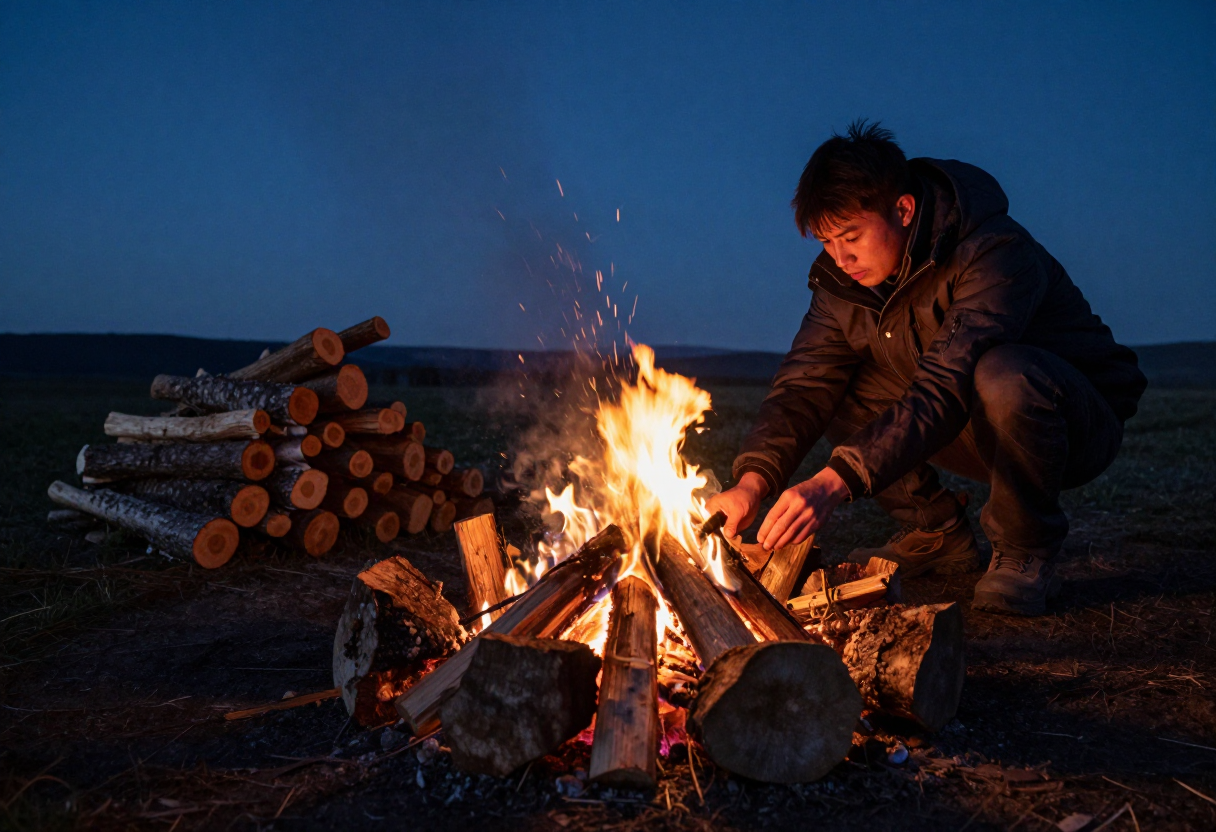
The night before a major viewing event is about minimizing friction so you can focus on the sky once it gets dark. One practical tip I swear by is the disciplined use of red-light headlamps or lanterns. Red light preserves your night vision while allowing you to move around camp safely without blinding yourself or your companions.
If you are heading into an area where cell service is spotty, that is also the time to double-check your land navigation. Practice plotting your route on a map so it becomes muscle memory before you are tired and trying to find a trail in the woods at midnight. If you plan on doing any astro-photography—which involves long exposures and specific settings—get those basics dialed in while there is still light. You do not want to be fiddling with camera buttons for thirty minutes when the peak of the event is happening. Get your gear organized, check your fuel levels one last time, and make sure your site is set up so you can just sit back and watch.
For specific rules regarding camping, fires, or land use in your area, always consult your state's official wildlife agency or the relevant land management office to ensure you are following current regulations.
Inspired by EarthSky.
About the Author
David Rodgers is the founder and writer behind Country Trailhead — a Marine Corps infantry veteran, Civil Air Patrol colonel, and Eagle Scout based in Oklahoma, drawing on decades of field-tested hunting, fishing, camping, and hiking experience. Read more about David and Country Trailhead →