
Calling in Toms When Season is Late and Woods are Quiet
Most people think gobbler calling is a spring activity. We're going to debunk that myth and focus on how advanced scouting, habitat knowledge, and specific fall techniques keep you in the game all season long.
Written by David Rodgers — October 21, 2026
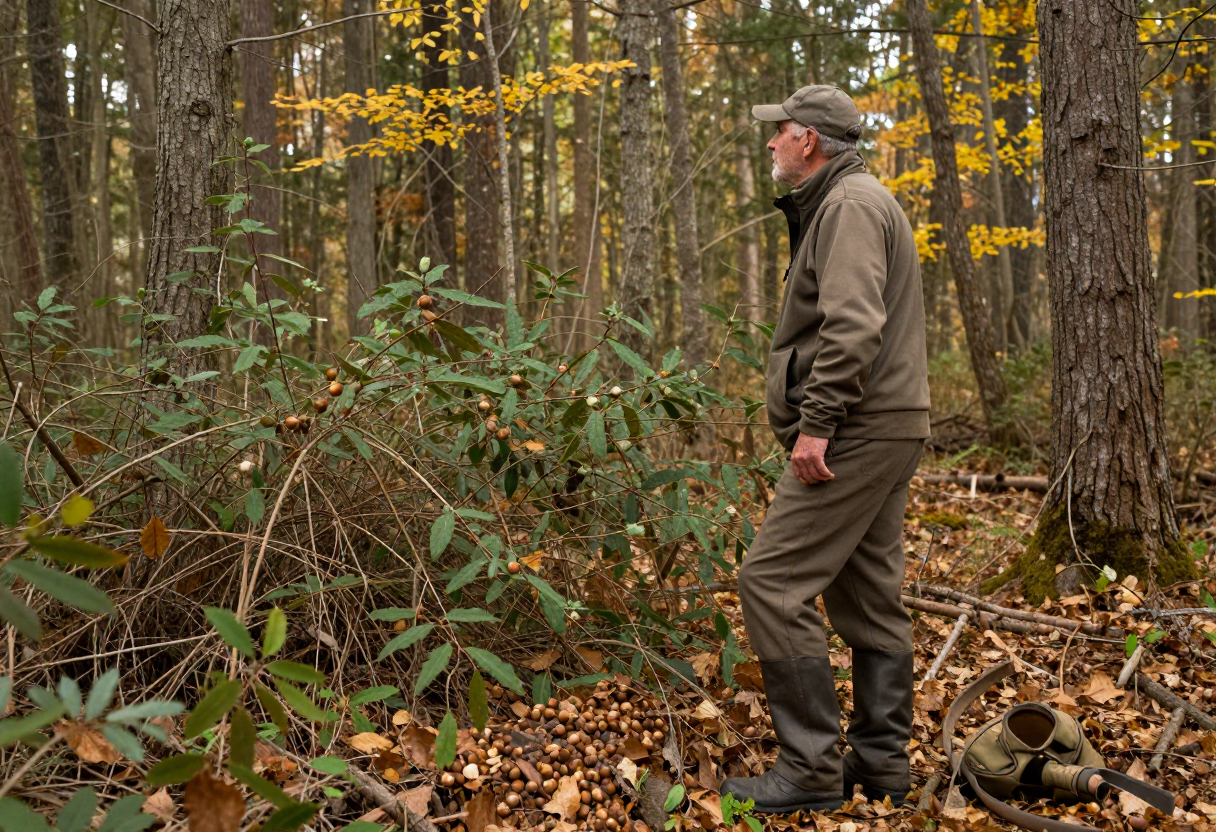
The Myth of the Spring Gobbler: Why Fall Calling Works
There is a common misconception that once the spring brings the heavy musk and the high-energy displays, the window for calling closes. Many hunters believe if you can’t get them moving in April or May, your chances are shot for the rest of the year. I used to fall into this trap early on—thinking my only chance was during those peak mating windows. But that's not how turkeys operate in reality.
In the fall, the motivation shifts from reproduction to survival and food security. While they aren't "performing" as much as they do in the spring, they are still listening and reacting to their environment. A gobbler in October isn't looking for a mate; he’s looking for his next meal or a safe place to roost. When you call in the fall, you aren't trying to spark an argument between males; you’re attempting to start a conversation about food sources. It is absolutely a valid and effective way to hunt if you understand that the "why" behind their movement has changed from biology to calories.
Scouting for Food Sources: Reading the Landscape (Not Just Listening)
If you want success in the late season, you have to stop looking at your map as just a collection of boundaries and start seeing it as a buffet. In the fall, turkeys are highly mobile foragers. They aren't just wandering aimlessly; they are moving toward consistent food sources like mast crops—acorns, hickory nuts, and beech nuts—or high-protein forage that persists after the first frost.
When I’m scouting out my spots, I spend more time looking at the ground than I do listening for birds. You need to identify:
- Mast Zones: Areas with heavy acorn or hickory production.
- Edge Habitats: Where timber meets pasture or field, providing a variety of forage and easy travel.
- Hardwood Stands: Specifically those that offer both food and overhead cover from predators.
Instead of just hoping a bird wanders into your range, you want to put yourself in the places where they have to go to eat. If you find a reliable food source, you aren't just guessing; you’re intercepting their daily routine.
Advanced Calling Techniques: Purring, Cutting, and Conversation
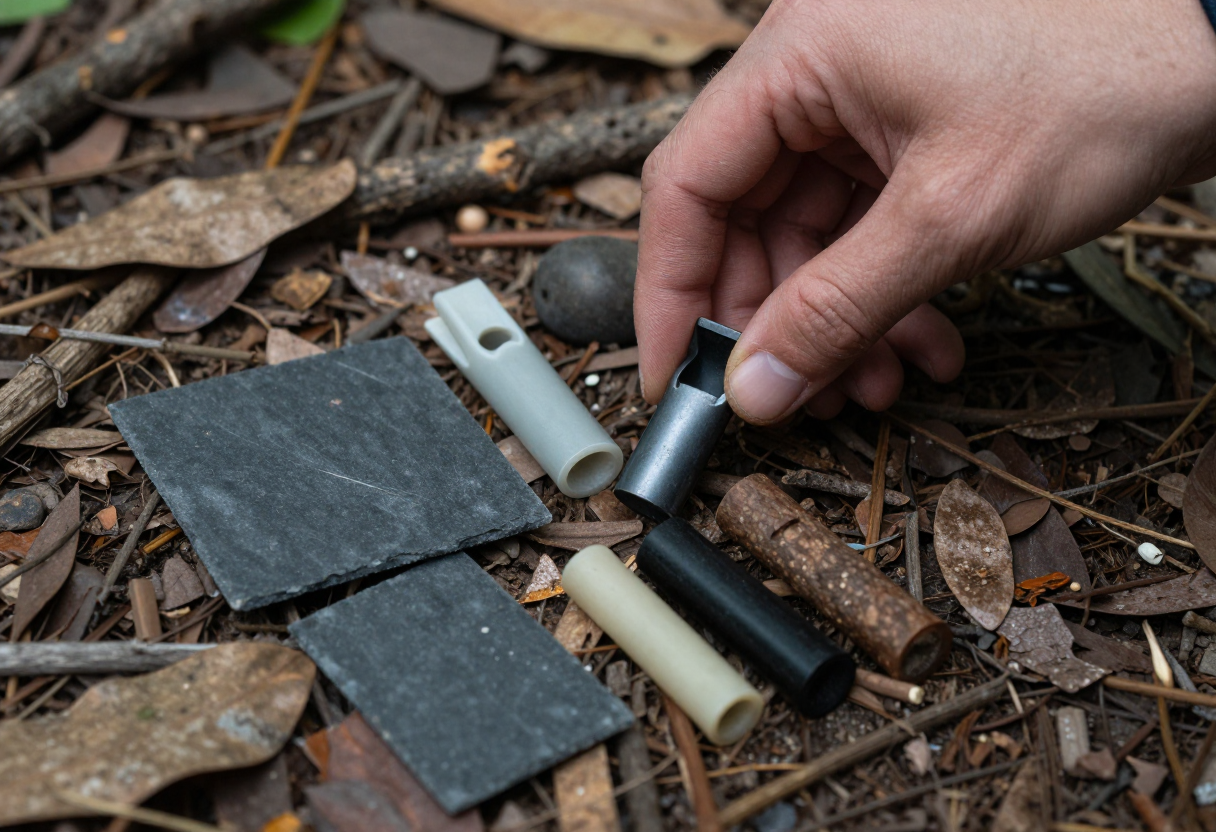
Calling in the fall requires a different toolkit than what most people use in the spring. Because these birds are less "wound up," your calls need to be more nuanced. In the spring, a loud call might get them moving; in the fall, you need to build an invitation. This is where specific techniques like purring and cutting become essential.
A well-executed purr mimics a gobbler who has found something good and wants to stay put but still communicate with his neighbors. It’s about tone and timing. "Cutting" your calls—shortening the duration of a call by slightly altering the phrasing—helps mimic a bird that is moving through different types of terrain or responding to environmental cues.
You aren't just making noise; you are engaging in a conversation. You want to sound like a confident, established male who has found something worth staying for. This often requires high-quality calls that can hold their tone and "break" naturally rather than sounding like they were cut off by an electronic switch. If the call sounds like it’s being interrupted, a savvy fall bird will ignore you every time.
The Pecking Order Challenge: Ethically Reading the Flock Dynamics
One of the biggest mistakes I see hunters make is treating every gobbler as an isolated individual. In reality, turkeys live in social structures with very clear hierarchies. There are dominant males who demand respect and "subordinate" males who follow their lead. Understanding this dynamic changes how you approach your hunt.
When a dominant male is present, he dictates the movement of the group. If you can identify these leaders through your scouting and observation of behavior, you can better predict where the rest of the flock will go. A dominant bird might be more cautious about moving into new territory, while a younger or less-dominant male might move more quickly toward an enticing call.
Ethically speaking, this means understanding how your presence—and the sound of your calls—affects the group's behavior. You aren't just trying to lure any bird; you are looking for the right bird in the right context. Knowing who is leading and who is following allows you to position yourself more effectively based on their likely paths through the timber.
Safety First: Field Discipline When You're Out Late Season
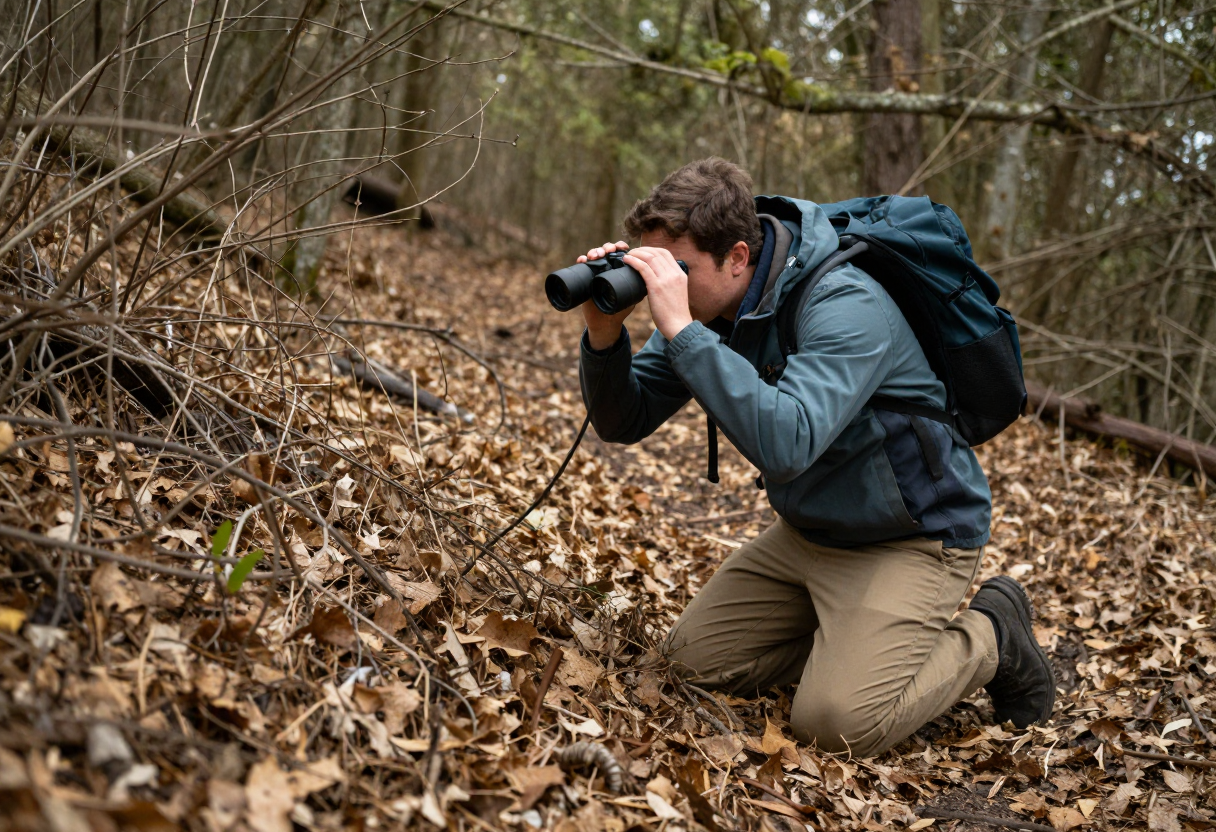
Because I spent years in the Marine Corps and later served as a search-and-rescue officer with the Civil Air Patrol, my approach to safety isn't just about "being careful"—it’s about disciplined preparation. The late season often brings harsher weather, more unpredictable terrain, and longer hours of movement in dense cover. You cannot afford to be complacent because you are focused on a bird.
Safety in the woods comes down to three core pillars:
- Navigation: Always have a reliable way to know where you are. A GPS is great, but knowing how to read a map and use your surroundings as landmarks is a non-negotiable skill when visibility drops or electronics fail.
- Weather Judgment: Be aware of the signs of approaching fronts. In the fall, weather can turn rapidly, turning a pleasant hike into a dangerous situation in minutes.
- Field Discipline: This means practicing responsible firearm handling and staying aware of your surroundings at all times.
While I can offer guidance on how to stay safe in the woods, these are general principles. Always check with your state's wildlife agency for specific regulations regarding hunting seasons, license requirements, and local safety ordinances before heading out. They are the final authority on what is legal and safe in your specific region.
Inspired by Outdoor Life.
About the Author
David Rodgers is the founder and writer behind Country Trailhead — a Marine Corps infantry veteran, Civil Air Patrol colonel, and Eagle Scout based in Oklahoma, drawing on decades of field-tested hunting, fishing, camping, and hiking experience. Read more about David and Country Trailhead →