
Being Lost vs. Being Found: Safety in National Parks
Remote national parks require more than just good hiking boots; they demand thorough preparation, reliable gear redundancy, and understanding the true meaning of a 'plan B.' This issue breaks down what you need to know before heading into deep wilderness.
Written by David Rodgers — September 19, 2026
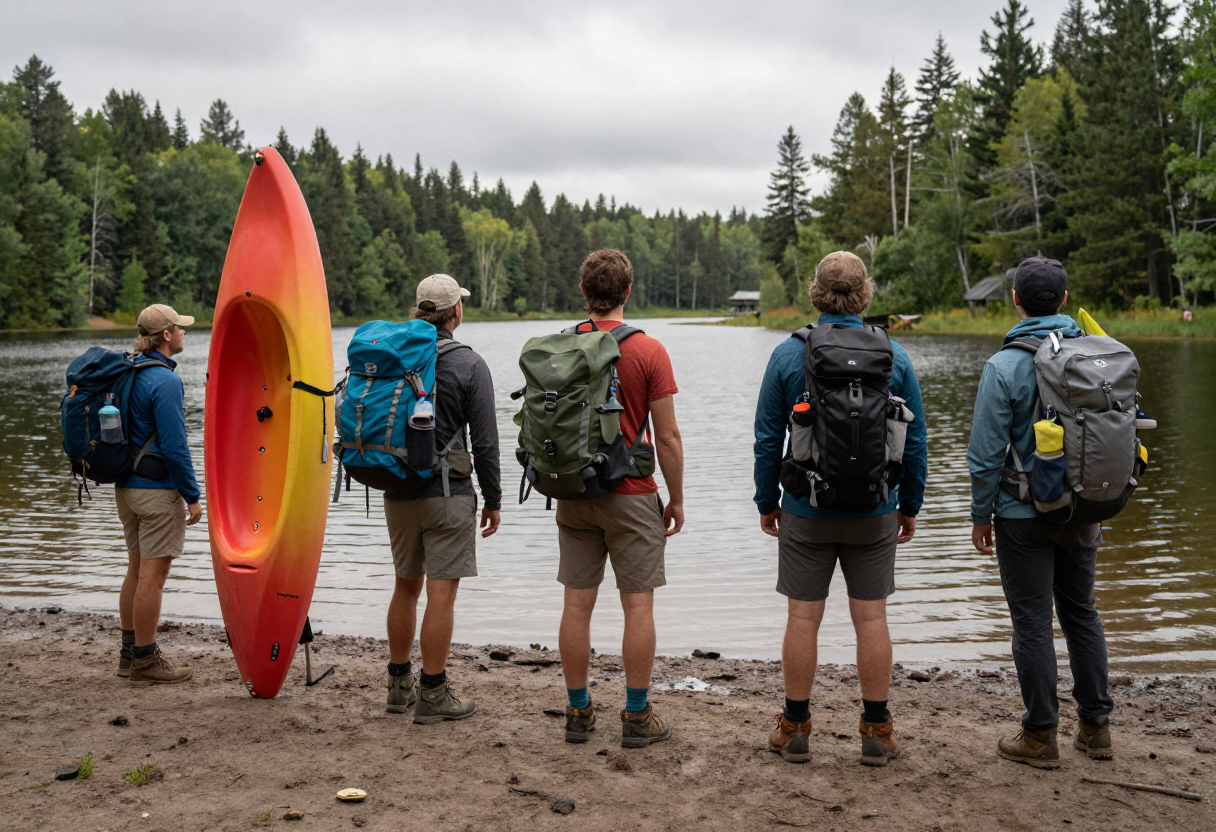
Being Lost vs. Being Genuinely Missing
There is a massive difference between having a bad day in the woods and becoming an emergency situation. In my experience, most people who get "lost" actually just take a wrong turn or lose their bearings for a few minutes while trying to navigate a difficult section of trail. They are still on the map; they’re just not where they intended to be. This is manageable because you know exactly where you are—you just need time to think and re-orient.
The situation shifts from "lost" to "missing" when someone loses their sense of location entirely or moves away from a known point in an attempt to find help. When you don't know where you are, your movements become unpredictable. This is what creates a nightmare for search and rescue teams because it expands the area they have to cover. If you realize you’ve made a mistake but you still have your map, GPS, and a clear sense of your surroundings, stay put. You aren't missing yet; you just need to sit down, drink some water, and figure out your next move before you take another step.
What 'Preparedness' Actually Means in a Remote Park Setting
Preparation isn’t just about having the right gear in your pack; it’s about building layers of redundancy into your plan so that one failure doesn't become a catastrophe. In remote areas, like those found in many National Parks, you have to assume that your primary tools might fail.
Communication and Navigation Redundancy
If you are relying on a smartphone app for navigation, that is your first layer. Your second should be a dedicated GPS device or satellite messenger. These devices don't rely on cell towers, which are often non-existent in the backcountry. Finally, your third layer—the one I always recommend—is a physical map and a compass. If your battery dies or your screen cracks, these tools never fail you.
Group Planning
Preparedness also involves group dynamics. You should know who is leading, what the "turn back" point is for the day, and how you will communicate if someone falls behind. Every member of the group needs to understand the plan so that if a decision needs to be made quickly, everyone knows the protocol. Knowing local rules and terrain-specific hazards also keeps you out of situations where rescue would be difficult or dangerous to coordinate.
The Three Pillars of Survival
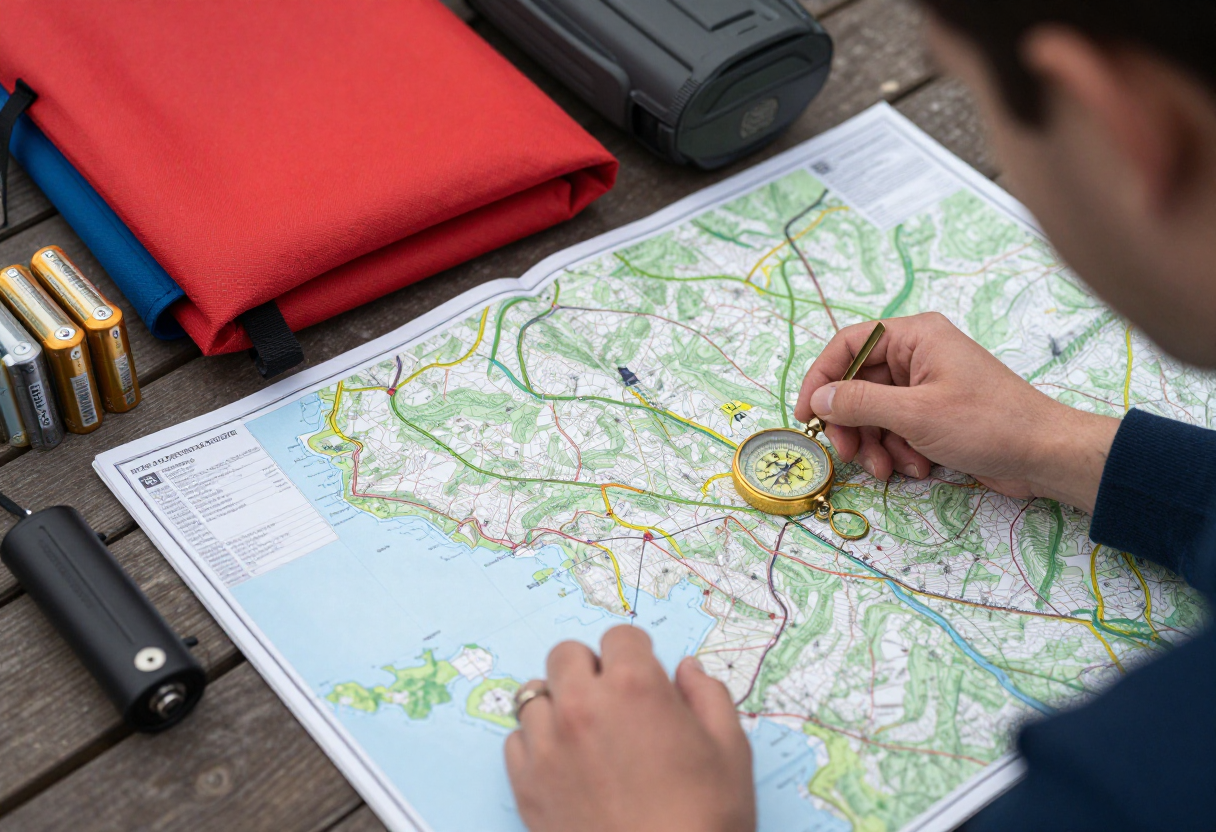
When things go sideways in the backcountry, your focus should shift from "getting home" to "staying safe." This involves three core areas: navigation, signaling, and self-care.
Navigation
Navigation isn't just following a blue line on a screen; it’s about understanding the terrain around you. You need to be able to identify landmarks—like specific peaks, creek crossings, or ridgelines—so that if you do get off track, you can orient yourself relative to those features rather than wandering aimlessly.
Signaling
If search and rescue becomes a possibility, your goal is to make it as easy as possible for them to find you. This doesn't mean waving a flag every few minutes; it means being visible from a distance.
- High-Visibility Gear: Wear bright colors (orange, red, or neon yellow) that stand out against the natural environment.
- Tools: Carry a whistle and a signal mirror. These are simple tools that can be heard or seen across long distances when your voice fails or you need to alert someone nearby.
Self-Care
The most overlooked part of safety is mental clarity. Panic leads to poor decision-making, which often makes situations worse. Self-care means managing your physical needs—staying hydrated and fueled—so that you can keep a level head. If you are forced to wait for help or stay put overnight, staying calm and focused on the basics will be your most important skill.
When to Call for Help (and How)
One of the hardest things for a beginner to do is recognize when they have moved past "frustrated" and into an actual emergency. You don't need to wait until you are in a life-threatening situation to call for help, but you should be intentional about it.
Recognizing the Emergency
You should contact professional search and rescue (SAR) immediately if:
- Someone is injured or unable to move under their own power.
- The weather has turned dangerously severe enough that your safety is at risk.
- You are truly lost—meaning you have no idea where you are on a map or how to get back to the trail.
Coordination and Staying Put
If any of those three conditions are met, stop moving immediately. The most common mistake people make when they realize they are in trouble is trying to "walk it out." Every step you take away from your last known location makes it harder for SAR teams to coordinate their search. If you have a satellite messenger, use the SOS function or send a message with your exact coordinates and a brief description of the situation. Be specific about who is in your group and any injuries sustained. Because regulations and procedures vary significantly by region, always check your state's official wildlife agency website for local requirements before heading out into remote areas.
Inspired by Backpacker Magazine.
About the Author
David Rodgers is the founder and writer behind Country Trailhead — a Marine Corps infantry veteran, Civil Air Patrol colonel, and Eagle Scout based in Oklahoma, drawing on decades of field-tested hunting, fishing, camping, and hiking experience. Read more about David and Country Trailhead →