
Alpha-gal and Beyond: Reading the Signs in the Field
When you get deep into a new habitat, understanding local health risks—like tick-borne allergies—is as crucial as knowing your bear spray protocol. We break down what to look for and when to call a doctor.
Written by David Rodgers — October 24, 2026
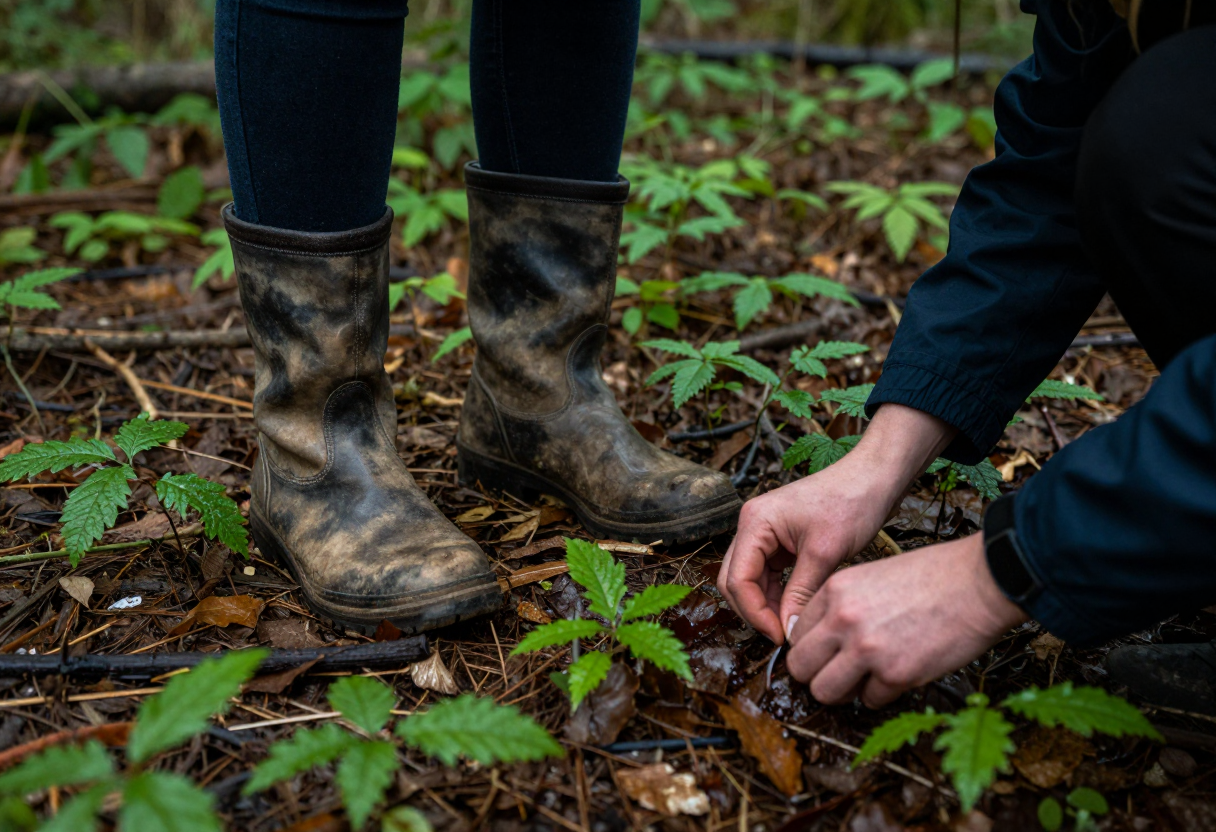
It’s not just about the bite.
Most people think tick safety is a binary situation: either you got bit, or you didn't. If you caught one on your boot and pulled it off before it could do any damage, you’re in the clear. That used to be my mindset too—a "check the gear, check the skin" approach that served me well for years of hiking and hunting. But there is a more complex layer to tick exposure that goes beyond just preventing a localized infection or a standard transmission of Lyme disease. We are seeing an increase in people developing systemic immune responses that can affect your health long after you’ve left the woods and finished your post-trip inspection.
When we talk about outdoor safety today, it has to include these deeper physiological risks. It isn't just about preventing a single bite from becoming an infection; it’s about understanding how certain ticks interact with your body’s immune system in ways that can fundamentally change how you interact with the food you hunt or even basic nutrition. For anyone spending significant time in the brush, moving past "basic" precautions is now a necessity for long-term health.
Understanding the specific risk: What is Alpha-gal?

Alpha-gal Syndrome is a real and growing concern for hunters and campers alike. In plain terms, it’s an allergic reaction to alpha-galactose—a sugar molecule found in most mammals (like deer, elk, and cattle). The irony here is that your body doesn't start out allergic to this; instead, the allergy is often triggered by the bite of certain ticks, specifically the Lone Star tick. When these ticks feed, they essentially "prime" your immune system to see that sugar molecule as a foreign invader.
Once your body makes that connection, it can lead to a situation where eating red meat causes an immediate allergic reaction. For a hunter, this is a significant shift in how we view the sport and the harvest. It’s not just about whether you caught the deer; it's about how your body reacts to the protein once it's on your plate. I’ve seen people get confused by this—they don't understand why they are breaking out in hives or feeling ill after a meal of venison when they’ve never had an issue before. It is a direct result of environmental exposure and how our bodies adapt to the things we encounter in the field.
Field Discipline: Prevention and Physical Checks.
In my time with the Marine Corps and as an Eagle Scout, I learned that safety isn't about luck; it’s about discipline and repeatable processes. When it comes to tick-borne risks, your "system" needs to be more rigorous than just a quick glance at your legs before heading home. You need a deliberate routine for both while you are in the field and once you return to camp or home base.
Gear and Movement Habits
- Pre-treat everything: Use permethrin on your boots, pants, and gear. It’s one of the most effective ways to create a barrier before you ever step into high-risk tall grass.
- Stay on the path: When hiking or scouting, try to stay on established trails where possible. The "deep" brush is where the highest concentration of ticks lives.
- Dress for the environment: Even in the heat, long pants tucked into high boots remain a standard for a reason—it removes the easiest access points for pests.
Post-Trip Inspections
When you get back from a trip, do not just "feel" like you’re clear. Conduct a full inspection of your clothing and skin. Check the "hidden" spots: behind the knees, in the waistband, and under your arms. This isn't just about finding one tick; it's about identifying potential exposure points before they have a chance to settle into your system.
The bigger picture: Habitat changes and conservation ethics.
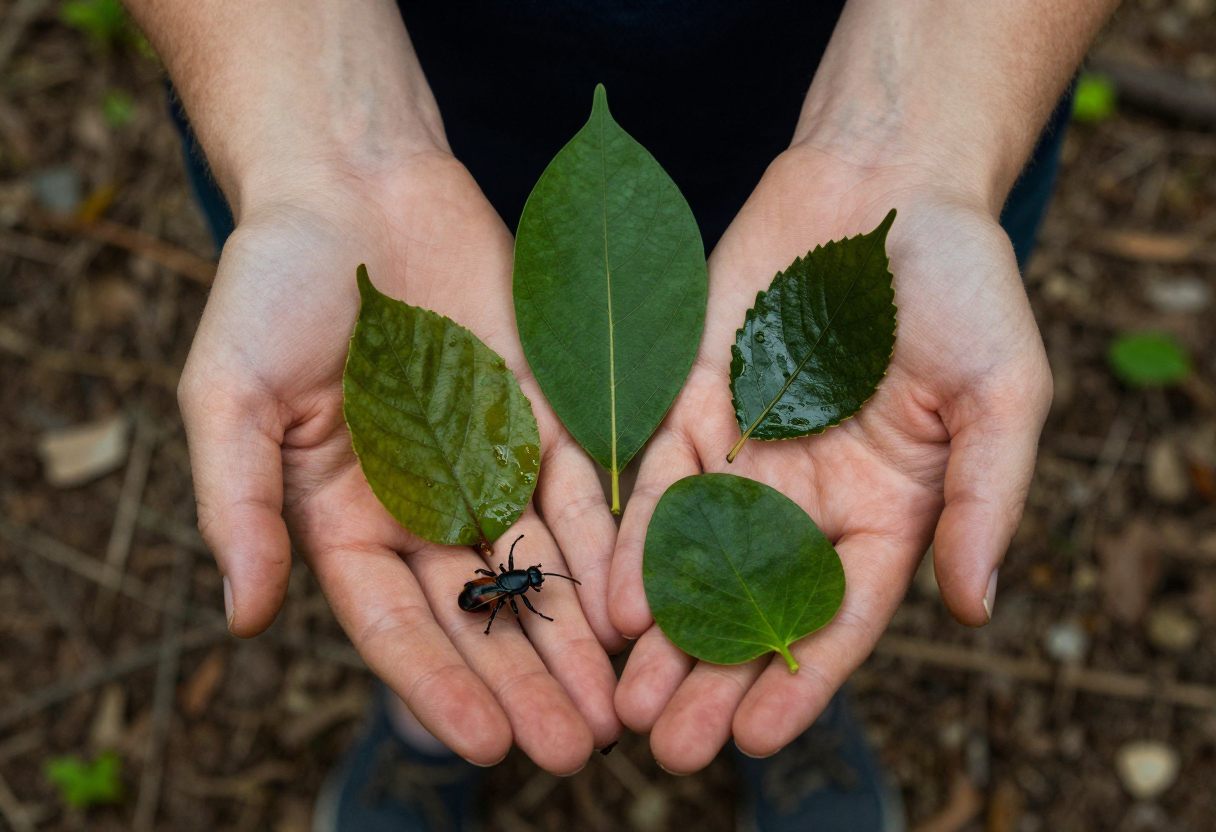
We are seeing these risks increase because our outdoor environments are shifting. Climate patterns are changing, which allows ticks to migrate into new areas and stay active longer into the season than they used to. As someone who spends a lot of time observing the land, I’ve noticed how habitat fragmentation—where forests are broken up by roads or development—can create "edge" environments where both humans and ticks thrive in close proximity.
This puts us in a position where we have to be more observant than ever. Part of being an ethical outdoorsperson is recognizing these environmental shifts and staying informed about what's happening in your specific region. We have a responsibility to stay vigilant, not just for our own safety but as part of the broader conservation effort. If you notice unusual patterns in local wildlife or significant changes in tick activity in areas that were previously clear, reporting those observations to your state’s wildlife agency is an important step. It helps keep everyone—from the casual hiker to the dedicated hunter—informed about the evolving realities of our shared public lands.
If you suspect something is wrong...
I want to be very clear: I am a woodsman and a field guide, not a medical professional. This information is meant to help you stay aware and prepared, but it should never replace the advice of a doctor or an emergency room team. If you are out in the field or have recently returned home and notice symptoms that seem out of place—especially after consuming meat from a hunt—you need to take it seriously.
Recognizing Severe Symptoms
- Immediate Reactions: Watch for hives, itching, swelling, or difficulty breathing shortly after eating red meat or spending time in high-risk areas.
- Systemic Issues: If you experience sudden fatigue, dizziness, or an unexplained fever following a suspected tick bite, seek medical attention immediately.
If you suspect you are developing Alpha-gal Syndrome or any other serious tick-borne reaction, your first move is to contact a healthcare provider and tell them specifically about your recent outdoor activities and exposure to ticks. They can run the necessary tests to determine if your immune system has shifted. Don't try to "tough it out" in the woods; when it comes to internal health hazards, getting professional eyes on the situation is the only responsible move. For specific local guidance on wildlife safety and tick prevalence, always consult your state’s official wildlife agency resources.
Inspired by Outdoor Life.
About the Author
David Rodgers is the founder and writer behind Country Trailhead — a Marine Corps infantry veteran, Civil Air Patrol colonel, and Eagle Scout based in Oklahoma, drawing on decades of field-tested hunting, fishing, camping, and hiking experience. Read more about David and Country Trailhead →