
A Field Guide to September Night Skies.
We're diving into the seasonal night sky guide to pinpoint major planetary and lunar alignments. This isn't just looking at pretty lights; it’s about planning a trip around something you can actually see.
Written by David Rodgers — September 3, 2026
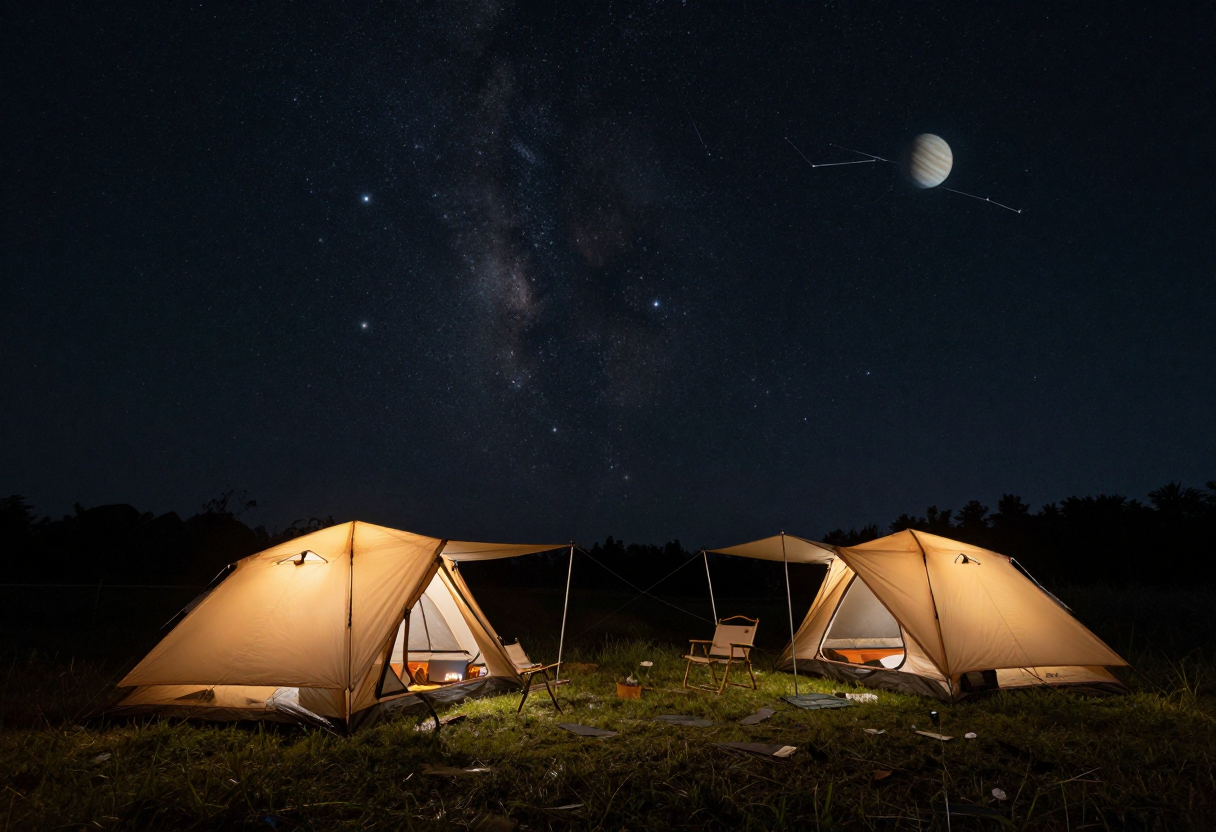
Getting Your Bearings (The Basics)
When we talk about celestial events—like a planet moving into conjunction with the moon or a particular constellation becoming prominent—it can sound like something reserved for astronomers with high-powered telescopes and PhDs. In reality, it’s just another form of navigation and timing. For those of us who spend time in the backcountry, "celestial" really translates to two things: location and patience.
The first hurdle most beginners face is light pollution. You can have the best equipment in the world, but if you're trying to spot a distant planet from a suburban backyard or under a bright city glow, your view will be severely limited. To get any real value out of these events, you need to find "dark sky" locations—areas far enough away from urban centers that the atmosphere isn't washed out by artificial light. Understanding where you are in relation to the horizon and how much time you have before dawn is just as important as knowing what you’re looking for. It’s about finding a spot, settling in, and giving your eyes time to adjust to the dark.
Tracking the Planets: What to Look For This Month
In September, the night sky often offers some distinct targets that are easier to identify than common stars because they don't "twinkle" as much. Because planets have a steady light source, they stand out against the flickering background of distant stars.
The Main Targets
- Mars: Often appears with a distinct reddish hue. It moves predictably across the sky and is usually easy to spot in clear conditions.
- Jupiter: Typically one of the brightest objects in the night sky after the moon. It often serves as a reliable "anchor" point when you're trying to orient yourself.
- Venus: Known as the evening star, it can be incredibly bright. Depending on its position relative to the sun, it may appear shortly after dusk or just before dawn.
When these planets align with the moon—what we call conjunctions—they create a focal point for your observation. For example, seeing Jupiter near a crescent moon provides a great sense of scale and perspective. Don't worry about complex orbital mechanics; just look for those steady points of light that seem to "sit" in place while the rest of the sky flickers.
The Moon's Role in Your Trip Planning
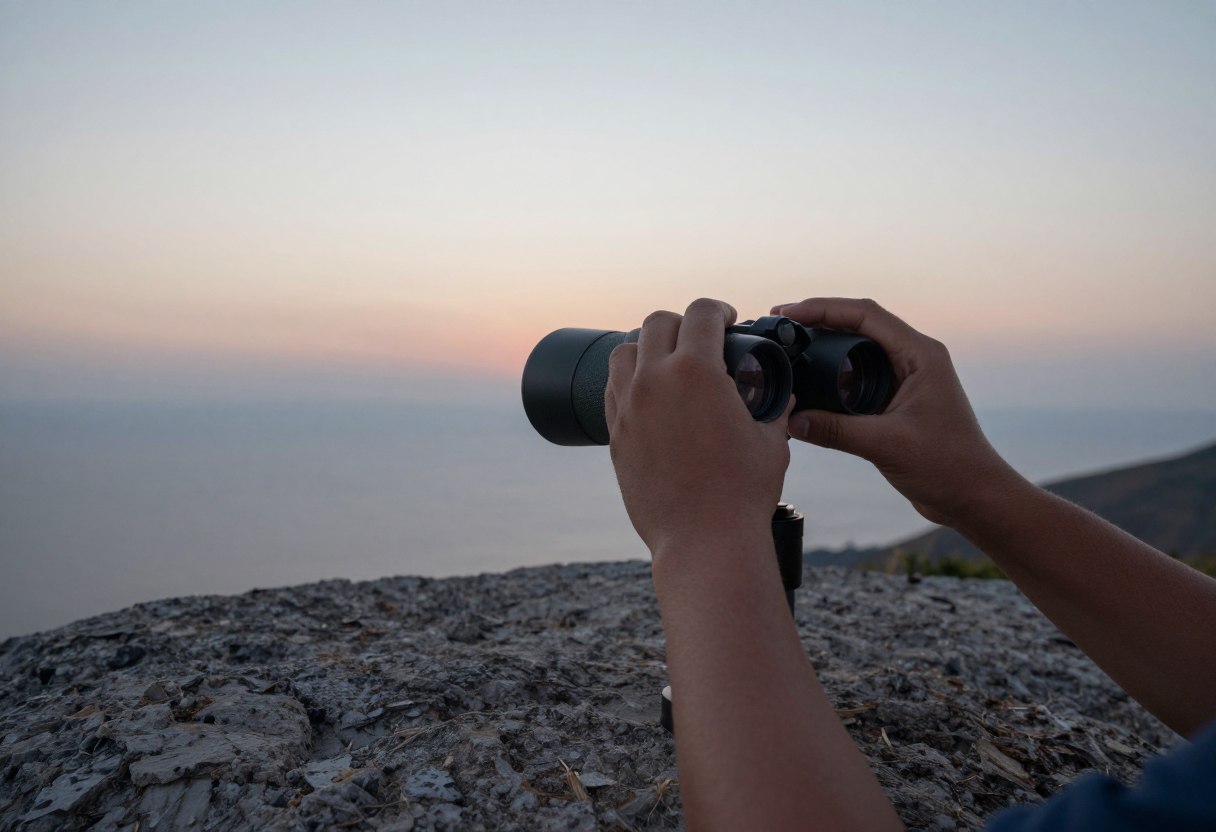
The moon is arguably the most important factor when planning an outdoor trip, but its impact on stargazing is a bit of a double-edged sword. Depending on what you want to see, different phases offer very different experiences.
A full moon provides plenty of light for hiking or navigating through brush at night, making it much safer if you aren't intimately familiar with the terrain. However, that same brightness "washes out" the fainter stars and the Milky Way. If your goal is to see deep-space objects or a dense field of stars, a full moon is actually your enemy; it’s like trying to see stars during the day.
Conversely, a new moon or a thin crescent provides the ultimate canvas for stargazing. The sky will be much darker, allowing you and others to see the faint details of our galaxy. Just keep in mind that when the moon isn't doing the work for you, you need to rely on your own navigation skills and headlamps with red-light filters to preserve your night vision. Always check your local state’s official resources regarding campfire permits or specific park regulations before heading out under a new moon if you plan to stay overnight in remote areas.
Gear Check: What You Actually Need Out There
You don't need a massive, expensive telescope to enjoy the September sky. In fact, for most people just starting out, a high-quality pair of binoculars is far more practical and versatile. Binoculars allow you to scan larger areas of the sky quickly without having to constantly reposition a heavy tripod.
Essential Tools
- Binoculars: A 7x50 or 10x42 pair provides a good balance between magnification and field of view. They are easy to pack and even easier to use while sitting in a camp chair.
- Red-Light Headlamp: This is non-negotiable for any night activity. White light ruins your "dark adaptation" instantly, making it nearly impossible to see faint stars for about 20 minutes after you turn it off. Red light allows you to see where you're going without ruining the view for everyone else.
- A Sturdy Chair: It sounds simple, but being able to sit comfortably while looking upward is a game-changer. You want to be able to stay still long enough for your eyes to adjust and find what you’re looking for.
Skip the "fancy" gadgets that require complex setup unless you already know exactly how you intend to use them. Simple tools, used correctly, will get you further every time.
Planning Your Trip Around the Stars
Integrating celestial events into your trip planning is all about choosing the right moment and the right spot. If a specific planetary alignment is happening in September, look at a lunar calendar first. Decide if you want a "bright" night (full moon) for easy navigation or a "dark" night (new/crescent moon) for maximum stargazing.
Once you've decided on your goal, pick your location based on that choice. A full-moon hike might be perfect for a group of beginners who need more visibility to stay safe on the trail. A new-moon camping trip is better for those looking to experience the scale of the cosmos away from the city lights.
When you're out there, don't just look at your phone. Use an app or a physical star chart to identify what you see, but then put the device away and just observe. If you are planning to hike during these events, remember that terrain is still unpredictable. Always check your state’s official wildlife agency website for specific regulations regarding where you can camp, fire safety rules, and any seasonal closures before you head out. A well-planned trip should start with a clear objective: whether it's the hunt, the catch, or simply watching the planets move across the sky.
Inspired by EarthSky.
About the Author
David Rodgers is the founder and writer behind Country Trailhead — a Marine Corps infantry veteran, Civil Air Patrol colonel, and Eagle Scout based in Oklahoma, drawing on decades of field-tested hunting, fishing, camping, and hiking experience. Read more about David and Country Trailhead →