
Understanding Light Pollution and Finding Dark Sky Locations
The Bortle scale explained, plus real certified dark-sky parks and how to find your own nearby dark spot.
Published August 20, 2026
Why Location Is the Single Biggest Factor in Stargazing
More than any telescope upgrade, more than any technique, the darkness of your sky determines what you can actually see — a dark sky with the naked eye consistently outperforms a good telescope used under a light-polluted suburban sky. Understanding how to measure and find real darkness is arguably the highest-value stargazing skill to build, and it's the subject of this guide.
1. The Bortle Scale: Measuring Sky Darkness
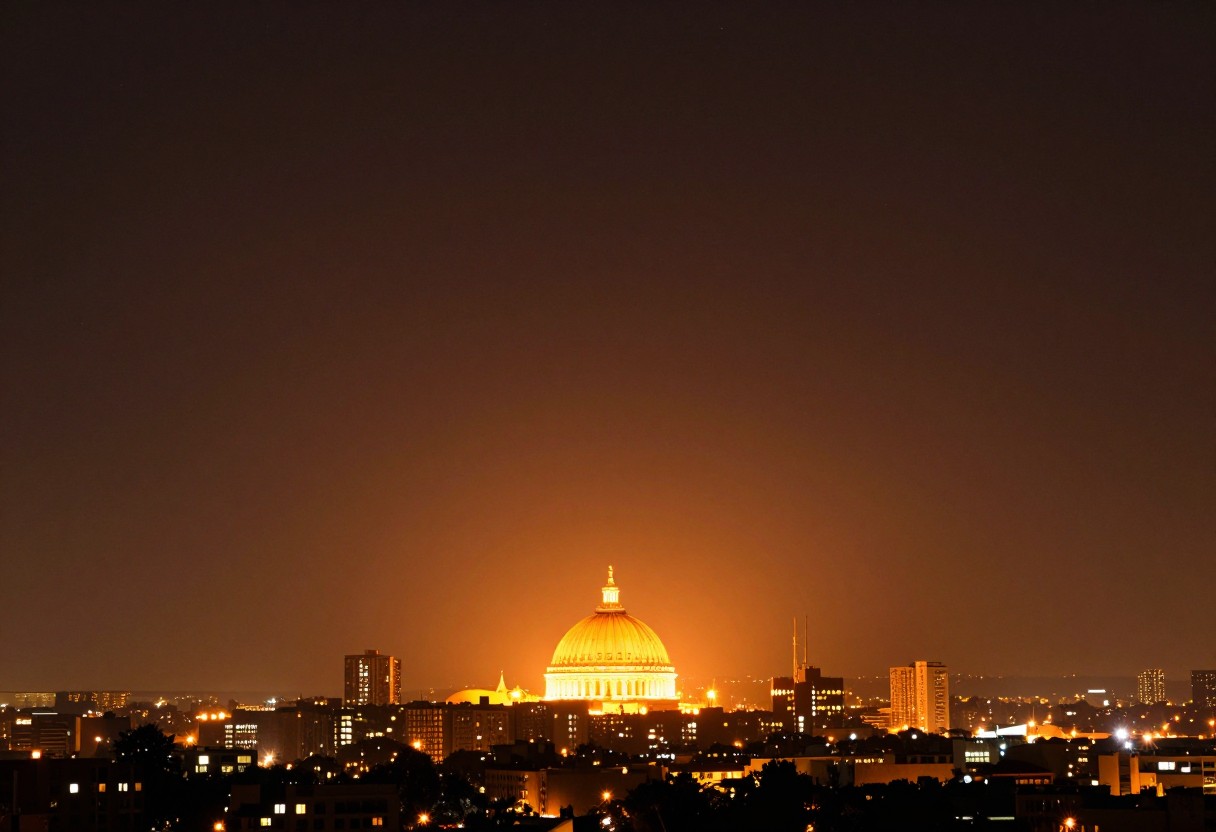
Developed by John Bortle in 2001, the Bortle scale is a 9-level system describing sky darkness based on naked-eye limiting magnitude (how faint a star you can see) and what's actually visible at each level.
| Class | Description | What's Visible |
|---|---|---|
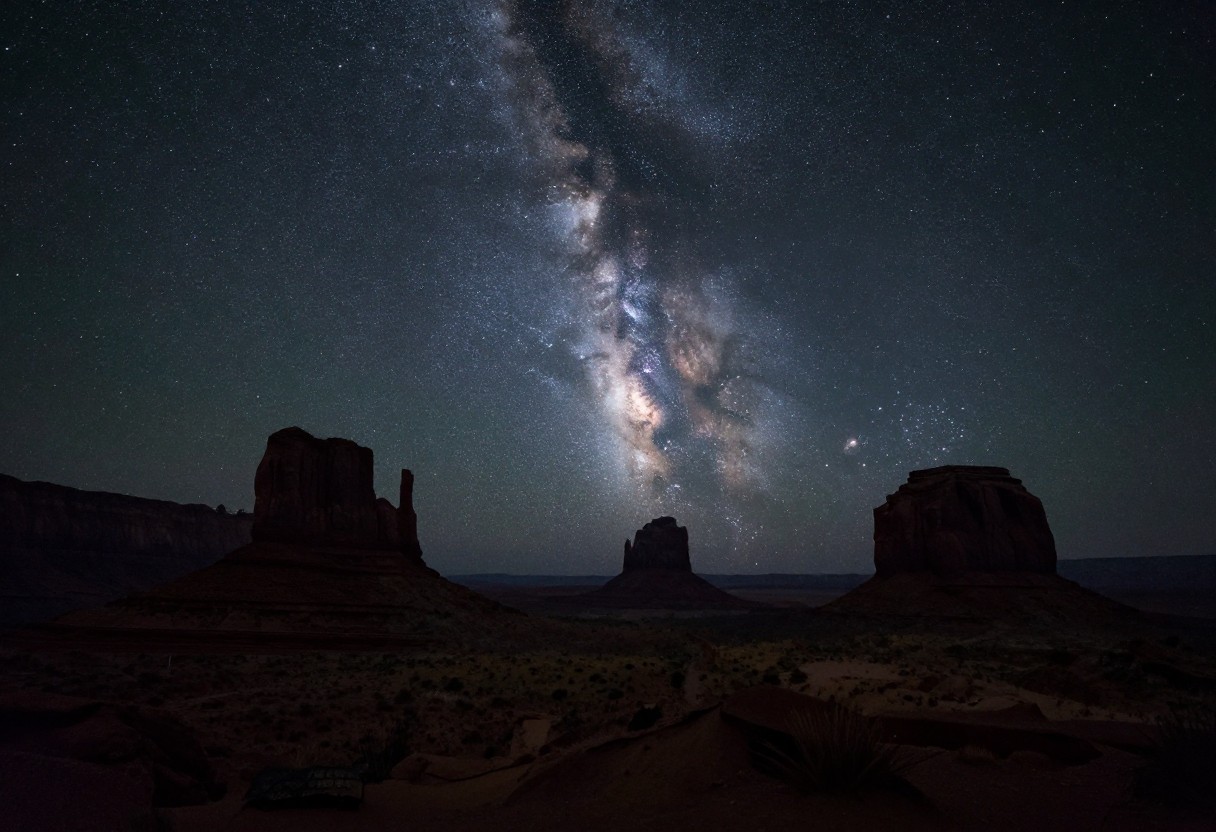
| 1 — Excellent dark-sky site | The darkest skies that exist | Zodiacal light and gegenschein visible; the Milky Way can cast faint shadows |
| 2 — Typical truly dark site | Genuinely rare in the continental US | Summer Milky Way highly structured to the naked eye, looks like "veined marble" through binoculars |
| 3 — Rural sky | Some light pollution at the horizon | Milky Way still shows considerable structural detail |
| 4 — Rural/suburban transition | Light domes visible from nearby cities | Milky Way visible but lacks fine detail |
| 5 — Suburban sky | Common in populated areas | Milky Way only visible near zenith and washed out elsewhere; no zodiacal light |
| 6 — Bright suburban sky | Common near mid-size towns | Milky Way very washed out, visible only if you know exactly where to look |
| 7 — Suburban/urban transition | Common near cities | Milky Way invisible or nearly so; sky glows grey-white |
| 8 — City sky | Typical of most US cities | Sky glows white/orange; only bright stars and planets visible |
| 9 — Inner-city sky | Downtown urban cores | Sky bright enough to read by in places; almost no stars visible |
Don't Skip This: A practical heuristic worth remembering: if you can clearly see the Milky Way as a distinct band, you're at roughly Bortle 4 or better. This single test tells you more about your actual viewing conditions than any other quick check, and it's a useful way to evaluate a new location the first time you're there.
2. Finding Your Local Sky Darkness
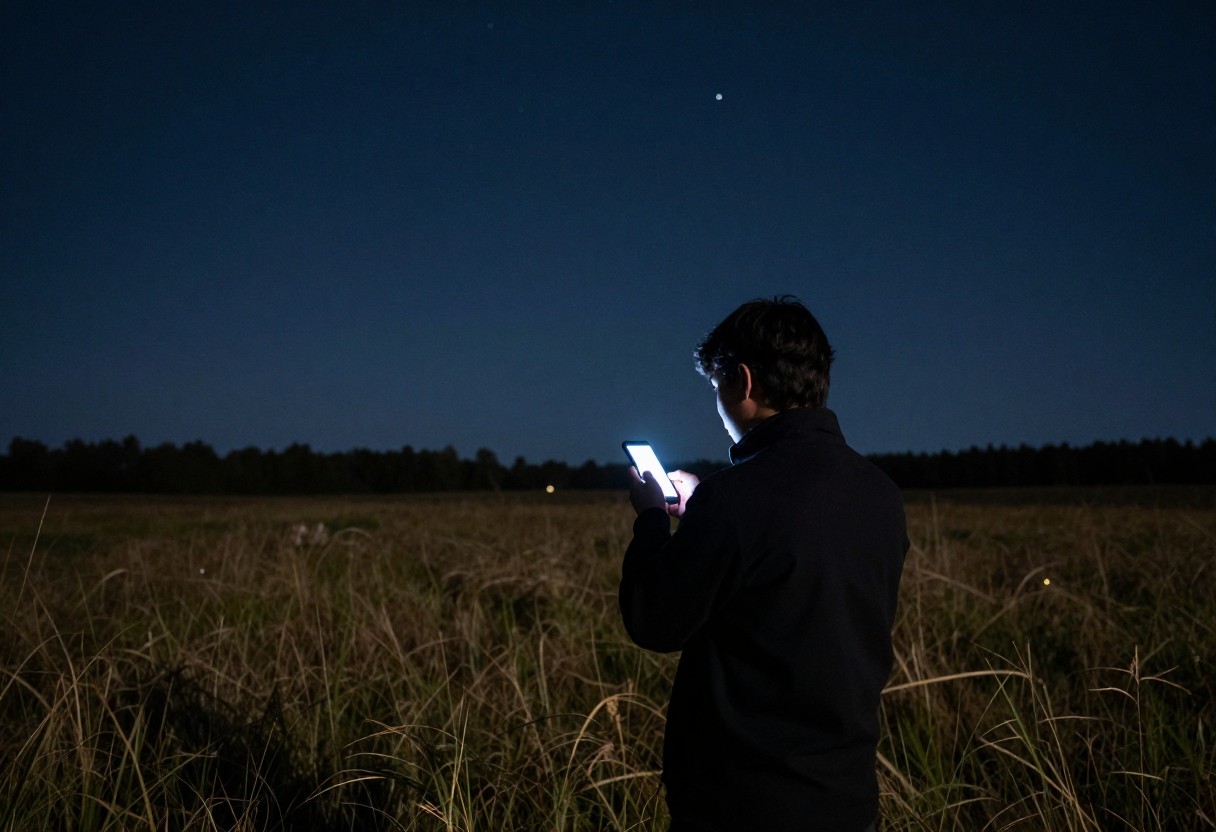
- Light pollution maps let you check the Bortle class or a related brightness measurement for any specific location before you drive there, using satellite-derived light emission data — a genuinely useful planning tool rather than guessing based on how far a spot "feels" from town.
- Even a modest drive away from direct light sources makes a real difference — moving a few miles from a town's edge can shift you a full Bortle class or more, meaning a meaningfully darker sky doesn't necessarily require hours of travel.
- Check a map before committing to a specific spot, since light domes from distant cities can still affect a location that otherwise looks remote on a road map — actual sky darkness data is more reliable than distance-from-town intuition alone.
3. DarkSky International Certifications
DarkSky International (formerly the International Dark-Sky Association, or IDA) certifies locations across five categories based on darkness, protection, and public accessibility:
- International Dark Sky Parks — public or private land with permanent public access, formally protected for its night sky quality.
- International Dark Sky Reserves — larger multi-landowner partnerships combining a dark core area with a managed buffer zone.
- International Dark Sky Sanctuaries — very remote sites facing minimal nearby light-pollution threats, often the darkest certified category.
- International Dark Sky Communities — towns and cities that have adopted and enforced dark-sky-friendly lighting ordinances.
- Urban Night Sky Places — sites near or within urban areas that still preserve a genuine night-sky viewing experience despite their surroundings.
4. Real Certified Dark Sky Locations to Know
This isn't an exhaustive list, but a starting reference across different US regions — always confirm current access rules and hours before visiting, since these can change.
| Location | Region | Notes |
|---|---|---|
| Cherry Springs State Park, PA | East | Certified in 2008, one of the oldest Dark Sky Parks in the world, with a near-360° horizon view |
| Big Bend National Park, TX | South/West | Paired with the Greater Big Bend International Dark Sky Reserve — at roughly 9 million acres, the world's largest dark sky reserve and the first binational one |
| Death Valley National Park, CA | West | A certified Dark Sky Park with exceptionally dark, remote desert skies |
| Headlands International Dark Sky Park, MI | Midwest | Certified in 2011, located on Lake Michigan |
| Middle Fork River Forest Preserve, IL | Midwest | Illinois' only certified Dark Sky Park |
A full, current list of certified locations is maintained on DarkSky International's own site (darksky.org) — worth checking directly for locations near a specific trip, since new sites are certified regularly.
5. You Don't Need a Certified Park to Get a Good View
- Certified dark-sky parks are excellent destinations, but they aren't a requirement for meaningfully better stargazing than a backyard in a populated area — any location with a real drop in nearby light sources helps.
- Existing camping and hiking destinations often double as good stargazing spots, especially remote public land already chosen for other reasons — checking a light pollution map for a campsite you're already planning to visit is a low-effort way to add a stargazing session to an existing trip.
- Public land in general (national forests, BLM land, state parks away from developed areas) frequently offers a meaningful darkness improvement over suburban and even many rural residential areas, without requiring a trip specifically planned around a certified dark-sky designation.
6. Practical Considerations When Choosing a Spot
- Check for a clear, unobstructed horizon where possible, especially if you're hoping to see the Milky Way's core low on the horizon during certain seasons — a site surrounded by tall trees or terrain can block otherwise-dark sky.
- Consider access and safety the same way you would for any nighttime outdoor activity — a known, legally accessible location with safe parking and a plan for the return trip matters as much as raw sky darkness.
- Distant light domes can still wash out a horizon-level view even at an otherwise dark site — checking a light pollution map's wider view (not just the brightness rating at your exact pin) helps anticipate this.
- Weather and elevation both affect what you'll actually see independent of light pollution — clear, dry, stable air (common at higher elevations) generally produces steadier, sharper views than humid or turbulent lower-elevation air, even at the same Bortle class.
7. Common Mistakes
- Assuming a location is dark enough based on distance from town alone, without checking an actual light pollution map or Bortle rating.
- Not accounting for distant city light domes, which can still degrade a horizon view at an otherwise reasonably dark site.
- Overlooking existing camping/hiking destinations as stargazing opportunities, assuming a special, separate trip is required.
- Choosing a site with an obstructed horizon when the goal is specifically viewing the Milky Way's core or other low-horizon targets.
- Not verifying current access rules for a certified dark-sky park before visiting, since hours and permitted access can vary by location and season.
Quick Decision Checklist
- I understand the Bortle scale and can roughly judge my sky by whether the Milky Way is visible
- I've checked a light pollution map for my planned location rather than guessing based on distance from town
- I've considered whether an existing camping/hiking trip could double as a stargazing opportunity
- I've checked for a clear, unobstructed horizon if targeting low-horizon objects like the Milky Way's core
- I've confirmed current access rules for any certified dark-sky park I'm planning to visit
Glossary
- Bortle Scale: A 9-level scale (Class 1 darkest, Class 9 brightest) measuring night sky darkness based on naked-eye limiting magnitude and what's visible at each level.
- Light Dome: The glow of light pollution visible above a populated area, extending well beyond its physical boundaries and capable of affecting sky darkness at a meaningful distance.
- DarkSky International: The organization (formerly the International Dark-Sky Association) that certifies dark-sky parks, reserves, sanctuaries, communities, and urban night sky places worldwide.
- Naked-Eye Limiting Magnitude (NELM): A measurement of the faintest star visible to the unaided eye at a given location, used as one basis for the Bortle scale.
Final Takeaway
Sky darkness matters more than any single piece of gear, and understanding it — via the Bortle scale, a light pollution map, and awareness of nearby certified dark-sky locations — is the highest-value skill in stargazing. You don't need a certified park for a real improvement over a light-polluted backyard; even a modest drive to check a light pollution map's rating for a nearby spot, or simply choosing camping and hiking destinations with darkness in mind, will meaningfully improve what you can see.
Light pollution levels, park access rules, and certification status can change — check a current light pollution map and the relevant park or land management agency's current rules before planning a trip.