
Essential Stargazing Gear and Accessories
Red flashlights, star charts, warm layers, and the small accessories that make a real difference outdoors.
Published August 20, 2026
Why the Small Accessories Matter as Much as the Optics
A telescope or binoculars get most of the attention in stargazing gear discussions, but the accessories covered in this guide — proper lighting, warm layers, a comfortable way to observe for extended periods, and a few other small items — are frequently what actually determines whether a session is comfortable and productive or a cold, frustrating, cut-short experience. None of this gear is expensive or complicated, but it's genuinely easy to overlook until you're standing outside without it.
1. Red Flashlights: Protecting Your Night Vision
- Your eyes' low-light sensitivity depends on dark adaptation, a roughly 20–30 minute process that any bright light exposure can substantially reset — covered in full detail in a dedicated beginner guide, but the practical takeaway here is that your lighting choice directly protects or undermines that adaptation.
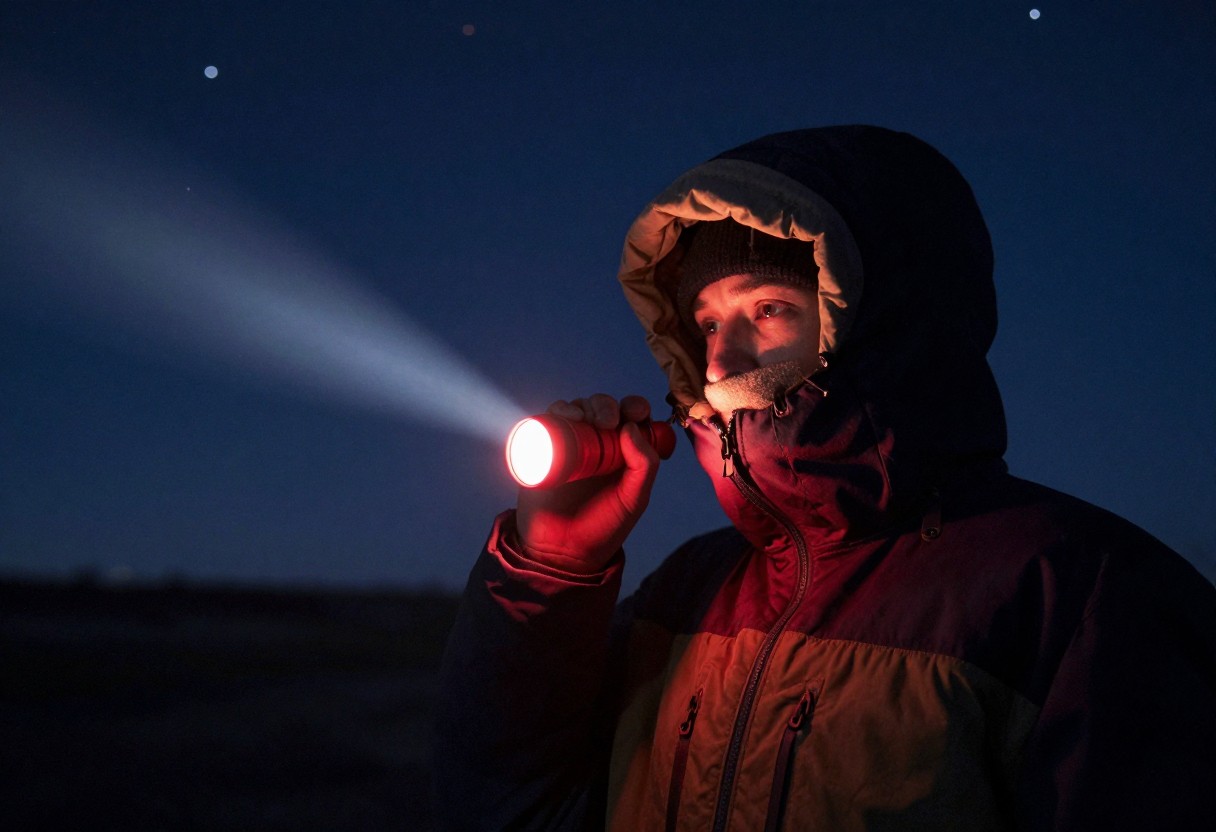
- Red light specifically (not just dim light) is the key detail. The eye's rod cells, responsible for low-light vision, are far less sensitive to long-wavelength red light than to white light, letting you read a star chart or adjust gear without significantly disrupting your night vision the way even a dim white light would.
- A dedicated red flashlight, or a headlamp with a red-light mode, is genuinely one of the highest-value small purchases in this entire guide — inexpensive, and directly protective of the thing (dark-adapted vision) that determines how much you actually see.
- If observing with others, agree on red-light-only use for the group — one person's white flashlight resets everyone's adaptation, not just their own.
Don't Skip This: A regular white flashlight or an unadjusted phone screen at full brightness can undo up to 30 minutes of dark adaptation in seconds. This is one of the most common, entirely avoidable ways a beginner's stargazing session gets worse partway through — bring a red light, and dim your phone screen (many phones have a built-in red/night-shift display mode) before checking it outdoors.
2. Star Charts and Planispheres: A No-Battery Backup
- A planisphere (a rotating disc showing the visible sky for any date and time throughout the year) is a reliable, zero-battery way to identify constellations and plan what's visible on a given night — genuinely useful as a backup to an app, not just a novelty.
- Printed star charts for specific seasons or events (like an upcoming meteor shower) are worth having alongside app-based tools, since a dead phone battery shouldn't end your ability to navigate the sky.
- Apps are covered in a dedicated guide, but the core point here is redundancy — a phone-only approach has a real, if uncommon, failure mode that a simple printed backup avoids entirely.
3. Dressing for a Stargazing Session
- Layering principles apply directly (see a dedicated cold-weather layering guide for full technique) — a base, mid, and shell layer system, avoiding cotton, remains the foundation even for a session that starts on a warm evening.
- Stargazing is a stationary activity, unlike hiking, which means your body isn't generating warmth through movement — dress meaningfully warmer than you would for an equally cold but active outdoor activity.
- Fingerless gloves are a popular practical choice, preserving enough dexterity to adjust a telescope, operate a phone, or handle small accessories while still providing some warmth.
- A hat is genuinely high-value even in mild conditions, given how much perceived heat loss happens through an uncovered head during extended stationary time.
4. Comfort Gear: Chairs and Ground Setups
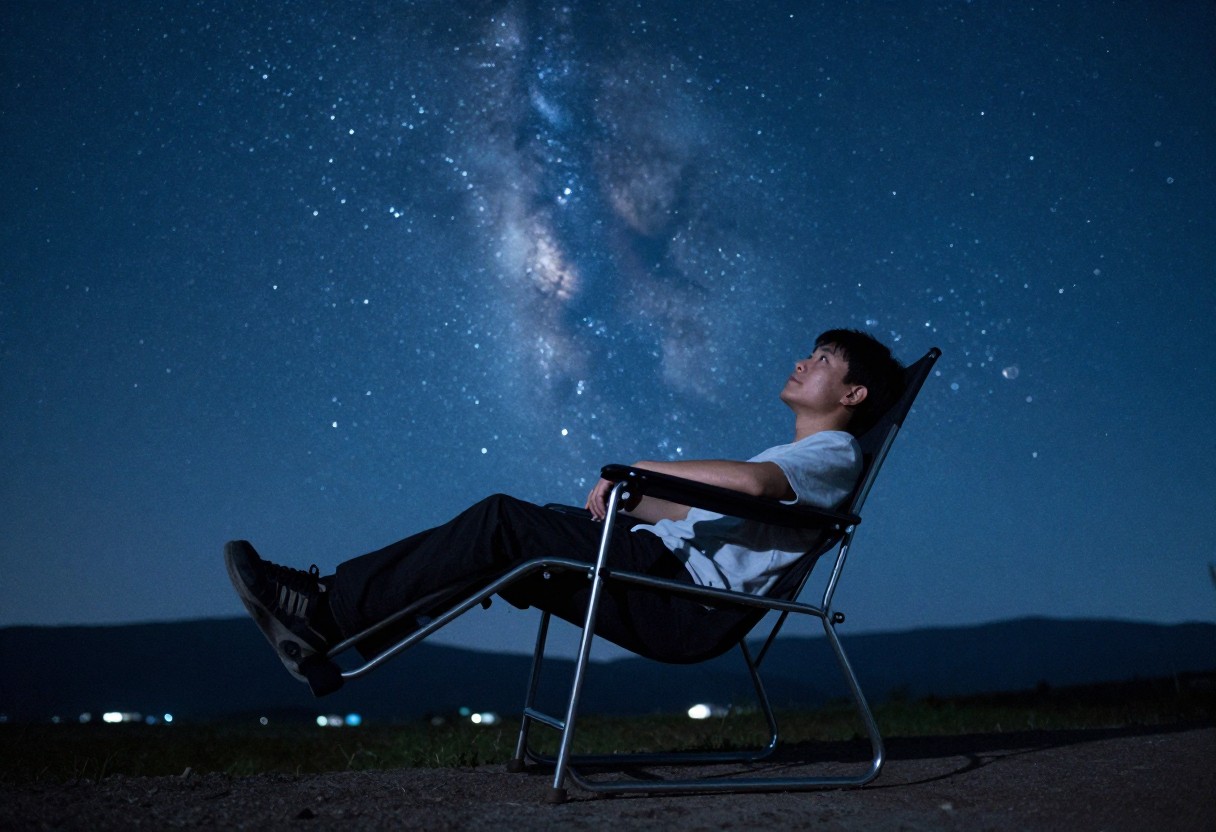
- A reclining "zero-gravity" or dedicated astronomy chair meaningfully improves comfort for extended naked-eye or binocular sessions, letting you look up for long periods without neck strain — a genuinely underrated comfort upgrade for anyone stargazing regularly.
- A ground pad or blanket adds insulation from cold ground if you're lying down to observe, since ground contact conducts heat away from your body significantly faster than air does.
- A thermal or emergency blanket is a low-cost, packable addition worth keeping in a stargazing kit specifically, given how much colder a stationary session can feel compared to an active one at the same temperature.
5. Tripods and Stabilization
- A tripod is essential for cameras and highly recommended for binoculars used for extended sessions, removing hand shake entirely and letting you observe or photograph for longer without fatigue.
- A simple binocular tripod adapter is an inexpensive accessory that attaches most standard binoculars to any camera tripod — a worthwhile addition if you find yourself using binoculars for astronomy regularly (see a dedicated binoculars guide for more detail).
- A sturdy, vibration-resistant tripod matters more for astrophotography specifically (covered in a dedicated guide) than for casual visual observing, where a lighter, less rigid tripod is more forgivable.
6. Dew Prevention: An Often-Overlooked Problem
- Dew forms on optics during extended outdoor sessions, especially in humid conditions or as temperatures drop overnight, and can significantly degrade or completely block a view if not managed.
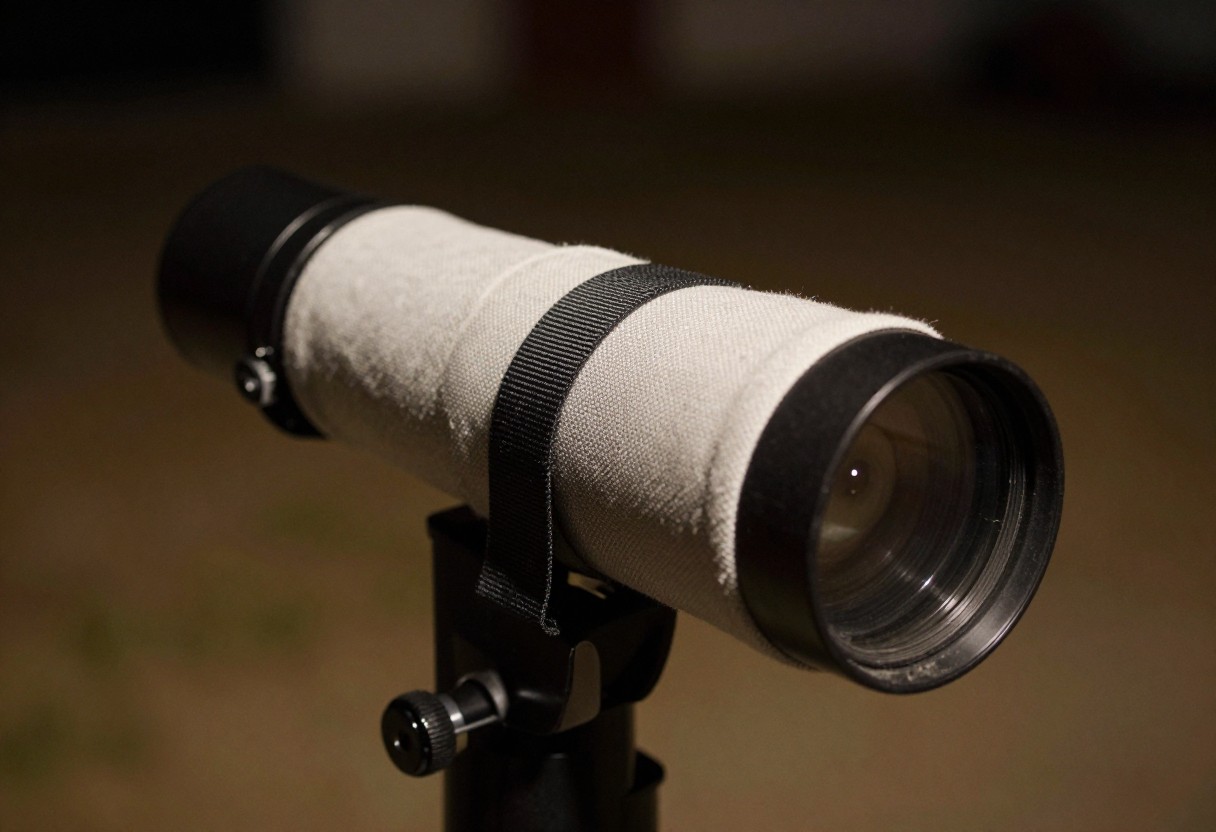
- A dew shield (a simple extension tube fitted over a telescope's front opening) provides passive protection by shielding the lens/corrector plate from direct exposure to the cooling night sky, which is the actual mechanism causing dew formation.
- A dew heater (a low-power electric heating element wrapped around the optics) is a worthwhile upgrade over a passive shield specifically in high-humidity regions or during long sessions, actively preventing condensation rather than just delaying it.
- Compound telescopes (Schmidt-Cassegrain, Maksutov-Cassegrain) are more dew-prone than open-tube reflectors given their enclosed front optical element, making dew prevention a more relevant consideration for owners of that telescope type specifically.
7. A Practical Beginner Stargazing Kit
- Red flashlight or headlamp with red-light mode
- Printed star chart or planisphere, as backup to a phone app
- Layered clothing appropriate for stationary cold exposure, including a hat and gloves
- A comfortable chair or ground pad/blanket for extended sessions
- A basic tripod, if using binoculars or a camera
- A thermal/emergency blanket, packable and genuinely useful if a session runs longer or colder than planned
- A phone with a charged battery and offline star chart app downloaded, plus a printed backup for redundancy
8. Common Gear Mistakes
- Using a regular white flashlight or unadjusted phone screen, undoing dark adaptation unnecessarily.
- Underdressing for a stationary activity, applying active-hiking-level layering logic to a session where you won't be generating warmth through movement.
- Skipping a chair or ground setup, then cutting a session short due to neck or back discomfort rather than actual conditions.
- Not accounting for dew, especially with compound telescopes in humid regions, leading to a session interrupted by fogged optics.
- Relying entirely on a phone app with no printed backup, leaving no fallback if the battery dies or the app misbehaves.
- Bringing binoculars without a tripod adapter despite planning an extended session, missing an easy, low-cost stability upgrade.
Quick Decision Checklist
- I have a red flashlight or red-light headlamp mode, and a plan to dim my phone screen outdoors
- I have a printed star chart or planisphere as backup to any app I'm using
- I'm dressed for stationary cold exposure, not just active-outdoor-level layering
- I have a comfortable way to observe for an extended period (chair, ground pad, or similar)
- I've considered dew prevention if using a telescope, especially a compound design, in humid conditions
- I have a basic kit assembled (light, chart, layers, comfort setup) rather than relying on optics alone
Glossary
- Planisphere: A rotating disc star chart that displays the visible night sky for any date and time throughout the year, usable without batteries.
- Dew Shield: A tube-shaped extension fitted over a telescope's front optical element to passively delay dew formation by shielding it from direct sky exposure.
- Dew Heater: A low-power electric heating accessory wrapped around telescope optics to actively prevent dew formation, especially useful in humid conditions.
- Dark Adaptation: The roughly 20–30 minute process by which eyes become progressively more sensitive to low light, reset by exposure to bright (especially white) light.
Final Takeaway
The accessories covered here — a red flashlight, a printed star chart backup, genuinely warm layering for a stationary activity, a comfortable way to observe for extended periods, and dew prevention where relevant — are individually inexpensive but collectively determine whether a stargazing session stays comfortable and productive. None of it requires the budget or complexity of a telescope, and building this kit first is a reasonable, low-cost way to improve every session regardless of what optics you're using.
Specific gear recommendations and pricing change over time — prioritize the underlying principles covered here (night vision protection, stationary-activity warmth, dew prevention) over any single product recommendation.