The Complete Camping Gear Checklist for Beginners
Everything you need for a weekend camping trip, organized by category — shelter, cooking, clothing, and safety.
Published August 10, 2026 · Updated August 11, 2026
Most first-time campers either overpack or forget something essential. This checklist covers what actually matters, grouped by category, so you can pack once and not think about it again.
This guide assumes a standard car-camping weekend trip (drive to a campsite, not backpacking) in fair-to-mild weather. Notes are included throughout for backpacking substitutions and cold/wet-weather additions.
How to Use This Guide
- Read through each category once, checking off what you already own.
- Use the "Don't Skip This" callouts — these are the items beginners most often forget and regret forgetting.
- Use the Weekend Master Checklist at the end as your actual packing list.
- Adjust quantities in Section 8 based on group size and trip length.
1. Shelter & Sleep System
Your shelter and sleep system determine whether you're comfortable or miserable — this is not the place to cut corners on your first trip.
Core Shelter Items
- Tent (with rainfly, stakes, and guy lines)
- Ground tarp or footprint (protects the tent floor and helps with waterproofing)
- Mallet or hammer for stakes (a rock works, but a mallet is faster and safer for your hands)
- Extra stakes (2–4 spares; the ones that ship with tents bend or get lost easily)
Sleep System
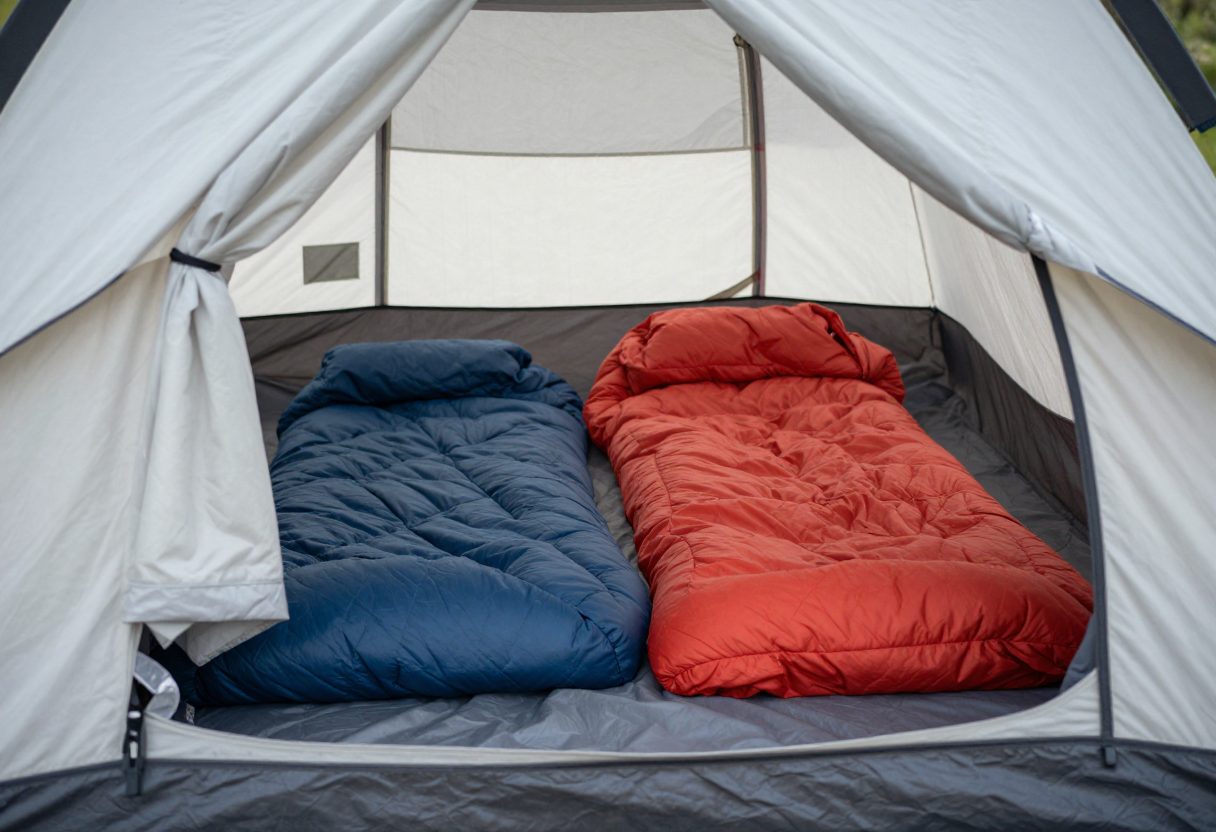
- Sleeping bag rated for the lowest expected nighttime temperature (not the average — round down)
- Sleeping pad or air mattress (this insulates you from the cold ground as much as it cushions you)
- Pillow (a camp pillow, stuff sack filled with clothes, or inflatable pillow)
- Extra blanket (useful as a liner in cold weather or a picnic/lounging blanket in warm weather)
Don't Skip This: A sleeping pad is not optional for warmth. Cold ground pulls heat out of your body far faster than cold air — even a "warm enough" sleeping bag will feel inadequate on bare tent floor. This is the #1 mistake first-time campers make.
Setup & Comfort Extras
- Camp chairs (one per person)
- Folding table (if your site doesn't have a picnic table, or you want extra surface space)
- Battery-powered or rechargeable lantern for inside the tent
- Earplugs (for wildlife noise, other campers, or a snoring tentmate)
Backpacking note: Swap the tent for the lightest freestanding or trekking-pole tent you can afford, skip the folding table and extra chairs, and prioritize a compressible sleeping bag and inflatable pad rated for pack weight.
Not sure which tent fits your trip? Our tent finder walks through season, group size, and budget to point you toward a specific option.
2. Cooking & Food
Camp cooking ranges from "boil water for instant meals" to "full camp kitchen." This section covers a practical middle ground.
Cooking Equipment
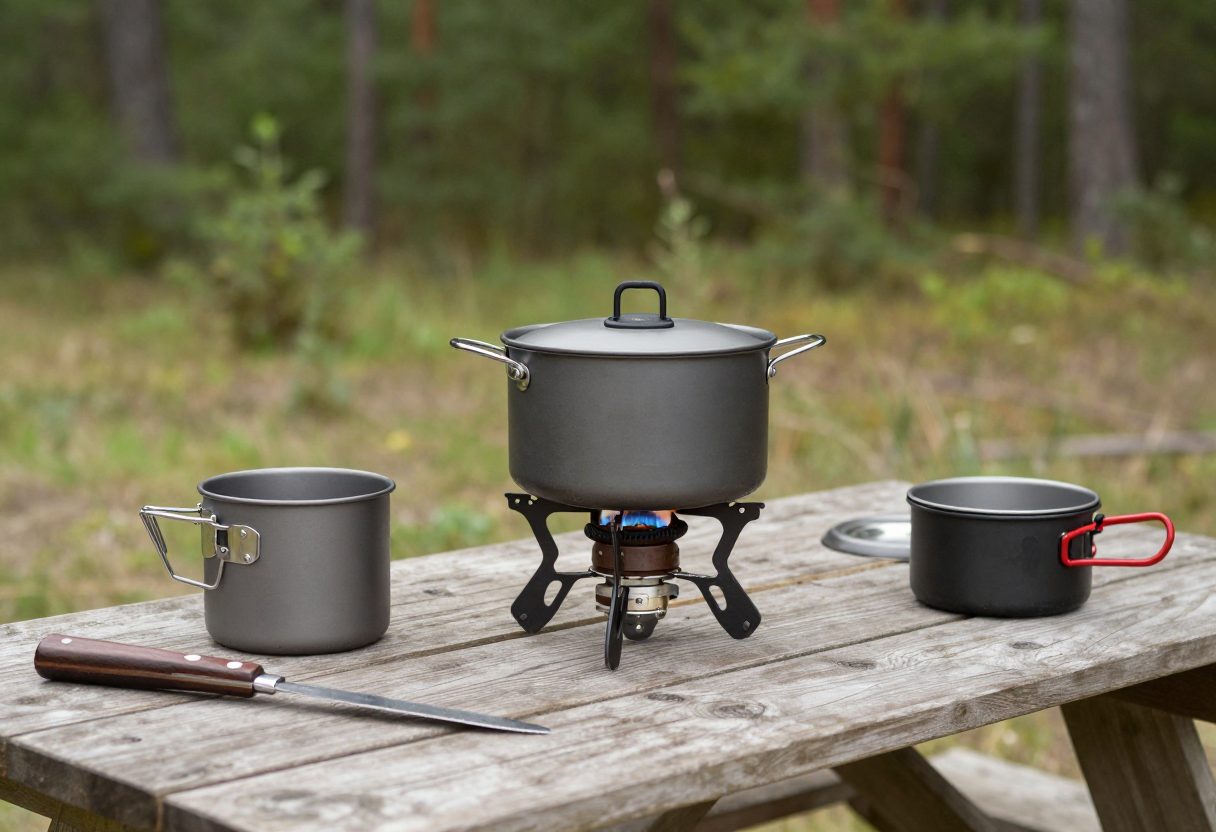
- Camp stove (two-burner propane stove is the easiest for beginners) or means to cook over a campfire
- Fuel for the stove (propane canisters — bring one extra)
- Lighter or waterproof matches (bring two sources of fire, stored in different bags)
- Cookware: at least one pot and one pan, sized for your group
- Cooking utensils: spatula, large spoon, tongs
- Cutting board and a knife
- Can opener (if bringing any canned food)
Eating & Cleanup
- Plates or bowls (reusable, not flimsy paper — they blow away and tear)
- Utensils (fork, knife, spoon per person)
- Cups or mugs (insulated mugs double for coffee and soup)
- Dish soap (biodegradable/camp-safe) and a sponge or scrub brush
- Small basin or collapsible sink for washing dishes
- Trash bags (bring more than you think you need — pack out everything)
- Cooler with ice or ice packs
- Water containers or a large water jug (in addition to personal water bottles)
Don't Skip This: A water source you can count on. Don't assume the campsite has a working potable water spigot — check the campground's site info in advance, and bring at least one gallon of water per person per day as backup, more in hot weather.
Food Planning
- Meals planned per day (breakfast/lunch/dinner) with quantities matched to group size
- Snacks and trail mix for hikes or downtime
- Coffee/tea supplies if needed
- Cooler organization: pack items you'll need last on the bottom, frequently-used items on top
- Food storage that's animal-resistant if camping in bear country (bear canister, hang bag, or use provided lockers)
Fire-cooking note: If cooking primarily over a campfire, add a grill grate, long-handled tools (to keep hands away from heat), and fire-starting material (dryer lint, fatwood, or commercial fire starters) in case wood is damp.
3. Clothing
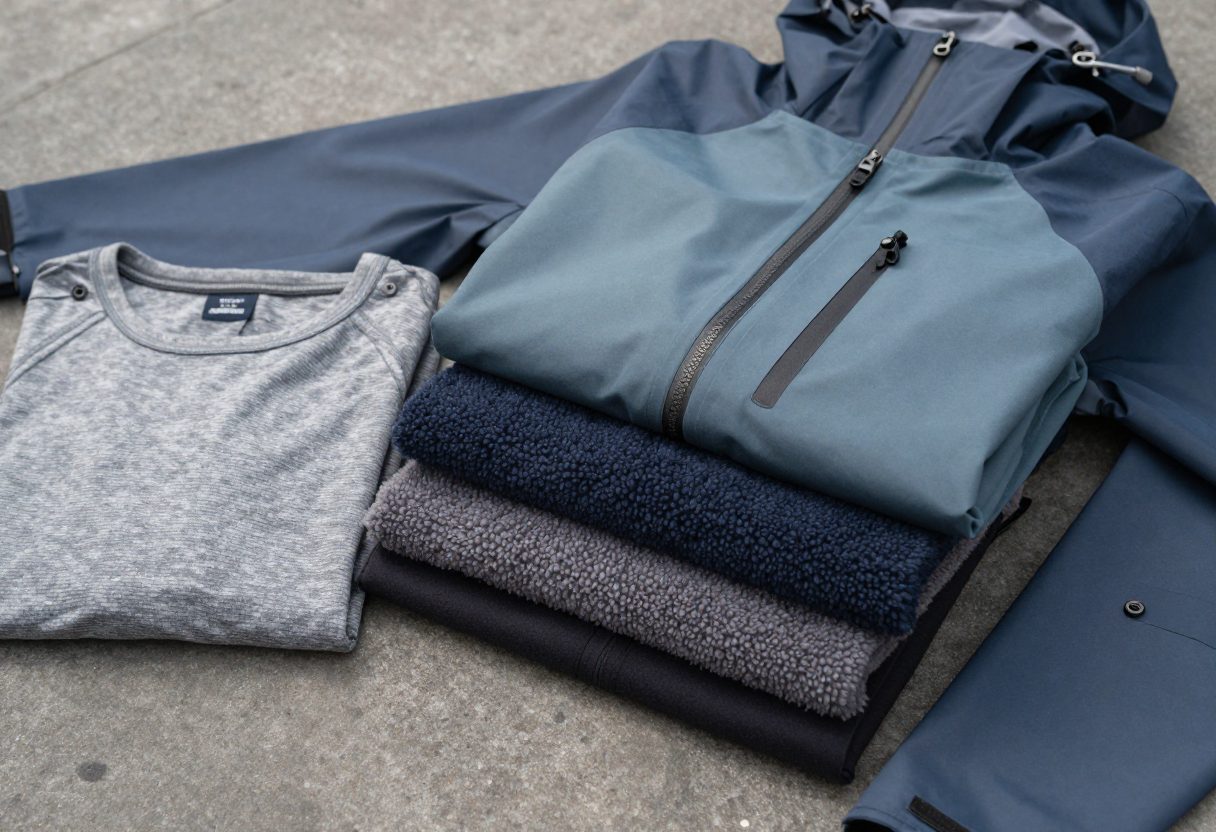
Camping clothing is about layering and managing moisture, not packing your entire closet.
Base Layers
- Moisture-wicking base layer top and bottom (avoid all-cotton — it stays wet and gets cold)
- Extra set of base layers for sleeping
Mid & Outer Layers
- Insulating mid-layer (fleece or lightweight puffy jacket) — pack one even in summer, nights get cold
- Waterproof/windproof outer shell or rain jacket
- Rain pants (especially if rain is in the forecast)
Everyday Wear
- Quick-dry pants or shorts
- T-shirts or lightweight shirts (one per day, plus one spare)
- Underwear and socks (one extra pair of socks per day — wet socks are miserable)
- Sleepwear (separate from daytime clothes so you're not sleeping in dirty gear)
Footwear
- Sturdy closed-toe shoes or hiking boots
- Camp sandals or lightweight shoes (for around camp and stream crossings)
- Extra socks (see above — bring more than seems necessary)
Accessories
- Sun hat or cap
- Warm hat/beanie (temperatures drop more than expected at night)
- Gloves (lightweight, for cool mornings/evenings)
- Sunglasses
- Bandana or buff (sun protection, dust, makeshift towel)
Don't Skip This: A warm layer and a rain layer, even if the forecast looks clear. Weather at a campsite — especially near mountains, lakes, or elevation — changes faster than town forecasts predict, and being cold and wet with no way to fix it ends trips early.
4. Safety & Health
This is the category beginners most often underpack, because none of it feels necessary — until it is.
First Aid
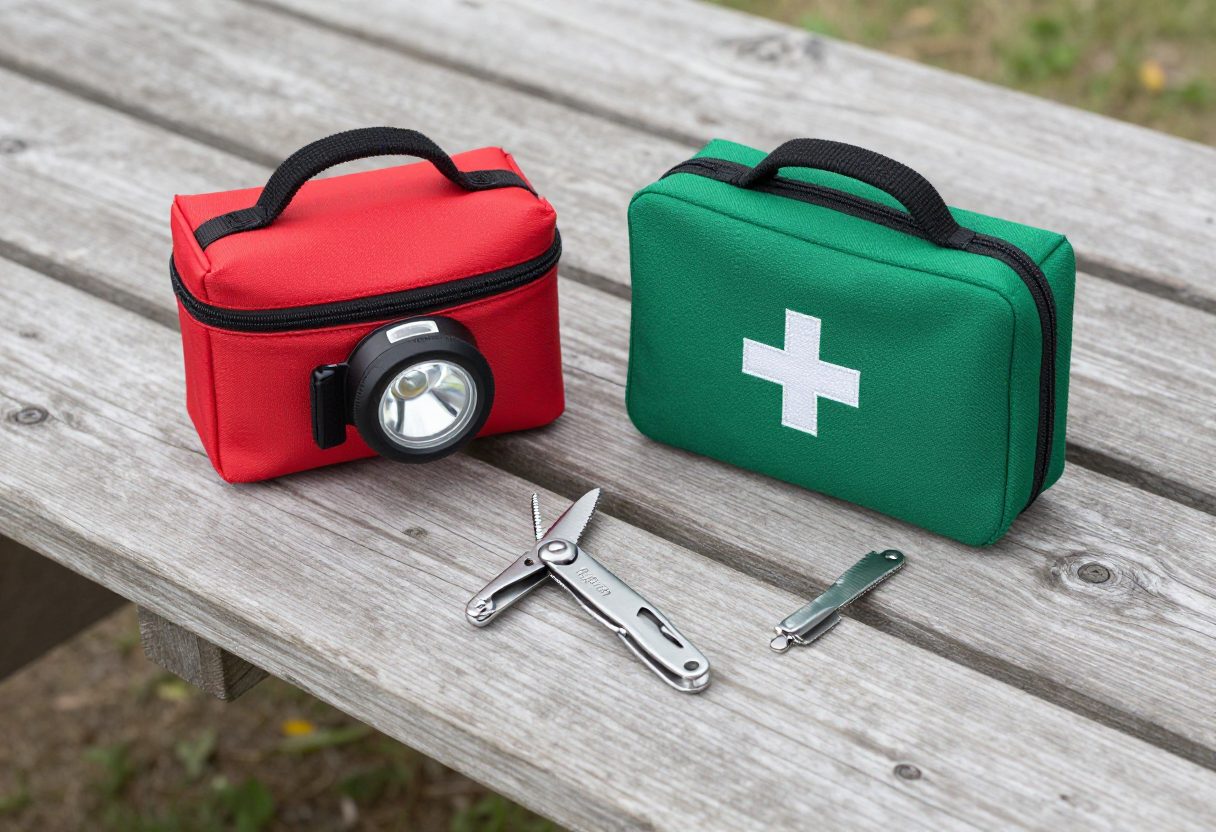
- First aid kit (bandages, gauze, antiseptic wipes, tweezers, medical tape, blister treatment)
- Any personal medications (bring extra in case the trip runs long)
- Pain relievers/anti-inflammatories
- Antihistamines (for allergic reactions, bug bites, or plant contact)
- Emergency contact information written down (not just on a phone that might die)
Navigation & Communication
- Paper map of the area and/or downloaded offline maps on your phone
- Portable phone charger/power bank
- Whistle (for signaling if lost or in an emergency — far louder and more efficient than yelling)
- A basic understanding of the campground layout and nearest ranger station or emergency access point
Fire & Light Safety
- Fire extinguisher or a bucket for dousing campfires (check if the site allows fires at all — fire bans are common in dry seasons)
- Headlamp per person (hands-free light matters more than you'd expect)
- Backup flashlight
- Extra batteries for all light sources
Weather & Environment
- Sunscreen (reapplied, not just packed)
- Insect repellent
- Bear spray or other regionally-appropriate wildlife precautions, if applicable
- Knowledge of local hazards: poisonous plants, ticks, venomous animals, flash flood zones
Don't Skip This: Tell someone outside your group your camping location and expected return time. This single step matters more than any item on this list if something goes wrong and you don't have cell signal.
Tools & Repair
- Multi-tool or pocket knife
- Duct tape (wrapped around a water bottle or lighter to save space) — fixes tents, shoes, and gear in a pinch
- Rope or paracord
- Small repair kit for tent poles/zippers if you have one
5. Hygiene
- Toothbrush and toothpaste
- Biodegradable soap (for handwashing and quick rinses)
- Hand sanitizer
- Toilet paper (in a waterproof bag) — even at campgrounds with facilities
- Small trowel (for digging a cathole if no toilet facilities are available; bury human waste 6–8 inches deep and 200 feet from water sources)
- Wet wipes (for a no-shower quick clean-up)
- Towel (quick-dry camp towel packs smaller than a bath towel)
- Menstrual products, if needed
- Any personal grooming items you can't skip for a weekend
6. Miscellaneous & Comfort
Not essential for survival, but these consistently make a weekend trip more enjoyable.
- Camera or phone for photos
- Books, cards, or other downtime entertainment
- Portable speaker (mind campground quiet hours and neighboring campers)
- Binoculars for wildlife or stargazing
- Extra cash (some campgrounds and rural gas stations don't take cards)
- Campsite reservation confirmation (printed or downloaded, in case of no signal)
- Firewood (many parks prohibit bringing outside firewood to prevent invasive pests — buy it locally near the site instead)
7. What Experienced Campers Skip Packing
Just as important as what to bring is knowing what beginners commonly over-pack:
- Too many clothes. You will re-wear pants and outer layers. Pack for one change of base layers per day, not a full new outfit.
- Heavy cookware sets. One good pot and one pan handle almost every camp meal.
- Full-size toiletries. Travel-size versions save significant pack space.
- Excess "just in case" gadgets. If you're not sure you'll use it, it's usually safe to leave it — a well-packed car is easier to set up and break down than an overloaded one.
8. Quantity Planning by Group Size
Use this as a rough multiplier guide, not an exact formula — adjust for appetite, trip length, and personal preference.
| Item | Per Person, Per Day |
|---|---|
| Drinking water | 1 gallon (more in heat or with activity) |
| Socks | 1 pair, plus 1 spare for the trip |
| Base layer sets | 1 per day |
| Meals | 3, plus 1–2 snack servings |
| Toilet paper | Small roll per 2–3 people for a weekend |
| Trash bags | 1 per person for a 2–3 night trip, plus spares |
Weekend Master Checklist
A condensed, printable version pulling the highest-priority items from every category above.
Shelter & Sleep
- Tent + stakes + rainfly
- Sleeping bag (rated for the coldest expected night)
- Sleeping pad
- Pillow
- Camp chairs
- Lantern
Cooking & Food
- Stove + fuel
- Lighter/matches (two sources)
- Pot, pan, utensils
- Plates, cups, cutlery
- Cooler + ice
- Water (backup supply)
- Trash bags
- Planned meals + snacks
Clothing
- Base layers (extra set)
- Insulating layer
- Rain jacket/shell
- Sturdy shoes + camp shoes
- Extra socks
- Warm hat + sun hat
Safety & Health
- First aid kit
- Headlamp + backup flashlight + batteries
- Map (paper or offline)
- Power bank
- Sunscreen + bug spray
- Multi-tool + duct tape
- Trip plan shared with someone outside the group
Hygiene
- Toothbrush/toothpaste
- Hand sanitizer
- Toilet paper + trowel
- Camp towel
Miscellaneous
- Cash
- Reservation confirmation
- Entertainment (cards/books)
- Firewood (purchased locally)
Final Notes
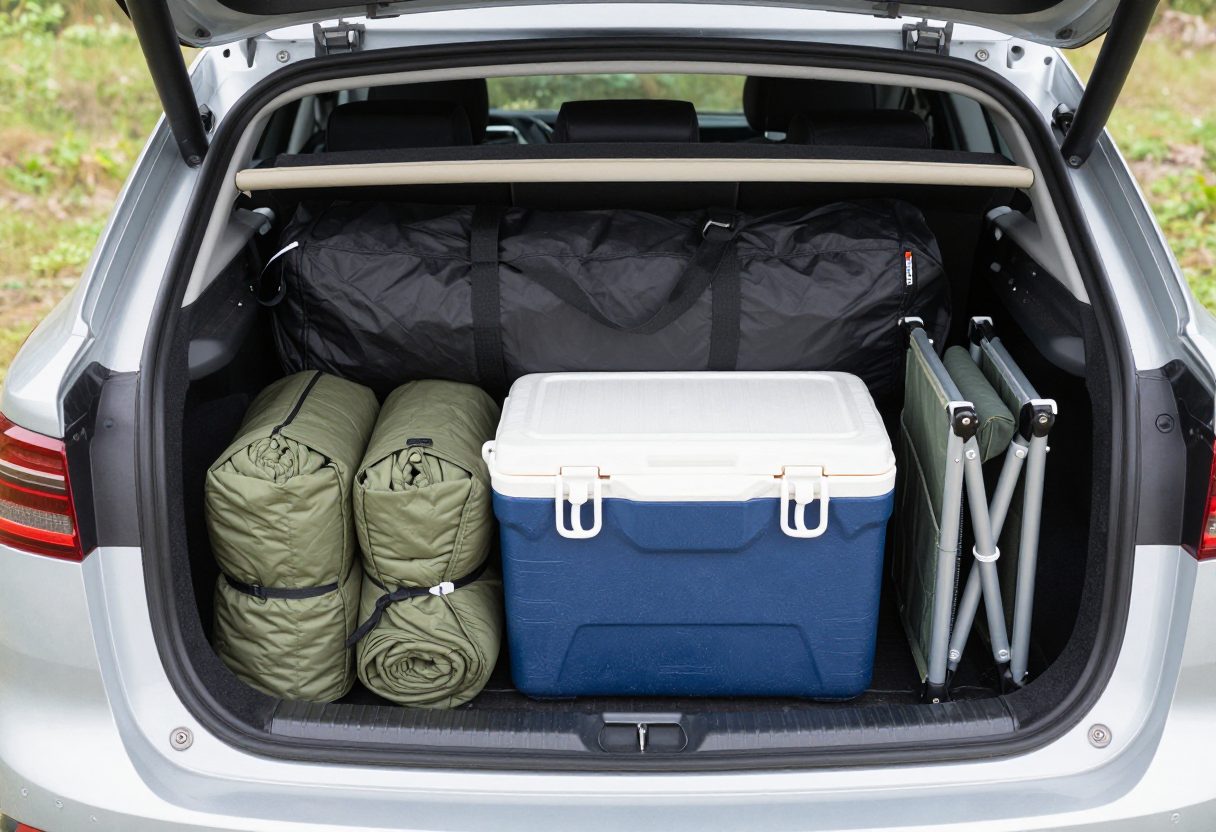
- Pack the night before, not the morning of. It's the easiest way to catch what's missing while you can still fix it.
- Lay everything out by category before loading the car. Seeing gaps visually catches oversights a checklist alone can miss.
- After the trip, note what you didn't use. The fastest way to build a leaner, smarter kit for next time is tracking what came home untouched.
This guide is intended for general fair-weather car camping. Always check current conditions, fire restrictions, and regulations for your specific campground before you go, as these can change seasonally and by location.