Bow Hunting for Beginners: Gear and Getting Started
Compound vs. crossbow, draw weight, and the practice routine you need before your first bow season.
Published August 11, 2026 · Updated August 12, 2026
Bow hunting trades range for intimacy. Where a rifle hunter might take ethical shots at 100–300 yards, a bow hunter is typically working inside 20–40 yards, often much closer. That compressed range means more time spent getting close to animals undetected, more reliance on stand/blind placement and scent control, and — critically — a much higher practice burden to be consistently accurate and ethical at the ranges bow hunting demands.
This guide walks through the core equipment decision (compound vs. crossbow), how to think about draw weight and setup, the practice routine that actually builds season-ready accuracy, and what else goes into a responsible first bow season.
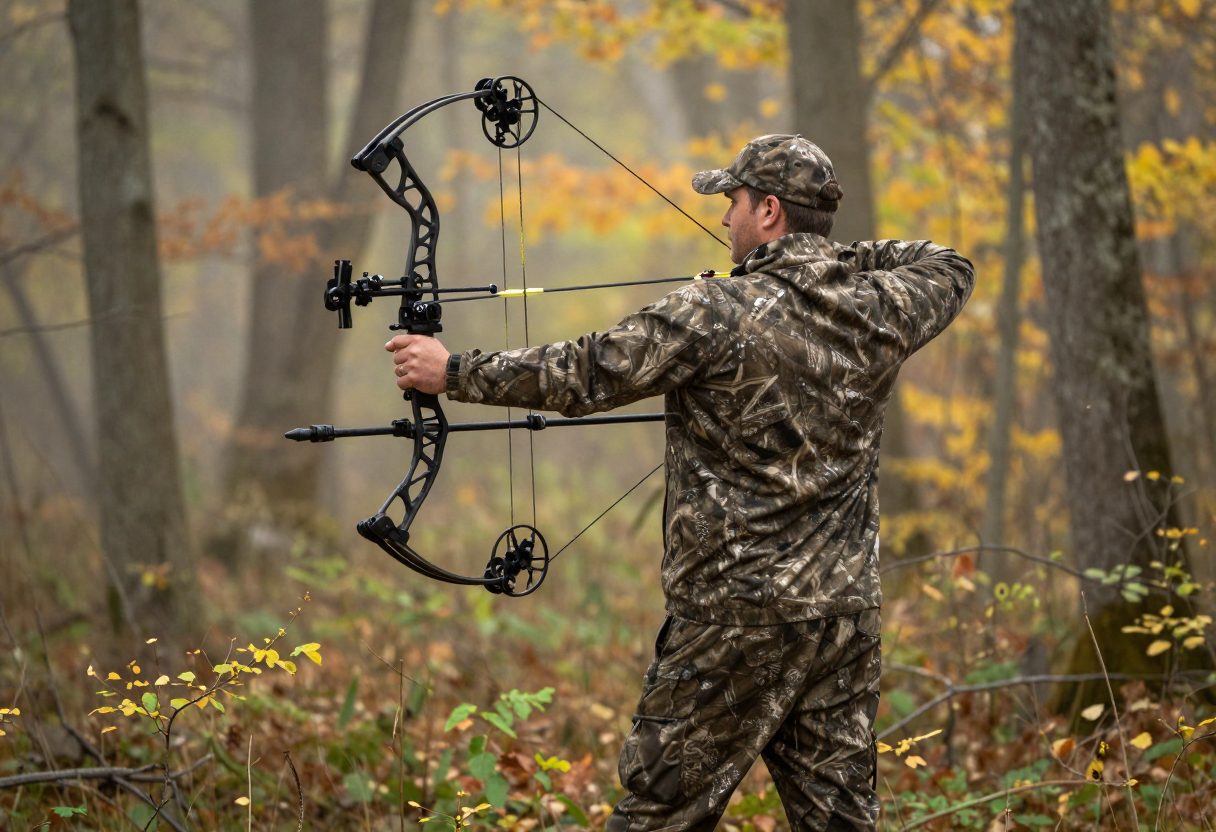
1. Compound Bow vs. Crossbow: The First Decision
This is the foundational choice, and it shapes your practice routine, cost, and hunting style more than any other decision in this guide.
| Factor | Compound Bow | Crossbow |
|---|---|---|
| Learning curve | Steeper — full draw-and-hold shooting form to learn | Gentler — closer to shooting a rifle in feel |
| Physical demand | Requires drawing and holding significant weight, often at the moment of a shot | Cocked ahead of time; no hold-at-full-draw during the shot |
| Shot speed/follow-up | Slower to reload between shots | Slower to reload between shots, often even more so |
| Practice frequency needed | High — form/consistency degrades without regular practice | Lower relative to compound, though practice still matters for accuracy |
| Legal status for hunting | Legal in all states for archery season | Legal for general archery season in a growing number of states, but historically restricted in some to specific circumstances (disability permits, specific seasons) — verify locally |
| Traditional archery "feel" | Considered closer to traditional archery skill-building | Considered mechanically closer to firearm shooting |
| Typical cost (beginner setup) | Moderate | Often higher, due to scope and cocking mechanism costs |
Choosing Between Them
- Pick a compound bow if: you want to build traditional archery skill, plan to bowhunt for years and want that skill investment to compound (no pun intended), or you're physically able to comfortably draw and hold a reasonable weight.
- Pick a crossbow if: you have a physical limitation that makes holding a compound at full draw difficult, you're prioritizing a lower learning curve for your first season, or your state's regulations and hunting style make it the more practical option.
- Check your state's regulations before buying anything. Some states have separate archery and crossbow seasons with different date ranges, and some restrict crossbow use during general archery season to hunters with qualifying permits. This is the single most important first step, before any gear purchase.
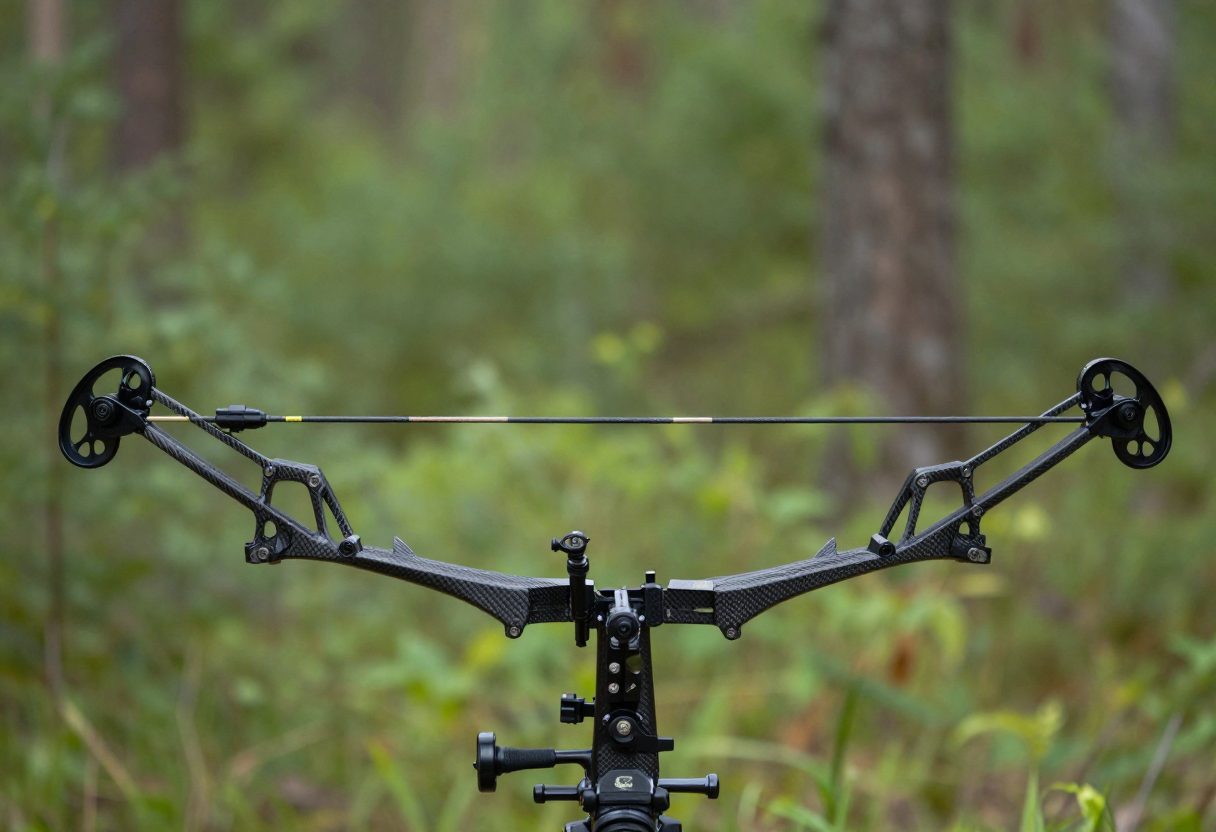
2. Understanding Draw Weight
Draw weight is the force (measured in pounds) required to pull the bowstring back to full draw. It's the bow-hunting equivalent of caliber selection in rifle hunting — it needs to match both the game you're hunting and what you can shoot accurately and repeatedly.
Why Draw Weight Matters
- Too light and you risk insufficient kinetic energy for an ethical, humane harvest, especially on larger game.
- Too heavy and you sacrifice accuracy and consistency because you're fighting the bow instead of executing a smooth shot — a common beginner mistake is buying more draw weight than they can comfortably shoot, "just in case."
General Draw Weight Guidelines
| Game | Typical Recommended Draw Weight |
|---|---|
| Small game/target practice | 30–40 lbs |
| Whitetail deer, antelope | 40–50 lbs (state minimums often set around 40 lbs) |
| Elk, black bear | 50–65 lbs |
| Large/dangerous game | 65–70+ lbs |
Most states set a legal minimum draw weight for big game hunting (commonly around 40 lbs) — check your state's specific requirement, as it varies.
Don't Skip This: Draw weight should be something you can pull back smoothly, hold at full draw without shaking, and shoot accurately and repeatedly — not the maximum you can physically muster once under ideal conditions. In a real hunting scenario, cold muscles, an awkward stand angle, and adrenaline all make holding heavy draw weight harder than it feels at the shop. Many archery shops let you test-draw different weights before buying; use that.
Draw Length
Separate from draw weight, draw length is how far you pull the string back, and it's specific to your body (arm span and torso). An improperly fitted draw length hurts both accuracy and comfort. Most archery shops measure this for you as part of a bow fitting — this is not something to guess at or skip.
3. Core Gear Beyond the Bow
For Compound Bows
- Arrows matched to your bow's draw weight and length (arrow spine — stiffness — needs to match your setup; an archery shop can help you select correctly)
- Broadheads for hunting (fixed-blade or mechanical/expandable — each has tradeoffs in reliability, wound channel, and required practice)
- Field points for practice (different from broadheads, used for target practice to save wear on hunting broadheads)
- Release aid (a mechanical tool that helps trigger a clean, consistent string release — widely used and recommended over finger-shooting for beginners)
- Arrow rest (holds the arrow in place before the shot; typically comes set up on a new bow but worth understanding)
- Sight (pin sights are the standard beginner choice, offering fixed aiming points for set distances)
- Stabilizer (reduces vibration and torque, improving accuracy and consistency)
- Bow case for transport and protection
For Crossbows
- Bolts/arrows specific to your crossbow model and spec
- Broadheads, same fixed vs. mechanical tradeoff as compound bows
- Scope (most crossbows are scoped, similar in concept to a rifle scope, often with drop-compensating reticles for different distances)
- Cocking device (rope cocker or crank cocking device — reduces the physical effort of cocking and improves consistency, which directly affects accuracy)
- Case for transport and protection
Shared Accessories
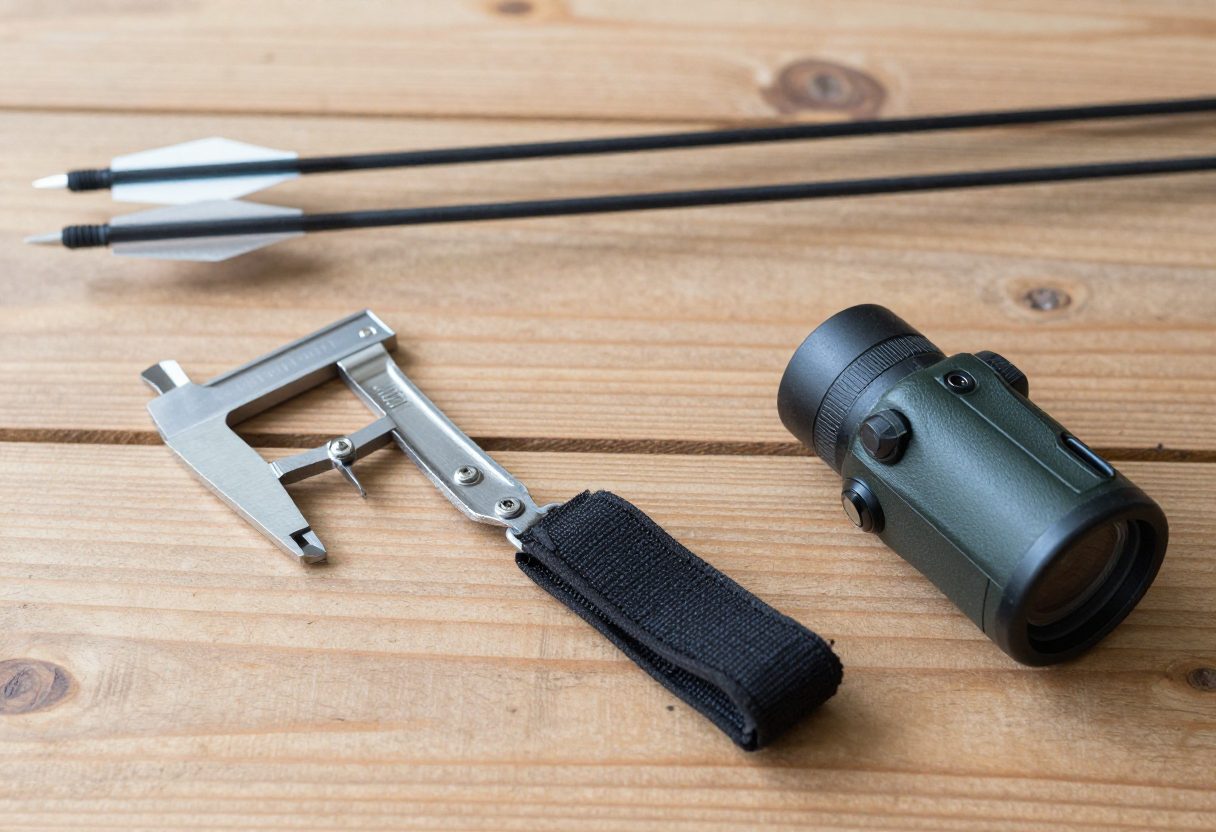
- Broadhead wrench/tool for proper installation and tightening
- Arm guard (compound bows especially — protects your forearm from string slap)
- Finger tab or glove, if not using a mechanical release
- Rangefinder — arguably one of the most important accessory purchases; misjudging distance is one of the most common causes of a poor hunting shot with archery equipment, since arrow drop is far more pronounced than a rifle bullet's trajectory
- Broadhead-specific practice target or a general field-point target, plus a dedicated broadhead target for confirming point-of-impact before the season
4. Setting Up: Get a Professional Bow Fitting
Unlike buying a rifle, a bow purchase is genuinely incomplete without a proper fitting at a archery shop:
- Draw length measurement, as noted above, tailored to your body.
- Draw weight set appropriately for your strength and the game you're hunting.
- Sight and rest tuning, ensuring the bow shoots accurately out of the box rather than needing significant DIY troubleshooting.
- Cam timing and overall tune (compound bows specifically) — a properly tuned bow is dramatically easier to shoot accurately than a poorly tuned one, and this isn't something most beginners can diagnose themselves.
A first-time buyer working with a knowledgeable archery shop for the initial setup will generally have a far better experience than buying online and self-configuring, particularly for compound bows.
5. The Practice Routine You Actually Need
This is the section most beginners underestimate. Bow hunting's compressed shooting range makes consistent, disciplined practice non-negotiable in a way rifle hunting doesn't demand quite as heavily.
Building Baseline Form (First 4–8 Weeks)
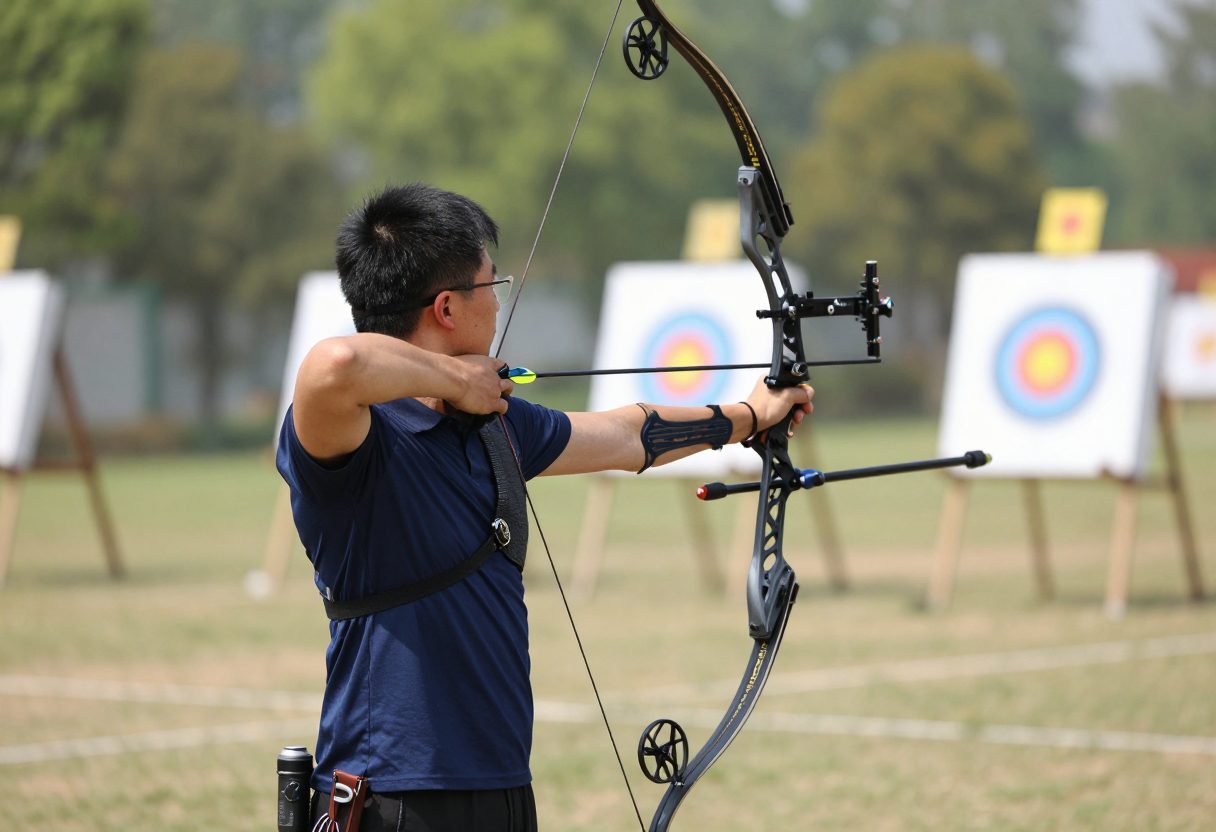
- Start close — 10–15 yards — and focus entirely on consistent form: stance, anchor point (where your hand/release consistently touches your face at full draw), and a smooth release, not speed or distance.
- Shoot in short, frequent sessions (15–20 minutes, several times a week) rather than occasional long sessions — form consistency benefits more from frequency than from volume in any single session.
- Use a consistent anchor point every single shot. Inconsistent anchor point is one of the most common sources of beginner accuracy problems.
- Focus on release quality, especially if shooting a compound with a mechanical release — a "punched" or jerked release is a common bad habit that's much easier to avoid from the start than to fix later.
Extending Range (Weeks 8+)
- Gradually extend practice distance in small increments (5-yard jumps), only once consistent grouping is achieved at the current distance.
- Practice at and slightly beyond your intended maximum hunting shot distance — if you plan to take shots at 30 yards in the field, you should be comfortably and consistently accurate well past that in practice.
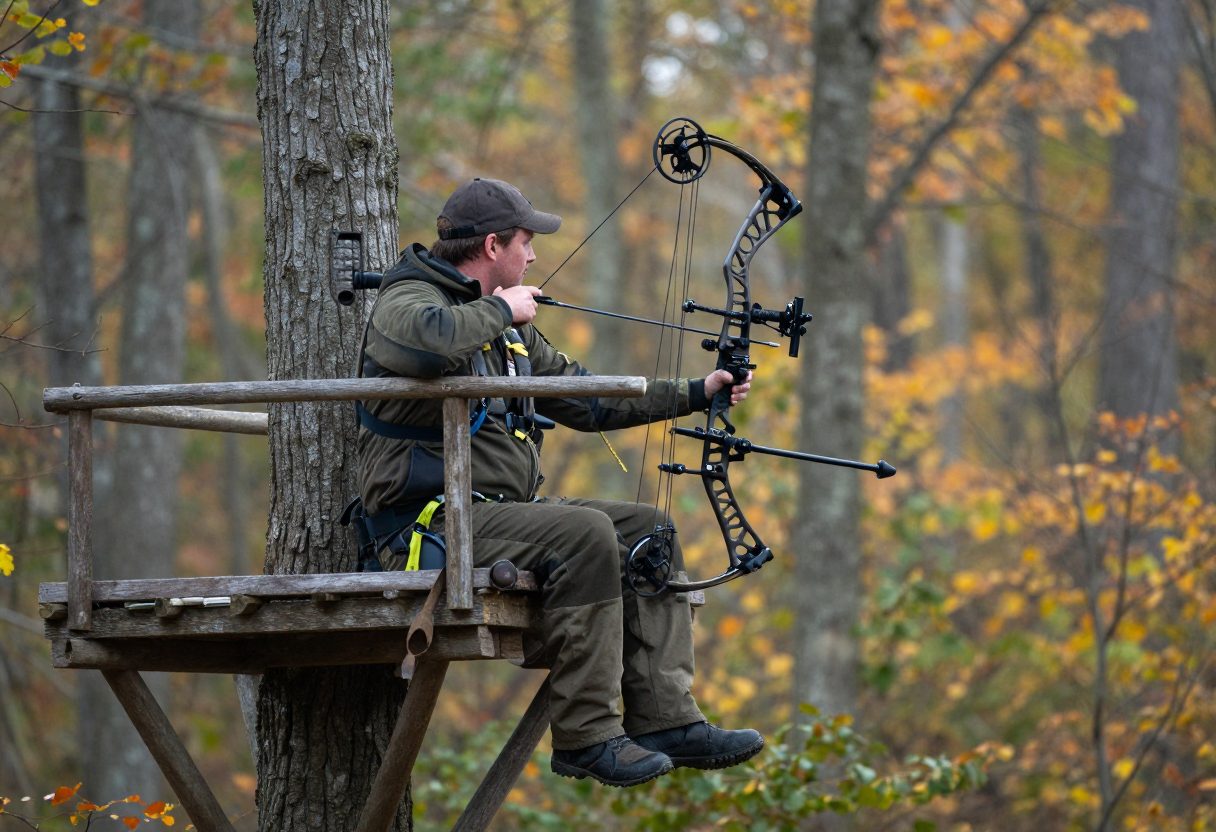
- Incorporate field-realistic conditions: shooting from a seated position, an elevated platform (safely, and only with proper fall-arrest gear if practicing from height), at odd angles, and in hunting clothing/gear — a shot that's easy in a T-shirt at a flat range can feel very different in bulky cold-weather gear from a tree stand.
Broadhead-Specific Practice
- Broadheads fly differently than field points, especially fixed-blade designs. Confirm point-of-impact with actual hunting broadheads before the season — don't assume field-point practice translates directly.
- Use a broadhead-rated target, since field-point targets often aren't built to safely stop broadheads.
Physical Conditioning
- Compound bows specifically benefit from some upper-body and back conditioning — shoulder and back strength directly affects your ability to hold steady at full draw, especially during a longer hold waiting for a clean shot angle.
- Practice holding at full draw for extended periods occasionally, simulating a real hunting scenario where a shot isn't immediately available.
Don't Skip This: Practice a "cold shot" — your very first shot of a practice session, without warming up — regularly. In an actual hunting scenario, you rarely get to warm up before the shot that matters; your first, unwarmed shot needs to be reliable, not just your fifth shot after settling in.
6. Shot Placement and Ethics
Bow hunting's shorter effective range makes shot discipline especially important — a marginal shot with archery equipment is more likely to wound rather than cleanly harvest an animal compared to a similarly marginal rifle shot.
- Broadside or slightly quartering-away shots on the vitals (heart/lung area) are the standard ethical shot presentation most bowhunters wait for.
- Avoid frontal or steep quartering-toward shots — the odds of a clean pass through vitals drop significantly, and these are widely discouraged for beginners in particular.
- Know your maximum ethical range based on your practice-proven accuracy, not your theoretical best — and be willing to pass on a shot beyond that range, even if it means going home empty-handed.
- Follow-up tracking matters more in bow hunting. Blood trailing skills, patience before pursuing a hit animal (giving it time to expire rather than pushing it and causing it to run further), and knowing when to seek an experienced tracker's help are all part of responsible bow hunting.
7. Treestands, Blinds, and Getting Close
Because of the shorter range, positioning and concealment matter more in bow hunting than in most rifle hunting.
- Treestands put you above an animal's typical sightline and help disperse scent higher, but require serious attention to fall-arrest safety gear — treestand falls are one of the most common serious injuries in bow hunting, and a full-body harness used correctly every time is essential, not optional.
- Ground blinds are a lower-risk alternative to treestands, useful in flatter terrain or for hunters not comfortable with elevated stands.
- Scent control (scent-free soaps/detergents, scent-elimination sprays, playing the wind direction) matters more in bow hunting's close-range game than in most rifle scenarios, since animals are more likely to be close enough to wind you before a shot opportunity arises.
- Camouflage and movement discipline — staying still and breaking up your outline matters significantly more at bow range than rifle range.
8. Licensing, Season, and Legal Considerations
- Archery-specific hunting licenses/tags are often separate from general firearm season tags — check your state's specific requirements.
- Crossbow legality during archery season varies significantly by state — reiterated here because it's genuinely one of the most common points of confusion for beginners choosing gear before checking regulations.
- Minimum draw weight requirements for big game are set by many states — verify before hunting.
- Broadhead regulations (minimum cutting diameter, mechanical vs. fixed restrictions in some areas) vary by state.
- Hunter education requirements often apply to archery hunters just as they do to firearm hunters — confirm your state's specific requirement before your first season.
9. Budget Overview
| Item | Typical Range (USD, approximate) |
|---|---|
| Compound bow (entry-to-mid-tier, with basic accessories) | $400–$900 |
| Crossbow (entry-to-mid-tier, with scope) | $500–$1,200 |
| Arrows/bolts (a dozen, hunting-ready) | $80–$200 |
| Broadheads (a set) | $30–$80 |
| Release aid (compound) | $30–$100 |
| Rangefinder | $100–$300 |
| Professional fitting/tuning | Often included with shop purchase, or $50–$100 separately |
| Treestand or ground blind | $100–$400 |
| Total realistic first setup | ~$900–$2,500+ |
Budget tip: As with rifles, a well-maintained used compound bow from a reputable shop (with a professional re-fitting for your draw length/weight) can be excellent value — bows don't wear out quickly with normal use, and the fitting matters more than buying new.
10. First-Season Timeline
A realistic run-up to a first bow season:
- 4–6+ months before season: Choose compound vs. crossbow, get fitted at a shop, begin baseline form practice at close range.
- 2–4 months before season: Extend practice distance gradually, introduce broadhead practice, begin scouting your hunting area.
- 4–6 weeks before season: Practice from realistic field positions (elevated, seated, in hunting clothing), confirm broadhead point-of-impact, set up and safety-check treestands/blinds.
- 1–2 weeks before season: Final accuracy confirmation at your maximum ethical range, gear check (release, sight, rest, broadheads all confirmed tight and true), review shot placement and blood-trailing knowledge.
- Season: Maintain practice through the season if possible — accuracy and form both benefit from continued repetition, not just pre-season preparation.
Quick Decision Checklist
- I've checked my state's regulations on compound vs. crossbow legality for my intended season
- I've chosen between compound and crossbow based on physical ability, learning curve preference, and legal considerations
- I've been professionally fitted for draw length and an appropriate draw weight
- I understand my state's minimum legal draw weight for my intended game
- I've budgeted for a rangefinder and broadhead-specific practice, not just the bow itself
- I have a practice plan that starts close and extends gradually, with broadhead confirmation before season
- I know my maximum ethical shooting range based on proven practice accuracy, not theoretical best
- I have treestand fall-arrest gear if hunting from elevation, and a scent-control plan
- I've confirmed hunter education and licensing requirements for archery hunting in my state
Glossary
- Draw Weight: The force, in pounds, required to pull the bowstring to full draw.
- Draw Length: The distance the string is pulled back at full draw, specific to the shooter's body.
- Anchor Point: The consistent point where the drawing hand or release touches the face/jaw at full draw, critical for shot consistency.
- Broadhead: The hunting-specific arrow tip designed to cause a lethal wound, as opposed to a field point used for practice.
- Arrow Spine: The stiffness of an arrow shaft, which must be matched to bow draw weight and length for accurate flight.
- Release Aid: A mechanical tool that attaches to the bowstring and is triggered to produce a clean, consistent release, commonly used with compound bows.
- Quartering-Away/Quartering-Toward: Descriptions of an animal's body angle relative to the hunter; quartering-away is generally the more ethical, higher-percentage shot presentation.
This guide covers general principles for common North American bow hunting. Always confirm current state and local regulations, as legal draw weights, crossbow eligibility, broadhead specifications, and season dates vary by location and change over time.