
Altitude Sickness: Recognizing and Preventing It on the Trail
How altitude sickness actually happens, the early symptoms that mean you should stop climbing, and the habits that prevent it in the first place.
Published September 12, 2026
Why Altitude Catches Flatland Hikers Off Guard
Altitude sickness doesn't care how fit you are — it's caused by thinner air at elevation, not by physical conditioning, which is exactly why experienced hikers from low-elevation areas get caught off guard by it on trips to mountain destinations. Above roughly 8,000 feet, there's meaningfully less oxygen available with each breath, and your body needs time to adjust. Ascend faster than your body can adapt, and the result is Acute Mountain Sickness (AMS) — uncomfortable at best, and dangerous if ignored at worst.
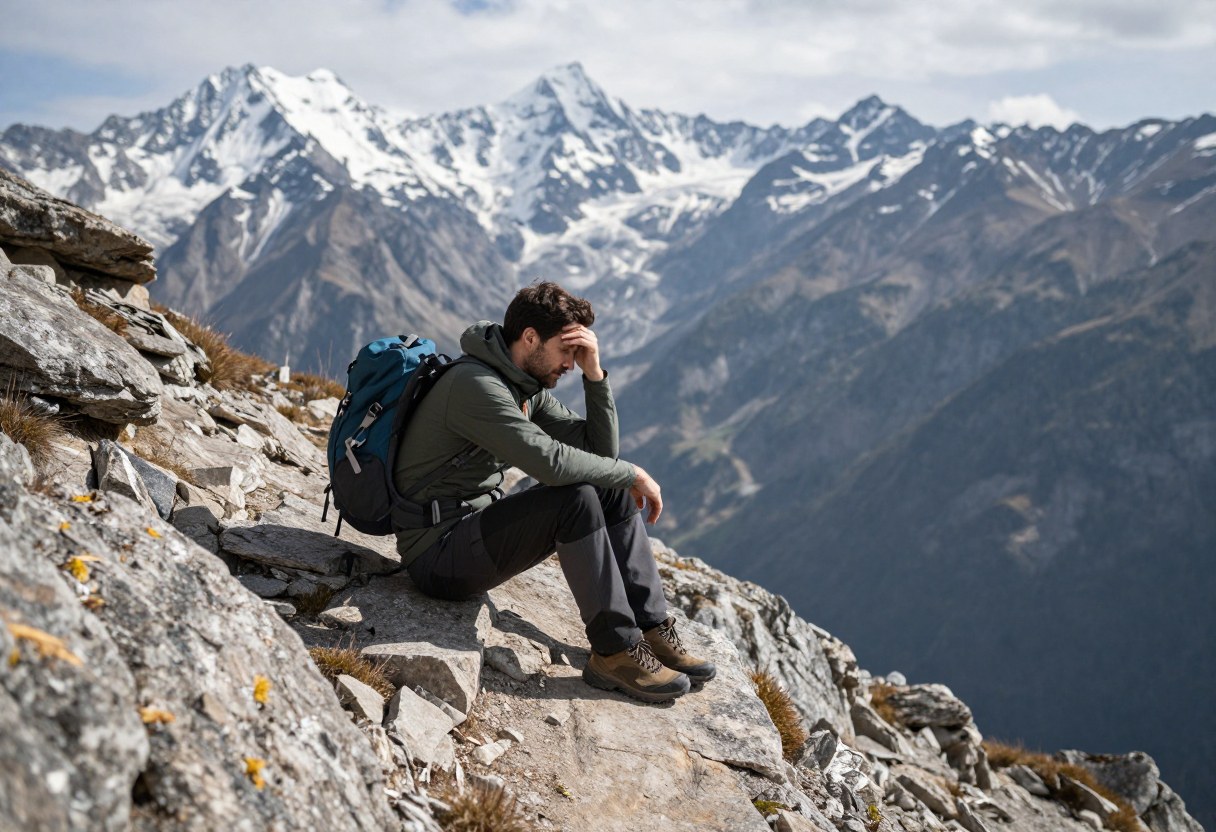
1. What's Actually Happening in Your Body
- Air pressure drops as elevation increases, meaning each breath delivers less oxygen even though the percentage of oxygen in the air is the same. Your body responds by breathing faster and your heart working harder to compensate.
- Full acclimatization takes days, not hours — your body gradually produces more red blood cells and adjusts its breathing patterns, but this happens on a timeline of days, not the single afternoon most hikers spend ascending to a high camp or summit.
- AMS symptoms typically appear within 6 to 24 hours of reaching a new elevation, which is why the classic mistake is feeling fine at the trailhead or on the drive up, then developing symptoms that evening or the next morning.
2. Recognizing Mild AMS Early
- Headache is usually the first and most reliable symptom — a headache that develops after ascending, especially one that doesn't respond well to typical pain relief, should be taken as a real signal, not dismissed as dehydration or fatigue.
- Nausea, loss of appetite, dizziness, and unusually poor sleep commonly accompany the headache. Individually mild, but together they form a recognizable pattern worth acting on rather than pushing through.
- Mild AMS is uncomfortable but not dangerous on its own — the mistake isn't getting mild AMS, which is common and manageable; it's continuing to ascend anyway once you recognize it.
Don't Skip This: "Climb high, sleep low" is the single most useful acclimatization principle in mountain travel — if you're already showing mild AMS symptoms, the correct move is to stop ascending or even descend somewhat for the night, not to push on toward a higher camp or summit hoping it resolves itself.
3. When Symptoms Become Serious
- Confusion, loss of coordination (an unsteady, drunk-like walk), or a persistent cough are signs of possible High Altitude Cerebral Edema (HACE) or High Altitude Pulmonary Edema (HAPE) — serious, potentially fatal conditions that require immediate descent, not rest at the same elevation.
- Shortness of breath at rest (not just during exertion) is a specific warning sign of HAPE and should never be ignored or attributed to "just being out of shape."
- The only reliable treatment for worsening or severe symptoms is descending to a lower elevation — medication can help manage mild symptoms, but it doesn't substitute for descent once symptoms are serious, and delaying descent is the most common factor in altitude-related deaths.
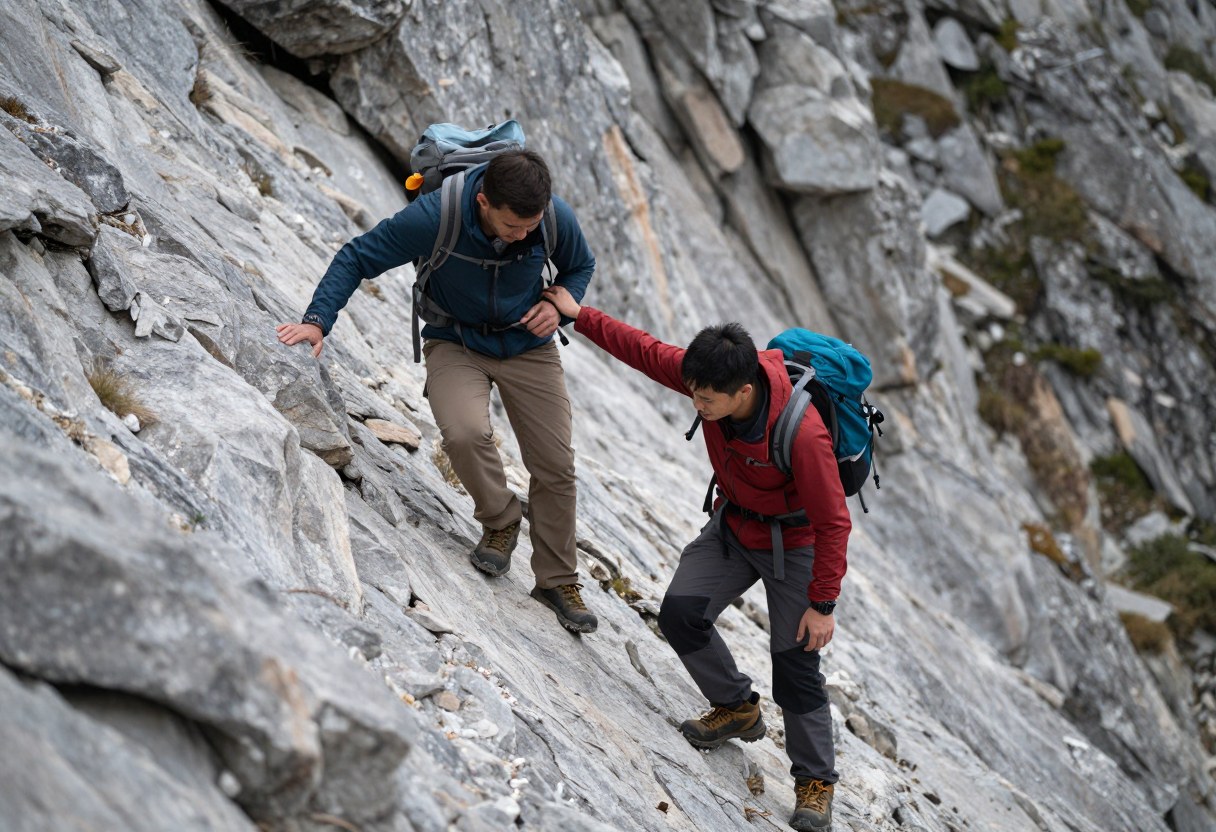
4. Prevention: Pacing Your Ascent
- Ascend gradually where the itinerary allows it — as a general guideline, once above 8,000 to 10,000 feet, limiting net sleeping-elevation gain to around 1,000 feet per day reduces AMS risk substantially, with an extra acclimatization day roughly every 3,000 feet of gain.
- "Climb high, sleep low" — if a day's route takes you higher than where you'll camp, that's actually beneficial for acclimatization, since your body adjusts based on sleeping elevation more than peak daytime elevation.
- If you're flying or driving directly to a high-elevation trailhead, consider spending a day or two at a moderate elevation before starting a hike that goes significantly higher, rather than going straight from sea level to altitude and immediately climbing further.
5. Prevention: Hydration, Pace, and Alcohol
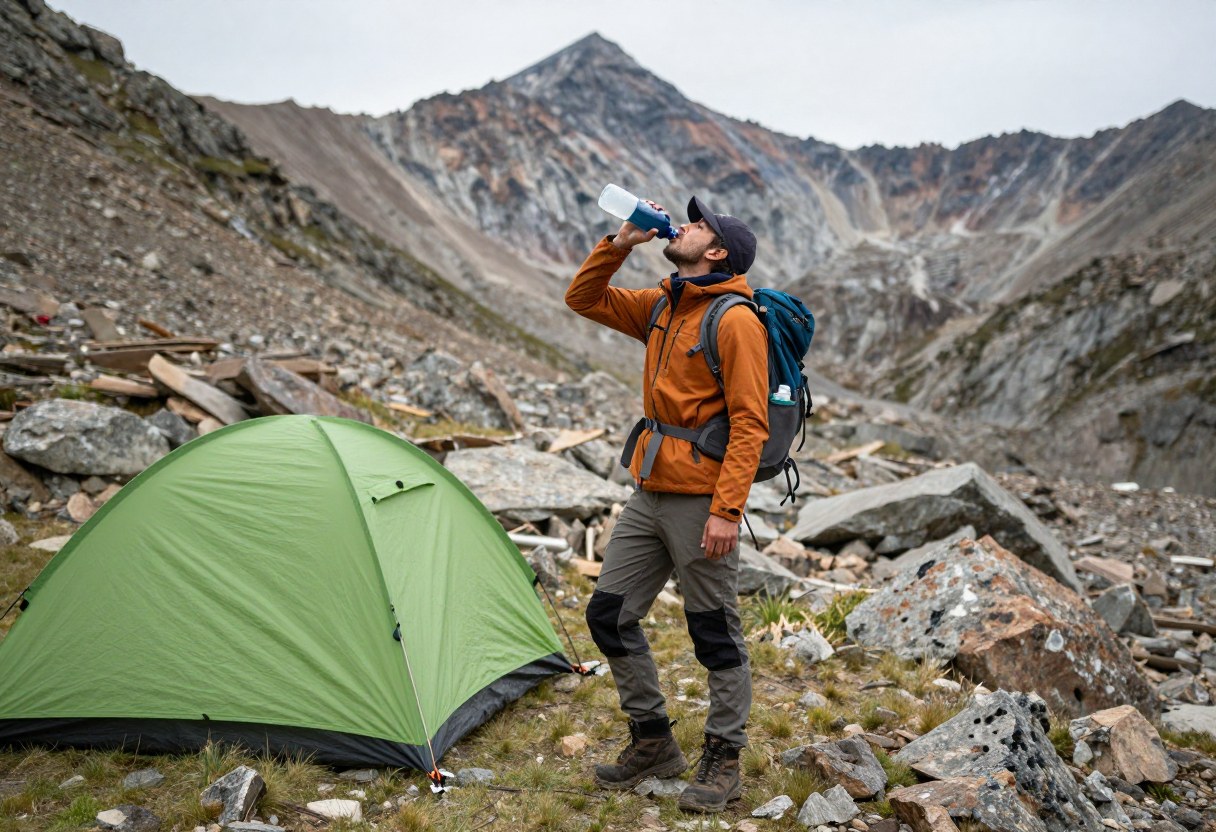
- Drink more water than usual — altitude increases fluid loss through faster breathing and increased urination, and dehydration compounds AMS symptoms even though it's not the root cause.
- Avoid alcohol and go easy on sedatives during the first days at a new elevation — both can worsen AMS symptoms and mask early warning signs you'd otherwise notice.
- Pace your exertion, especially on the first day or two at a new elevation — pushing hard physically while still unacclimatized amplifies symptoms; a slower, steadier pace genuinely helps.
6. Medication and When to Consider It
- Acetazolamide (Diamox) is a prescription medication commonly used to speed acclimatization for trips with a fast or unavoidable elevation gain — discuss it with a doctor before a high-altitude trip if your itinerary doesn't allow for gradual ascent.
- Over-the-counter pain relievers can help manage a mild AMS headache, but treating the symptom isn't the same as acclimatizing, and shouldn't be used as justification to keep ascending.
- Medication is a supplement to good pacing, not a replacement for it — the hikers who get into real trouble are usually the ones who used medication to push through symptoms and kept climbing rather than slowing down or descending.
Quick Decision Checklist
- I've built in acclimatization time before going significantly above 8,000 feet, especially if arriving by car or plane
- I know the early symptoms of AMS (headache, nausea, dizziness, poor sleep) and will stop ascending if they appear
- I know the serious warning signs (confusion, unsteady walking, breathlessness at rest) that mean immediate descent, not rest in place
- I'm planning to drink more water than I would at low elevation
- I've discussed altitude medication with a doctor if my itinerary requires a fast ascent
Glossary
- Acute Mountain Sickness (AMS): The common, usually mild form of altitude sickness, caused by ascending faster than the body can acclimatize.
- HACE / HAPE: High Altitude Cerebral Edema and High Altitude Pulmonary Edema — rare but serious and potentially fatal complications of altitude sickness, both requiring immediate descent.
- Acclimatization: The physiological process by which the body adjusts to lower oxygen availability at elevation, occurring over days rather than hours.
Final Takeaway
Altitude sickness is caused by ascent speed, not fitness — the fix is pacing your ascent, watching for early symptoms like headache and nausea, and being genuinely willing to stop or descend rather than pushing on toward a summit or higher camp once symptoms appear. The hikers who get seriously hurt by altitude are almost always the ones who kept climbing after they already knew something was wrong.
Individual susceptibility to altitude sickness varies significantly and isn't predictable from fitness or past experience — anyone traveling to significant elevation should learn these symptoms regardless of their outdoor experience level.